English
 Arabic
 French
 Spanish
 Portuguese
 Deutsch
 Turkish
 Dutch
Dutch
 Italiano
 Russian
 Romaian
 Portuguese (Brazil)
 Greek
Greek
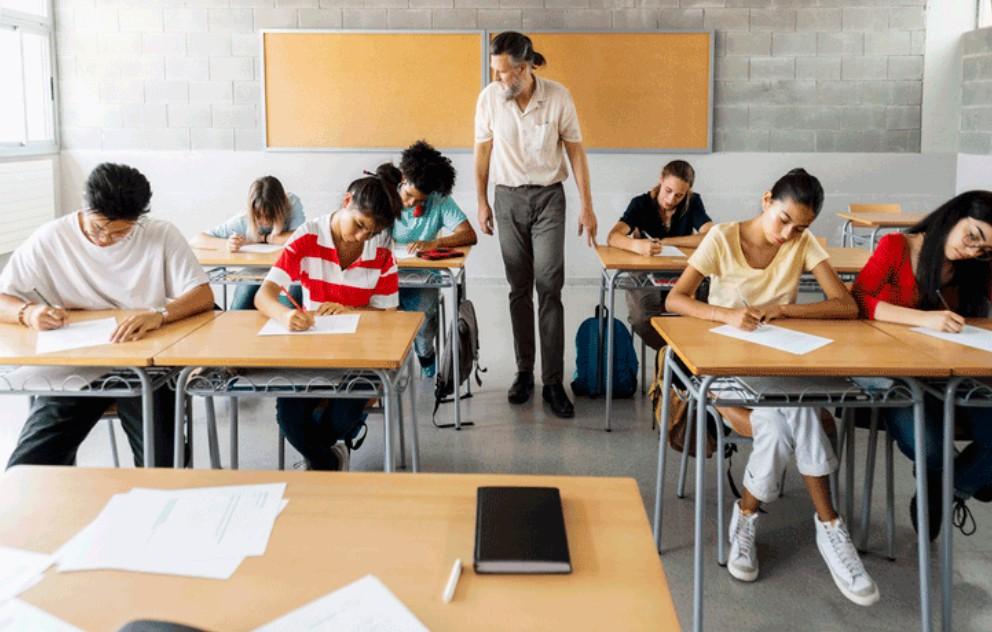
Sensory overload in the classroom is an increasingly common challenge, particularly in inclusive learning environments where pupils may have diverse sensory needs. Bright lights, noise, crowded spaces, and constant transitions can overwhelm some students, leading to distress, withdrawal, or escalated behaviour. Teachers are often the first to notice these signs and must respond quickly and calmly to prevent situations from worsening. Effective de-escalation techniques help restore emotional regulation, protect learning time, and maintain a safe environment for everyone involved. Understanding and applying these strategies is essential for educators and support staff working in high-pressure educational settings.
Understanding Sensory Overload and Its Triggers
Sensory overload occurs when a child’s nervous system becomes overwhelmed by sensory input such as sound, light, touch, or movement. In a busy classroom, triggers might include loud group work, scraping chairs, fluorescent lighting, or even strong smells. For some pupils, particularly those with additional needs, these stimuli can become unbearable within minutes.
When sensory overload occurs, the brain shifts into a stress response, making it difficult for the child to communicate, follow instructions, or regulate emotions. Teachers who understand this process are better equipped to respond with empathy rather than discipline. Recognising early warning signs such as covering ears, rocking, irritability, or withdrawal allows staff to intervene before behaviour escalates. Awareness is the foundation of effective de-escalation.
Staying Calm and Regulating Your Own Response
One of the most important de-escalation techniques is the teacher’s ability to remain calm. Children experiencing sensory overload are highly sensitive to tone of voice, body language, and facial expressions. A raised voice or visible frustration can intensify the situation rather than resolve it.
Using a calm, low, and steady voice helps signal safety and control. Slow movements and relaxed posture reduce perceived threat and help the child begin to self-regulate. Teachers should avoid sudden demands or rapid instructions, which can add to the sensory burden. By modelling calm behaviour, educators create a stabilising presence that encourages the child to regain control without feeling judged or punished.
Reducing Sensory Input Immediately
When overload is suspected, reducing sensory input is a highly effective de-escalation step. This might involve dimming lights, closing doors to block noise, or moving the child to a quieter area of the room. Even small adjustments can make a significant difference in how quickly a child recovers.
Allowing access to sensory tools such as noise-reducing headphones, fidget items, or weighted cushions can also help. These tools provide grounding input that supports regulation. Teachers should be familiar with which strategies work best for individual pupils and apply them proactively. This approach demonstrates understanding and prevents escalation from becoming a disciplinary issue.
Using Clear, Minimal, and Reassuring Communication
During sensory overload, processing language becomes difficult. Teachers should use short, simple sentences and avoid asking open-ended questions that require complex responses. Clear reassurance such as “You’re safe” or “Take your time” can be far more effective than explanations or instructions.
Visual cues, gestures, or pre-agreed signals may be easier for the child to process than spoken language. Giving the child time to respond is essential, as pressure to comply quickly can increase distress. Communication during de-escalation should focus on reassurance and support, not correction. This technique is widely applicable across educational roles, including those supported by training like the Invigilator Course, where calm communication is critical in controlled environments.
Offering Controlled Choices to Restore a Sense of Control
Sensory overload often creates a feeling of helplessness. Offering simple, controlled choices helps restore a sense of agency without overwhelming the child. For example, asking whether they would prefer to sit quietly at their desk or step outside briefly can empower them to participate in calming their own response.
Choices should be limited to two options and presented neutrally. This avoids power struggles while still maintaining boundaries. Restoring control reduces anxiety and helps the child transition back to learning when ready. Teachers trained in de-escalation understand that choice is a powerful tool for calming heightened emotional states.
Creating Safe Spaces and Exit Strategies
A designated calm area within the classroom or nearby space provides a predictable retreat for pupils experiencing overload. Knowing there is a safe place to go can prevent escalation altogether. These spaces should be free from excessive sensory stimulation and equipped with calming resources.
Equally important are clear exit strategies agreed in advance. Children should know how and when they can access these spaces without feeling they are “in trouble.” Staff consistency is key. Roles that require maintaining calm and order, such as exam supervision, also benefit from these principles, which is why structured preparation like the invigilator course emphasises controlled responses and environmental awareness.
Supporting Recovery After De-Escalation
Once the immediate overload has passed, support should continue. Rushing a child back into tasks can trigger another episode. Allowing gradual reintegration into learning shows respect for emotional recovery and builds trust.
Later, when the child is calm, gentle reflection can help identify triggers and preferred coping strategies. This information is valuable for preventing future incidents. Teachers should document patterns and share strategies with colleagues to ensure consistency. Recovery is as important as de-escalation itself and contributes to long-term emotional resilience.
Why De-Escalation Skills Matter Across Educational Roles
De-escalation is not only relevant to classroom teachers. Teaching assistants, invigilators, and support staff all encounter situations where calm intervention is required. Exams, assessments, and structured learning environments can be particularly stressful for sensory-sensitive pupils.
Training programmes such as the Invigilator Course help staff understand behaviour, maintain calm under pressure, and respond appropriately without escalating situations. These skills support safety, fairness, and emotional wellbeing across the entire educational setting. When staff are confident in de-escalation techniques, the learning environment becomes more inclusive and supportive for everyone.
Final Thoughts on De-Escalation and Sensory Overload
Dealing with sensory overload requires patience, awareness, and skill. Effective de-escalation techniques focus on reducing input, maintaining calm communication, and supporting emotional regulation rather than enforcing control. When teachers respond with empathy and consistency, pupils feel understood rather than disciplined.
As classrooms become increasingly diverse, these skills are no longer optional. They are essential tools for creating safe, inclusive, and productive learning environments. With the right training and mindset, educators and support staff can manage sensory overload confidently and compassionately, ensuring that every child has the opportunity to succeed.