English
 Arabic
 French
 Spanish
 Portuguese
 Deutsch
 Turkish
 Dutch
Dutch
 Italiano
 Russian
 Romaian
 Portuguese (Brazil)
 Greek
Greek
Introduction
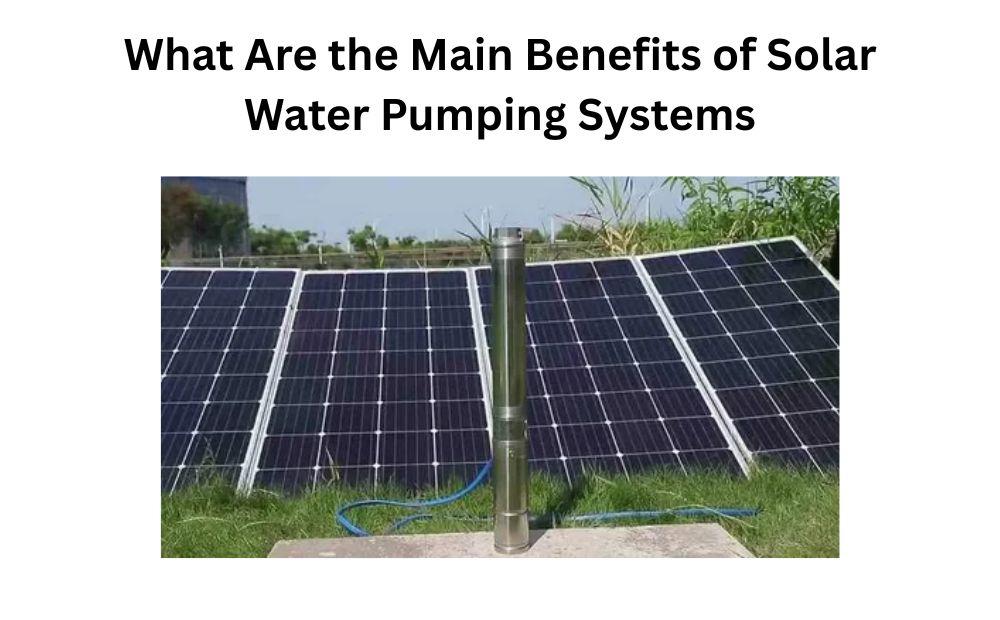
Water is one of the most important needs for life. Farmers need water for crops, families need water for daily use, and communities need water for clean living. In many places, getting regular water supply is still a challenge. Electricity may not be available, fuel costs may be high, or power cuts may be common. This is where Solar Water Pumping Systems become a very useful solution.
Solar water pumping systems use energy from the sun to pump water from underground sources, rivers, lakes, or storage tanks. These systems work without fuel and need very little maintenance. Because sunlight is free and available in most regions, solar pumping is becoming popular in villages, farms, remote areas, and even cities.
In this blog, we will explain everything about solar water pumping systems in very simple language. You will learn how they work, their parts, types, benefits, uses, costs, installation steps, maintenance tips, and why they are a smart choice for the future.
Note:- Solar Water Pumping Systems are a smart and cost-effective way to pump water using energy from the sun. These systems are ideal for farms, villages, and remote areas where electricity is limited or expensive. They help provide a steady water supply for irrigation, livestock, and daily use while reducing power bills and maintenance costs.
What Is a Solar Water Pumping System?

A solar water pumping system is a setup that uses solar power to run a water pump. Instead of using electricity from the grid or diesel fuel, it uses energy from the sun.
The system collects sunlight using solar panels. This sunlight is converted into electricity, which runs a pump. The pump then pulls water from a water source and sends it to where it is needed, such as fields, tanks, homes, or animal shelters.
These systems are mainly used in areas where electricity is costly, unreliable, or not available at all. They are also used by people who want to reduce power bills and use clean energy.
How Solar Water Pumping Systems Work
Understanding how solar water pumping systems work is very simple. The whole process happens in a few easy steps.
First, solar panels are placed in an open area where they receive maximum sunlight. These panels capture sunlight during the day. The sunlight energy is then converted into electrical power.
Next, this electrical power is sent to a controller or inverter. The controller manages the power and protects the pump from damage due to high or low voltage.
Then, the power reaches the water pump. The pump starts running and pulls water from the source, such as a borewell, open well, river, or pond.
Finally, the water is delivered to a storage tank or directly to the irrigation system or building. The pump usually works best during daytime when sunlight is strong.
Main Components of Solar Water Pumping Systems
A solar water pumping system has a few main parts. Each part has an important role.
Solar Panels
Solar panels are the heart of the system. They collect sunlight and turn it into electricity. The number of panels depends on how much water you need and how deep the water source is.
Panels are usually made of strong glass and can last for many years. They need to be cleaned from time to time to work properly.
Water Pump
The pump is the device that moves water from one place to another. There are different types of pumps used in solar systems, depending on water depth and flow needs.
Some pumps are placed underwater, while others are placed above ground.
Controller or Inverter
The controller manages the power coming from the solar panels. It ensures the pump gets the right amount of power and protects it from damage.
In some systems, an inverter is used to convert power into a suitable form for the pump.
Mounting Structure
The mounting structure holds the solar panels in place. It is usually made of metal and is fixed firmly to face the sun for maximum energy collection.
Pipes and Cables
Pipes carry water from the pump to the storage area or field. Cables carry electricity from the solar panels to the controller and pump.
Types of Solar Water Pumps
There are different types of solar water pumps, each suitable for specific needs.
Submersible Solar Pumps
Submersible pumps are placed inside the water source, such as deep borewells. These pumps push water up to the surface.
They are ideal for deep water levels and are commonly used for farming and community water supply.
Surface Solar Pumps
Surface pumps are placed above ground and are used to pull water from shallow sources like ponds, rivers, or open wells.
These pumps are easy to install and are mostly used for irrigation and water transfer.
DC Solar Pumps
DC pumps run directly on power from solar panels. They are simple and efficient, especially for small to medium water needs.
AC Solar Pumps
AC pumps use an inverter to convert solar power. They are useful when higher power is needed or when the pump must also run on grid power.
Uses of Solar Water Pumping Systems
Solar water pumping systems are used in many areas because they are reliable and cost-effective.
Agricultural Use
Farmers use solar pumps to irrigate crops. These systems help water fields without worrying about power cuts or fuel costs.
They are very helpful in remote farming areas where electricity is not available.
Drinking Water Supply
Many villages and communities use solar pumping systems to supply clean drinking water. The system can pump water to overhead tanks for daily use.
Livestock Watering
Animals need a regular water supply. Solar pumps can provide water for cattle, goats, sheep, and poultry in farms.
Residential Use
Homes in rural or off-grid areas use solar pumps for household water needs like bathing, washing, and cleaning.
Industrial and Commercial Use
Some industries use solar pumping systems for water transfer, cooling, or cleaning purposes, especially where water is needed during the day.
Benefits of Solar Water Pumping Systems
Solar water pumping systems offer many advantages over traditional pumping methods.
No Electricity Bills
Since the system uses solar power, there are no monthly electricity bills. This helps save money in the long run.
Low Operating Cost
After installation, the system needs very little money to operate. There is no fuel cost and very low maintenance cost.
Works in Remote Areas
Solar pumps work well in places where there is no grid electricity. This makes them perfect for villages and farms.
Environment Friendly
Solar energy is clean and does not produce pollution. Using solar pumps helps protect the environment.
Long Life
Most solar pumping systems are designed to last many years. Solar panels can work for 20 to 25 years with proper care.
Easy Maintenance
These systems have fewer moving parts, which means less chance of breakdowns. Basic cleaning and checking are enough.
Cost of Solar Water Pumping Systems
The cost of a solar water pumping system depends on several factors.
The size of the system, type of pump, depth of water source, and number of solar panels all affect the price.
Small systems for homes or small farms cost less. Larger systems for deep wells or large farms cost more.
Although the initial cost may seem high, the system pays for itself over time because there are no electricity or fuel expenses.
In many regions, government subsidies and support programs are also available, which reduce the total cost.
Installation Process of Solar Water Pumping Systems
Installing a solar water pumping system involves a few simple steps.
First, the water source is checked to know the depth and water level. This helps choose the right pump.
Next, the location for solar panels is selected. It should be open and receive sunlight throughout the day.
Then, the solar panels are mounted on a strong structure and connected to the controller.
After that, the pump is installed in the water source and connected with pipes and cables.
Finally, the system is tested to ensure proper water flow and performance.
Professional installation is recommended to ensure safety and long-term performance.
Maintenance Tips for Solar Water Pumping Systems
Solar water pumping systems need very little maintenance, but basic care is important.
Solar panels should be cleaned regularly to remove dust and dirt. Clean panels produce more power.
Pipes and cables should be checked once in a while for damage or leaks.
The pump should be inspected yearly to ensure smooth operation.
Keeping the area around panels clean and free from shade helps improve system performance.
Solar Water Pumping Systems vs. Traditional Pumps
Traditional pumps usually run on electricity or diesel. These options have high running costs and depend on fuel or power supply.
Solar water pumping systems, on the other hand, use free energy from the sun. They are more reliable in areas with frequent power cuts.
Traditional pumps cause pollution, while solar pumps are clean and safe for the environment.
Over time, solar systems are more cost-effective and sustainable.
Why Solar Water Pumping Systems Are the Future
As energy costs rise and water needs increase, solar water pumping systems offer a smart solution.
They support farming, improve water access, and reduce dependence on fossil fuels.
With growing awareness and government support, more people are choosing solar pumping systems.
They help save money, protect nature, and provide reliable water supply for years.
Conclusion
Solar water pumping systems are a simple, clean, and smart way to meet water needs. They work using sunlight, require low maintenance, and help reduce costs.
Whether for farming, homes, villages, or businesses, these systems provide a reliable solution for water supply.
By choosing solar water pumping systems, people invest in a better future with clean energy and stable water access.
For more insightful articles related to this topic, feel free to visit myqif.com