English
 Arabic
 French
 Spanish
 Portuguese
 Deutsch
 Turkish
 Dutch
Dutch
 Italiano
 Russian
 Romaian
 Portuguese (Brazil)
 Greek
Greek
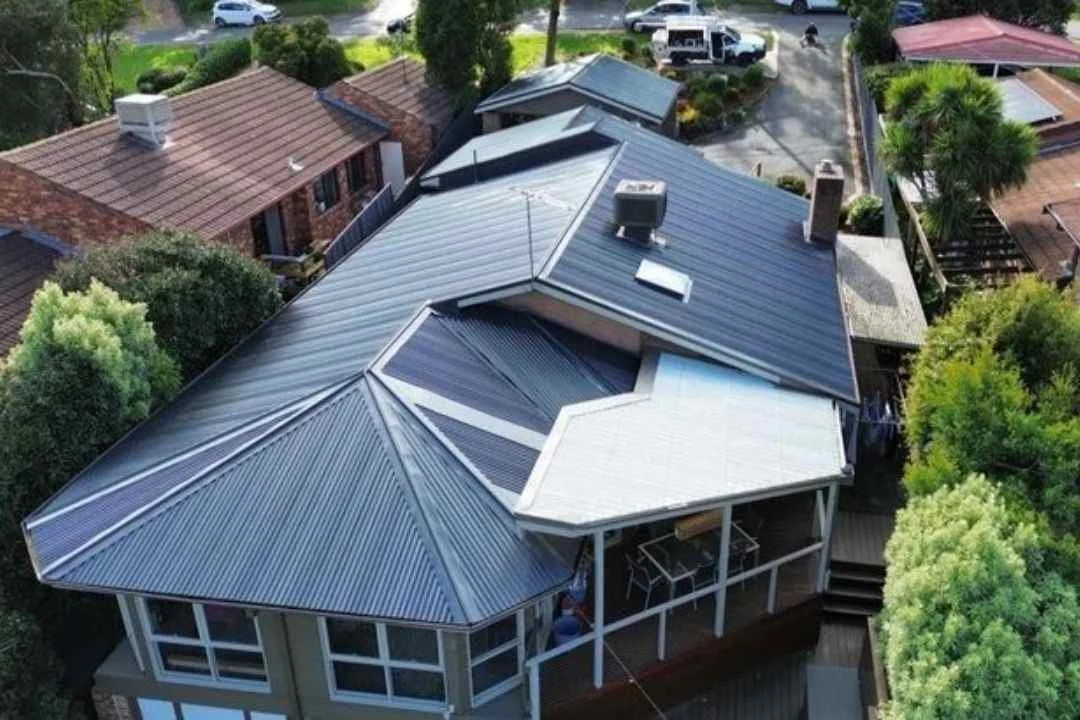
When was the last time you actually looked at your roof? Not just glanced up while mowing the lawn. Really looked. Checked the flashing around the chimney. Had a proper squiz at the valley gutters. Looked for bits of broken tile or lifted tin.
If you are like most people, probably never.
Here is the thing about roof plumbing. It is out of sight, out of mind. Up there doing its job. Taking all the rain Geelong throws at it. You do not think about it until something goes wrong.
But here is the kicker. By the time you notice a problem, water has often been getting in for weeks or months. Running down inside your walls. Soaking into your insulation. Dripping onto your ceiling battens. Rotting timber you cannot see.
I have seen it happen too many times around here. A mate in Newtown had a small leak in his valley gutter for over a year. Did not know a thing. Then one day his daughter's bedroom ceiling sagged and dropped water everywhere. Cost him thousands to fix. All because a bit of cracked sealant went unnoticed.
So let us walk through how you spot this stuff before it becomes a disaster. Simple things you can look for yourself. And when to give a call to the roof plumbers geelong.
The Warning Signs Hiding in Plain Sight
Water damage is sneaky. It does not always show up as a dripping ceiling. Sometimes it whispers before it screams.
Here is what to watch for.
Musty smells that will not go away. Walk into a room and catch a damp earthy smell? That is not just "old house smell". That is moisture hiding somewhere. Could be in the walls. Could be in the ceiling cavity. Your nose knows before your eyes do.
Stains on ceilings or walls. Yellow or brown patches. Not paint. Not dirt. Stains. They start small sometimes, then grow over time. If you see one, water has been there. Trace it back. Find out where it came from.
Bubbles in the paint or peeling wallpaper. Moisture pushes from behind. Lifts the paint right off. When you notice any bubbles or wrinkles in your paint, there is something back of that wall which is wet.
Cool walls or ceilings. Touch the parts of the same wall. Where one place is particularly colder there is wet plaster or damp insulation behind.
Flooring acting weird. Timber floors cupping. Vinyl planks separating at the seams. Tiles feeling loose. Water does not just stay up top. It runs down. Soaks into subfloors. Makes itself at home where you cannot see it.
Mold popping up. Little black spots in corners. Along skirting boards. Inside wardrobes. Mold needs moisture to grow. When you have mold, you have some leaking somewhere.
Higher humidity in one room. Does the bathroom have a clammy feel to it even when nobody has showered? Is the extra room stuffy and wet? That is trapped moisture. Probably from a leak.
Where Roof Leaks Usually Start
Roof plumbing fails in predictable places. Check these first.
Valley gutters. Where two roof slopes meet. Water funnels down there. Leaves build up. Rust starts. Sealant cracks. This is the number one spot for hidden leaks.
Flashing. Around chimneys, skylights, vent pipes. The metal bits that seal the gaps. They lift over time. They rust through. Water runs behind them and straight into your ceiling cavity.
Broken or lifted tiles. One cracked tile can let in buckets of water. Especially in a good Geelong downpour. Wind drives it sideways. Gets under the tile. Drips onto your ceiling batten. Runs along the timber until it finds a way down.
Box gutters. Those hidden gutters behind parapet walls. They clog. They rust. They overflow into the building. Absolute menace when they fail.
Roof screws and fasteners. The rubber washers of the screws become hard and brittle in ten years on a metal roof. They crack. Water moves through the screw thread entirely through a roof sheet.
What You Miss When You Are Not There.
Here is the scary part.
As the water drips somewhere you cannot see it, it is doing it.
Soaking into timber framing. Making it soft. Making it rot. Weakening the structure of your roof.
It gets into your insulation. Wet insulation does not insulate. Your power bills go up and you do not know why.
It runs down inside walls. Finds your electrical wiring. Creates short circuits and fire risks you never see coming.
It sits in ceiling cavities. Perfect breeding ground for mold. Mold spores get into your air. Into your lungs. Cause health problems you blame on hay fever or winter colds.
All from a cracked tile or a bit of failed sealant.
How to Check Without Getting on the Roof
You do not need to climb up there. Stay safe. Do this from inside and from the ground.
After heavy rain, go into your roof cavity if you have access. Take a torch. Look for daylight coming through. Look for wet spots on timbers. Look for mould. Look for water stains on the underside of the roof sheeting.
Check your ceiling insulation. Is it wet in patches? Squeeze it. If it feels damp, water is getting in.
From outside, use binoculars. Walk around your house and look at your roof. Missing tiles? Lifted tin? Cracks around flashing? Debris in gutters? All things that lead to leaks.
Check your gutters while you are at it. Blocked gutters overflow. Water runs back under your roof edges. Causes rot in your eaves and fascia.
What to Do If You Suspect a Leak
Do not ignore it. That is the worst thing you can do.
If you can see where water is coming in from inside, put a bucket under it. Catch the drips. Protect your floors.
If you cannot see it but you smell damp or see stains, you need help. This is where a good roof plumber geelong trust comes in. They have tools you do not. Moisture meters that detect water behind walls. Thermal cameras that show cold wet spots. Experience finding leaks that hide.
They will trace the leak back to its source. Might be on the roof. Might be in the gutter. Might be a pipe in the wall. They find it. Then they fix it properly. Not just patch it. Fix it.
Why You Do Not Want to Wait
Every day you wait, the damage gets worse.
What could be a simple repair today becomes a major restoration job next month. Timber rot spreads. Mold takes hold. Ceilings sag. Plaster crumbles.
Insurance might cover sudden damage. But if they decide the leak was gradual, caused by lack of maintenance, they can say no. You pay for everything yourself.
Better to spend a few hundred bucks now having someone look than thousands later ripping out walls and replacing roof timbers.
FAQs
1. How do I know if a stain on my ceiling is old or active?
Touch it. If it feels dry and does not change, might be old. When it is wet or mushy then water is getting in. Old stains sometimes reactivate in case of high humidity. In case of doubt, check with a sparky or plumber who has a meter of moisture.
2. May I seal the hole up myself on the inside?
Sealant on the inside stops the drip but does not fix the problem. Water still gets into your roof structure. Rot continues. Mold grows. You must repair the outside where the water is seeping in.
3. What is the price of roof leak inspection in Geelong?
A majority of the plumbers charge a call out fee. Maybe $100 to $200. Some will credit that towards repairs if you go ahead. Worth every cent for peace of mind.
4. My water bill went up. Could that be a roof leak?
Unlikely. Roof leaks drain outside usually, not into your plumbing. If your bill is high, check toilets and taps first. But if you have both a high bill and roof leak signs, get both checked.
5. Do I need a roof plumber geelong or a roofer for roof leaks?
Depends what is leaking. If it is roof tiles or sheeting, a roofer. If it is flashing, valley gutters, or anything involving the plumbing system, you need a plumber. Many local plumbers Geelong residents recommend do both roof plumbing and general plumbing . Ask when you call.
6. How long do roof flashings last?
Depends on material and installation. Lead flashing can last fifty years. But sealants around flashing? Five to ten years max. Then they crack and leak. Get them checked.
7. What is the best way to prevent roof leaks?
Clean your gutters twice a year. Check your roof after storms. Replace broken tiles when you see them. Get a professional inspection every few years. A small cost now saves big money later.
8. Can I claim roof leak repairs on insurance?
Depends on your policy and the cause. Sudden damage from a storm? Often covered. Gradual deterioration because the roof was old? Usually not covered. Read your policy. Ask your insurer before you need them.
9. How do I find a good plumber in Geelong for roof leaks?
Ask neighbours. Look for local businesses with good reviews. Check if they list roof plumbing as a service. Call and ask if they do leak detection. A good one will be happy to explain what they do.
10. What happens if I ignore a small leak?
Timber rots. Mold grows. Stains spread. Ceilings collapse. Repair costs multiply. A $200 fix becomes a $5,000 restoration. Do not ignore it.
The Bottom Line
Here is the simple truth.
Your roof is the only thing between your family and the weather. When it leaks, even a little, everything underneath is at risk.
You cannot see what is happening up there. But you can see the signs. Musty smells. Stains. Bubbling paint. Cold spots. Mold.
If you notice any of these, do not shrug it off. Do not wait until next year. Get it checked.
A local plumber Geelong homeowners have used before will come out. Have a look. Tell you what is going on. Fix it if needed. Give you peace of mind.
That peace of mind is worth more than the callout fee. Way more than the cost of replacing rotted roof timbers or gutting a moldy bedroom.
Go have a look at your ceilings today. If something seems off, make the call. You will sleep better knowing your roof is sound.