English
 Arabic
 French
 Spanish
 Portuguese
 Deutsch
 Turkish
 Dutch
Dutch
 Italiano
 Russian
 Romaian
 Portuguese (Brazil)
 Greek
Greek

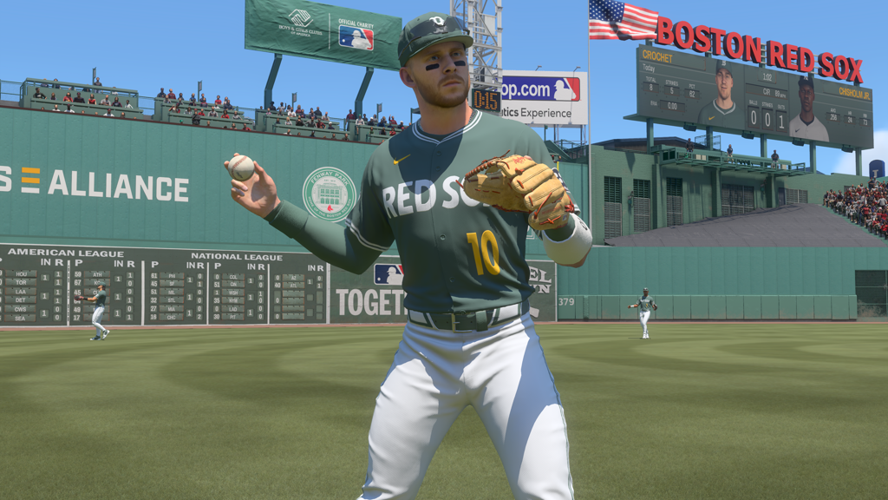
In MLB The Show 26, holding a lead late in the game can often feel like a nerve-wracking challenge. Whether you're up by one run or more, the pressure mounts with every pitch, and mistakes can cost you the game. In this guide, I’ll break down how to approach these tense moments to give yourself the best chance of closing out the game with a win.
How Do I Approach the Late Game in MLB The Show 26?
When you’re in the late innings of a game, especially if you’re leading, it’s important to adjust your mindset. You’re no longer just trying to score more runs, you’re trying to preserve what you’ve built. Here are some key points to remember:
-
Focus on Pitching Control: In the late game, it's all about staying calm and hitting your spots. Try not to get caught up in the moment and overcompensate. Even if you’re ahead, one bad pitch can change everything. Keep a steady focus, and don’t get too aggressive—throwing strikes is still the priority, but make sure they’re quality pitches. Avoid getting too much of the plate.
-
Know Your Bullpen: MLB The Show 26 does a great job of simulating the dynamics of a real MLB game. If your bullpen is weak, it’s important to be strategic about when to bring in pitchers. Some pitchers have better velocity, while others have movement that can keep hitters off-balance. Know who you can rely on in pressure situations and use them strategically. A lefty-on-lefty or righty-on-righty matchup can often make a big difference in tight situations.
-
Use Pitchers’ Strengths: This is something that’s easy to overlook, but it’s crucial. Each pitcher in the game has unique strengths and weaknesses. If you have a closer or middle reliever who specializes in getting ground balls, you might want to bring them in when facing a heavy-contact lineup. Conversely, a pitcher with a high strikeout rate can help you avoid giving up too much contact when you really need a punchout.
-
Don’t Overwork Your Starters: If you’re in a late-game situation and your starter is still pitching, be aware of their stamina. By the time you hit the 6th or 7th inning, your starter might be tiring. The last thing you want is to leave a tired pitcher on the mound too long, only for them to serve up a big hit. Consider making the switch earlier rather than waiting for them to lose control.
How Should I Use My Bullpen?
The bullpen is often the difference-maker in late-game situations. But it’s easy to get caught up in choosing the right guy for the job. Here’s how to make those choices easier:
-
Know Your Matchups: You should always bring in a pitcher that matches the situation. If you’re facing a left-handed batter in a crucial spot, it’s smart to bring in a lefty. Likewise, right-handed pitchers should be used against right-handed batters, if possible. Look at the splits of the opposing hitters and use that information to your advantage.
-
Don’t Overuse Your Closers: You might be tempted to use your closer in every tight game situation, but be mindful of their stamina and the potential for burnout. If your closer pitches too much, they’ll lose effectiveness, and when that happens, you could lose a lead. Use your setup men to bridge the gap in the 7th or 8th inning to save your closer for the final inning, but don’t hesitate to use them if you’re in a jam.
-
Mix It Up: A common mistake is to rely too heavily on one pitch type in a late-game scenario. If you’ve been throwing fastballs all night, mix it up by throwing off-speed pitches or breaking balls. The element of surprise is huge in MLB The Show 26, and a batter who’s seen a lot of fastballs will have a harder time adjusting to a well-placed slider or curveball in a pressure moment.
-
Stay on Top of Warmups: Always have your relievers warmed up and ready. In MLB The Show 26, you can see which pitchers are getting loose in the bullpen, so don’t wait until the last moment to start warming up. If the situation calls for it, you should already have your bullpen ready to go. The quicker you can make that call, the better.
Should I Be More Cautious with My Batting?
Holding a lead late in the game isn’t just about pitching; it’s about managing the whole game. Here are some things to consider for your offense:
-
Be Patient at the Plate: You don’t need to be swinging for the fences in the 8th or 9th inning—especially if you’re ahead. If you can, work the count and look for good pitches to hit. If you’re getting walks, that’s fine—just don’t force it and end up chasing bad pitches. The fewer outs you give away, the more pressure you put on your opponent.
-
Sacrifice Bunts and Small Ball: Sometimes, the best way to protect a lead is to add to it without taking risks. A well-timed sacrifice bunt, or even a hit-and-run, can move runners into scoring position and prevent your opponent from focusing entirely on your power hitters. Play smart baseball rather than swinging for the fences every time.
-
Know When to Steal: If you're in a game where every run counts, base running can be a difference-maker. If you’re on base in the later innings, don’t hesitate to take a risk if the situation allows for it. If the pitcher is slow to the plate or if the catcher has a weak arm, stealing second could help ensure you’re in a better position to score without having to rely on a home run.
How Do I Manage Pressure Situations?
In MLB The Show 26, the game does an excellent job of creating tension, especially when it’s late in the game. The key is to stay calm and focus on making the best decisions.
-
Mental Focus: Just like in real baseball, mental focus is essential. In high-pressure situations, the best players are the ones who can block out the crowd noise, the score, and the stakes of the game. Focus on executing each pitch and each swing like it’s just another game. Don’t let the pressure make you overthink the situation.
-
Recognize When to Walk Hitters: Sometimes, taking the bat out of a hitter's hands can be a smart move. If you’re facing a dangerous hitter with a few men on base, consider intentionally walking them to set up a force-out situation. But be mindful—this can backfire if the next hitter is just as dangerous, so use this option strategically.
-
Know When to Challenge the Batter: If you're up against a batter who's already 0-for-3 on the night, you might have more room to challenge them with fastballs or a harder approach. But, if they're hitting well, don't be afraid to pitch around them or set them up for an off-speed pitch that breaks out of the zone.
Can I Use MLB 26 Stubs Safe Website for Roster Upgrades?
Yes, if you’re looking to improve your roster, especially your bullpen, you might want to check out the MLB 26 stubs safe website to buy new players, which can help solidify your team for late-game situations. Having a strong bullpen is essential for protecting leads, and adding quality pitchers through trades or purchases is a solid strategy to bolster your bullpen depth. Just be sure to use safe and trusted sources when making purchases, as it ensures that your transactions are secure and won’t affect your progress in the game.
Holding a lead late in MLB The Show 26 requires patience, strategy, and careful execution. Keep control over your pitching staff, make intelligent decisions at the plate, and don’t be afraid to use the right resources to enhance your team. Every pitch, every decision counts in these moments, so approach the late game with confidence, and you’ll be closing out those victories in no time.