English
 Arabic
 French
 Spanish
 Portuguese
 Deutsch
 Turkish
 Dutch
Dutch
 Italiano
 Russian
 Romaian
 Portuguese (Brazil)
 Greek
Greek
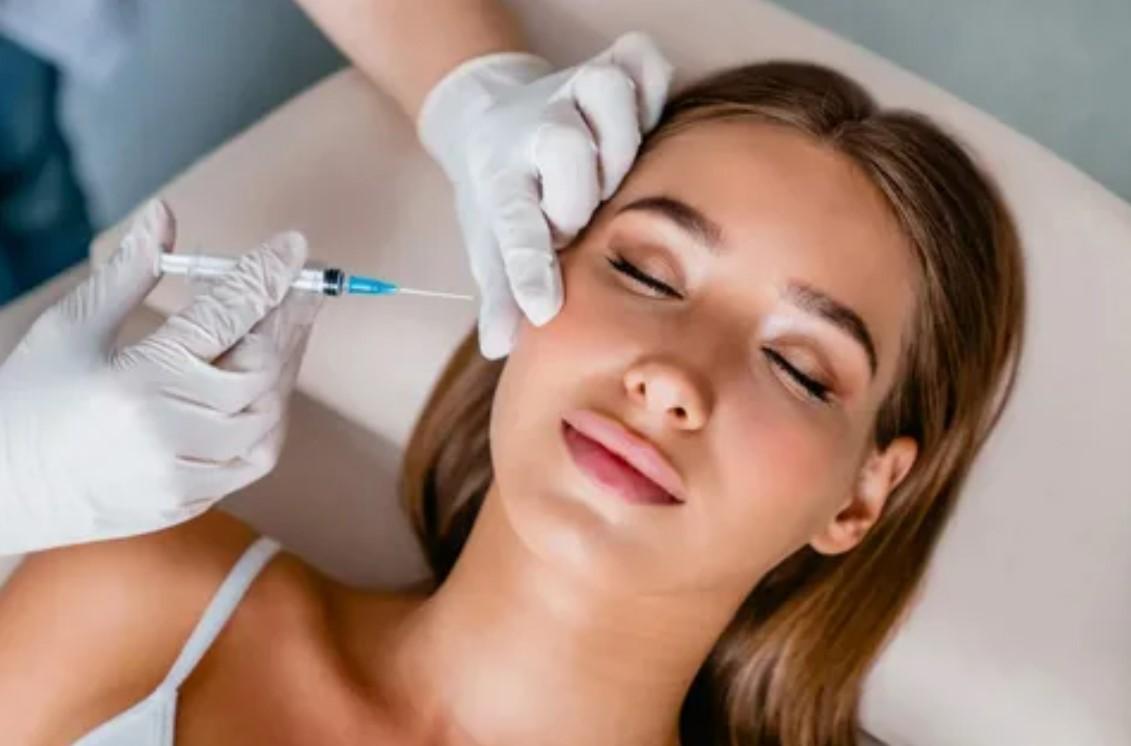
Botox, a purified form of botulinum toxin, is one of the most recognized names in cosmetic medicine today. While it is widely known for its ability to reduce wrinkles and create a more youthful appearance, its journey from a dangerous bacterial toxin to a cosmetic staple is both fascinating and complex. The history of Botox use in cosmetic treatments reflects the intersection of scientific discovery, medical innovation, and evolving societal attitudes toward beauty and aging.
If you’re looking to refresh your look, a Botox injection in Riyadh can help smooth wrinkles and restore a youthful appearance.
The story of Botox begins with botulinum toxin itself, a substance produced by the bacterium Clostridium botulinum. This toxin was first identified in the late 19th century in connection with cases of botulism, a severe and sometimes fatal form of food poisoning. Early researchers were primarily concerned with the toxin’s dangers, as even tiny amounts could cause paralysis or death. Despite these risks, scientists recognized its remarkable ability to inhibit nerve activity, which would eventually become the foundation for therapeutic use.
In the mid-20th century, researchers began to explore the medical applications of botulinum toxin in controlled settings. Dr. Vernon Brooks, in the 1950s and 1960s, conducted experiments showing that the toxin could temporarily paralyze muscles in animals, opening the door for potential clinical applications. By the 1970s, Dr. Alan B. Scott, an ophthalmologist, began investigating the use of the toxin to treat strabismus, a condition in which the eyes do not properly align. Scott's work demonstrated that small, localized injections could safely weaken overactive muscles, leading to improved eye alignment. These early medical applications established the safety protocols that would later be essential for cosmetic uses.
The first therapeutic approval of botulinum toxin in humans came in the late 1980s, when it was approved for treating eye muscle disorders, including blepharospasm (uncontrollable eyelid twitching) and strabismus. These medical successes gradually captured the attention of the cosmetic industry. Patients and clinicians began to notice that individuals receiving injections for medical conditions often experienced a reduction in facial wrinkles near the treated areas. This serendipitous observation sparked interest in using Botox for cosmetic purposes.
The formal entry of Botox into the cosmetic market occurred in the early 1990s. In 1987, the pharmaceutical company Allergan acquired the rights to distribute botulinum toxin type A in the United States, and they began conducting clinical trials to explore its effects on facial wrinkles. The breakthrough came in 2002 when the U.S. Food and Drug Administration (FDA) approved Botox for the temporary improvement of moderate to severe frown lines between the eyebrows. This marked the first official recognition of botulinum toxin as a cosmetic treatment, legitimizing its use in aesthetic medicine and opening the doors for a wide range of facial applications.
Since the early 2000s, Botox has become synonymous with non-surgical facial rejuvenation. Its popularity soared as the procedure offered a minimally invasive alternative to surgical facelifts. Unlike surgery, Botox injections require little downtime, involve minimal risk when administered by trained professionals, and provide results that appear natural if done correctly. Common cosmetic applications include smoothing forehead lines, reducing crow’s feet around the eyes, softening frown lines, and even enhancing the shape of the jawline.
The rise of Botox also coincided with broader cultural shifts regarding beauty and aging. In an era increasingly focused on maintaining a youthful appearance, Botox became a tool for personal empowerment and self-expression. Celebrities and public figures openly discussed their use of the treatment, further normalizing it and encouraging mainstream acceptance. Today, Botox is no longer viewed as an exclusive treatment for the wealthy or famous but as a routine cosmetic procedure accessible to millions worldwide.
Beyond aesthetics, ongoing research has continued to expand Botox’s therapeutic applications. In addition to cosmetic uses, it is employed for chronic migraine prevention, hyperhidrosis (excessive sweating), and muscle spasticity, illustrating the versatility of this remarkable toxin. Its dual role as both a medical and cosmetic treatment underscores the ingenuity of modern medicine in repurposing substances once considered solely dangerous.
In conclusion, the history of Botox in cosmetic treatments is a testament to the transformative power of scientific discovery and clinical innovation. From its origins as a deadly toxin to its current status as a cornerstone of aesthetic medicine, Botox has reshaped societal expectations of aging and beauty. Its evolution reflects not only advances in medical research but also cultural changes that embrace the pursuit of youthful appearance, convenience, and self-confidence. As research continues, Botox remains both a medical marvel and a cultural icon, highlighting the extraordinary journey from toxin to timeless beauty solution.