English
 Arabic
 French
 Spanish
 Portuguese
 Deutsch
 Turkish
 Dutch
Dutch
 Italiano
 Russian
 Romaian
 Portuguese (Brazil)
 Greek
Greek
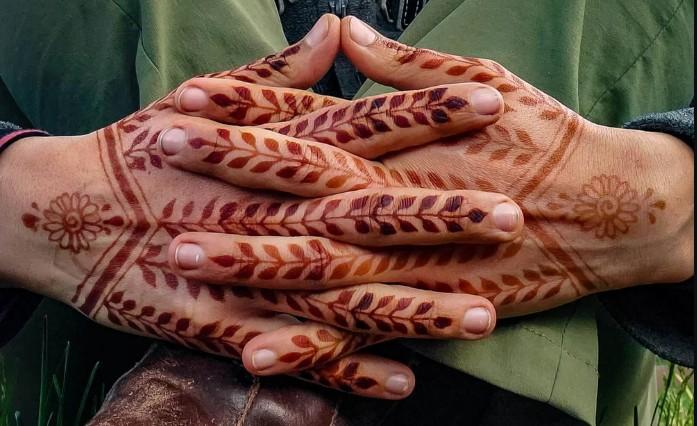
Henna, the natural dye derived from the Lawsonia inermis plant, is celebrated globally for its ability to leave a beautiful, reddish-brown stain on the skin. However, the chemical process that creates this color—known as lawsone oxidation—does not behave identically on every individual. To achieve a professional and consistent result, an artist must understand the biological variations across the Fitzpatrick scale, which categorizes skin types I through VI based on their reaction to UV light and melanin concentration. By mastering these nuances, an artist ensures that the stain is vibrant and long-lasting, regardless of the client's natural complexion.
The Chemistry of Lawsone and Melanin Interference
At the heart of every henna stain is the lawsone molecule (2-hydroxy-1,4-naphthoquinone). When the paste is applied, these molecules migrate from the plant matter into the top layer of the skin, the stratum corneum, where they bind to keratin proteins. This initial bond creates a bright orange hue. Over the following 24 to 48 hours, exposure to oxygen causes the lawsone to darken into the familiar deep mahogany. On Fitzpatrick types I and II, which have very low levels of underlying melanin, this oxidation is highly visible and often results in a bright, fiery red-orange before settling.
However, on Fitzpatrick types V and VI, the higher concentration of natural melanin acts as a visual filter. The dark brown or black pigment of the skin can "swallow" the reddish-brown tones of the henna, making the design appear more subtle or even invisible if the paste is not potent enough. For practitioners, this highlights the necessity of using high-altitude, high-lawsone content henna powder.
Adjusting Henna Recipes for Fitzpatrick Types I–III
Clients with Fitzpatrick types I through III generally have thinner, more translucent skin that is prone to irritation from harsh essential oils. For these skin types, the primary goal of the henna recipe is to ensure a deep stain without causing contact dermatitis. A "gentle" recipe often utilizes high-quality lavender oil (specifically Lavandula angustifolia), which contains high levels of monoterpene alcohols like linalool to aid dye penetration but is soft on sensitive skin. Because the stain is so prominent against fair skin, any bleeding or "halo" effect from a runny paste is immediately obvious.
To prevent this, the recipe should include a slightly higher sugar content to ensure the paste "hugs" the skin and stays moist longer, allowing the lawsone to penetrate the thin epidermal layers of these skin types. If you are struggling with paste consistency or choosing the right "terp" oils for sensitive clients, enrolling in a henna course can provide the foundational knowledge needed to mix safe, effective batches. This ensures that the bright orange transition phase on fair skin eventually deepens into a rich, clean-edged maroon rather than a fuzzy, faded brown.
Enhancing Stain Depth for Fitzpatrick Types IV–VI
When working with Fitzpatrick types IV through VI, the strategy shifts toward maximum potency. To ensure the design "pops" against a dark background, the henna paste needs a higher concentration of "terps"—essential oils rich in monoterpene alcohols like tea tree, cajeput, or eucalyptus. These oils act as a solvent for the lawsone molecule, pushing more pigment deeper into the keratin layers. Furthermore, the use of a dark, tannin-rich liquid like strong black tea or coffee in the initial mix can help lower the pH, which some artists believe helps the lawsone bond more aggressively to the skin.
Heat is also a critical catalyst for darker skin. Since the melanin already provides a dark base, the henna must be forced to oxidize to its absolute darkest potential to remain distinct. Encouraging clients to keep the area warm—using medical tape (MeFix) or even a gentle heat lamp—can significantly improve the final result.
Integrating Mindfulness and Application Techniques
While the science of oxidation is vital, the application process itself is an art form that benefits greatly from a calm environment. Many artists are now exploring what mindfulness or meditation practices can be integrated into the henna application process? This integration serves a dual purpose: it keeps the client still, which prevents smudging of the intricate lines, and it lowers the client's blood pressure, which can actually stabilize skin temperature for a more even dye release.
Practices such as guided breathing or intentional silence during the application of complex mandalas can turn a beauty appointment into a therapeutic ritual. For the artist, this mindfulness helps maintain the steady hand required for the fine-line work necessary to make designs visible on deeper skin tones. By focusing on the breath and the flow of the cone, the artist enters a "flow state" where the geometry of the design aligns perfectly with the contours of the body. This holistic approach to the craft is a major focus for those who view henna as more than just a temporary tattoo, and it is a philosophy frequently taught in a modern henna course.
Conclusion: Mastering the Spectrum
Mastering henna application across the full Fitzpatrick spectrum requires a balance of chemistry, biological understanding, and artistic intuition. There is no "one-size-fits-all" recipe in the world of professional henna; the most successful artists are those who can look at a client's skin, assess their lifestyle and aftercare capabilities, and adjust their paste and design accordingly. Whether it is choosing a gentle lavender mix for a fair-skinned bride or a potent tea-tree blend for a client with deep mahogany skin, the goal is always the same: a stain that honors the beauty of the wearer.