English
 Arabic
 French
 Spanish
 Portuguese
 Deutsch
 Turkish
 Dutch
Dutch
 Italiano
 Russian
 Romaian
 Portuguese (Brazil)
 Greek
Greek
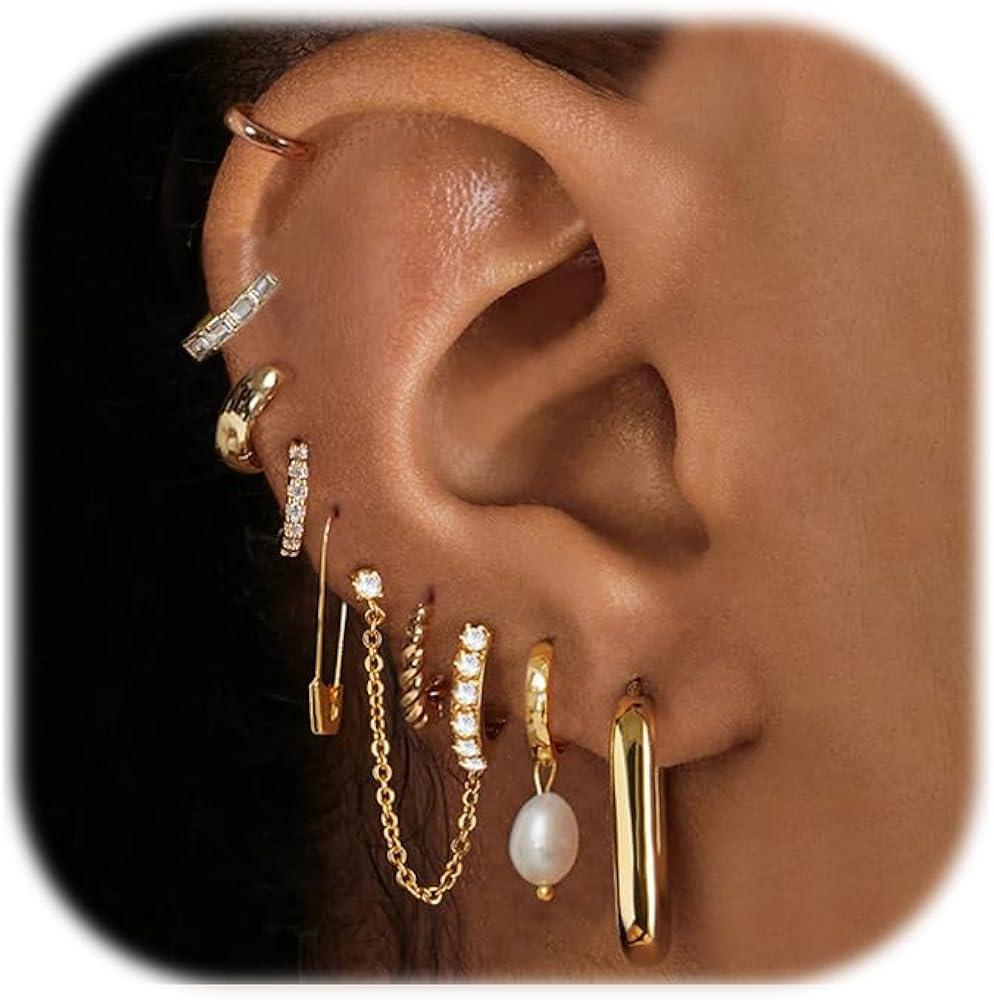
Selecting the appropriate metal for a new piercing is a critical decision, especially for those with a history of skin reactivity. In the high-standard clinical environments of Ear Piercing Riyadh, the choice of jewelry material is governed by biocompatibility—the ability of a material to exist in contact with living tissue without causing an adverse immune response. For residents with sensitive skin, the goal is to eliminate common irritants like nickel and cobalt, which are often found in lower-quality alloys. By choosing medical-grade metals that meet international and local safety standards, you can ensure a smooth healing process and a comfortable, long-term experience with your new "earscape."
Implant-Grade Titanium (ASTM F136)
Titanium is widely considered the "gold standard" for initial piercings and sensitive ears. Unlike many other metals, it is an elemental metal that is naturally 100% nickel-free.
-
Biocompatibility: This is the same material used by surgeons for heart valves and joint replacements because the body does not recognize it as a foreign invader.
-
Lightweight Nature: Titanium is approximately 45% lighter than stainless steel. This reduced weight puts less stress on a fresh piercing, which is particularly beneficial for delicate areas like the helix or forward helix.
-
Non-Corrosive: It is highly resistant to corrosion from body fluids and saline, ensuring that the jewelry remains smooth and non-reactive throughout the entire healing journey.
14K and 18K Solid Gold
Gold has been a staple of Saudi adornment for generations, prized for its stability and luxurious finish. However, for sensitive skin, the purity of the gold—measured in karats—is paramount.
-
Karatage Matters: 14K and 18K gold are ideal because they are alloyed with enough other metals to be durable but maintain a high percentage of pure, non-reactive gold.
-
Avoid Gold Plating: For a fresh piercing, it is vital to use solid gold rather than gold-plated or "vermeil" jewelry. Plating is a thin layer that can wear off or chip, exposing your healing tissue to the potentially reactive base metals underneath.
-
Nickel-Free Alloys: Ensure your gold jewelry is specifically labeled as nickel-free. While yellow gold is generally safe, white gold is sometimes alloyed with nickel; in professional Riyadh studios, palladium-based white gold is the preferred alternative for sensitive clients.
Niobium
Niobium is an elemental metal similar to titanium but slightly heavier and more malleable. It is an excellent choice for those who have experienced reactions even with high-quality titanium (though such cases are rare).
-
Pure Element: Because it is an element rather than an alloy, there are no "hidden" metals like nickel or copper.
-
Color Versatility: Niobium can be "anodized" to create a spectrum of vibrant colors—like deep blues, purples, and iridescent greens—without the use of paints or coatings that could irritate the skin.
-
Safety Profile: It is highly resistant to tarnishing and is considered one of the safest possible materials for human tissue.
Implant-Grade Stainless Steel (316LVM)
While "surgical steel" is a common term, only specific grades like 316LVM (ASTM F138) are suitable for a fresh piercing in sensitive individuals.
-
The Nickel Factor: All stainless steel contains some nickel. However, in "implant-grade" steel, the nickel is "trapped" within the metal's molecular structure, meaning it is not released into the body.
-
Who it's for: This is a durable and cost-effective option for those with mild sensitivities. However, for individuals with a confirmed, severe nickel allergy, titanium remains the safer first choice.
-
Clinical Polish: Professional-grade steel jewelry features a mirror-finish polish, which eliminates microscopic scratches where bacteria could hide, further protecting the sensitive piercing site.
Biocompatible Polymers and Glass
For those with extreme multifaceted sensitivities or those who require non-metallic options for medical scans (like an MRI), medical-grade polymers (PTFE) and borosilicate glass are increasingly available in Riyadh.
-
Inert Materials: These materials are completely non-reactive and contain zero metal components.
-
Flexibility: PTFE is a flexible plastic that can be useful for initial piercings in areas that experience a lot of movement, as it places minimal tension on the wound.
-
Glass Retainers: Clear glass studs are virtually invisible and offer a perfectly smooth, hypoallergenic surface for healing tissue.
Ensuring Quality in the Saudi Market
When selecting your jewelry in Riyadh, look for studios that provide certification for their materials. High-quality pieces will often be stamped with their karatage (for gold) or come with documentation verifying they meet ASTM (American Society for Testing and Materials) standards. By prioritizing these superior metals, you are removing the most common hurdle to a successful piercing, allowing your body to focus entirely on building healthy new tissue.