English
 Arabic
 French
 Spanish
 Portuguese
 Deutsch
 Turkish
 Dutch
Dutch
 Italiano
 Russian
 Romaian
 Portuguese (Brazil)
 Greek
Greek
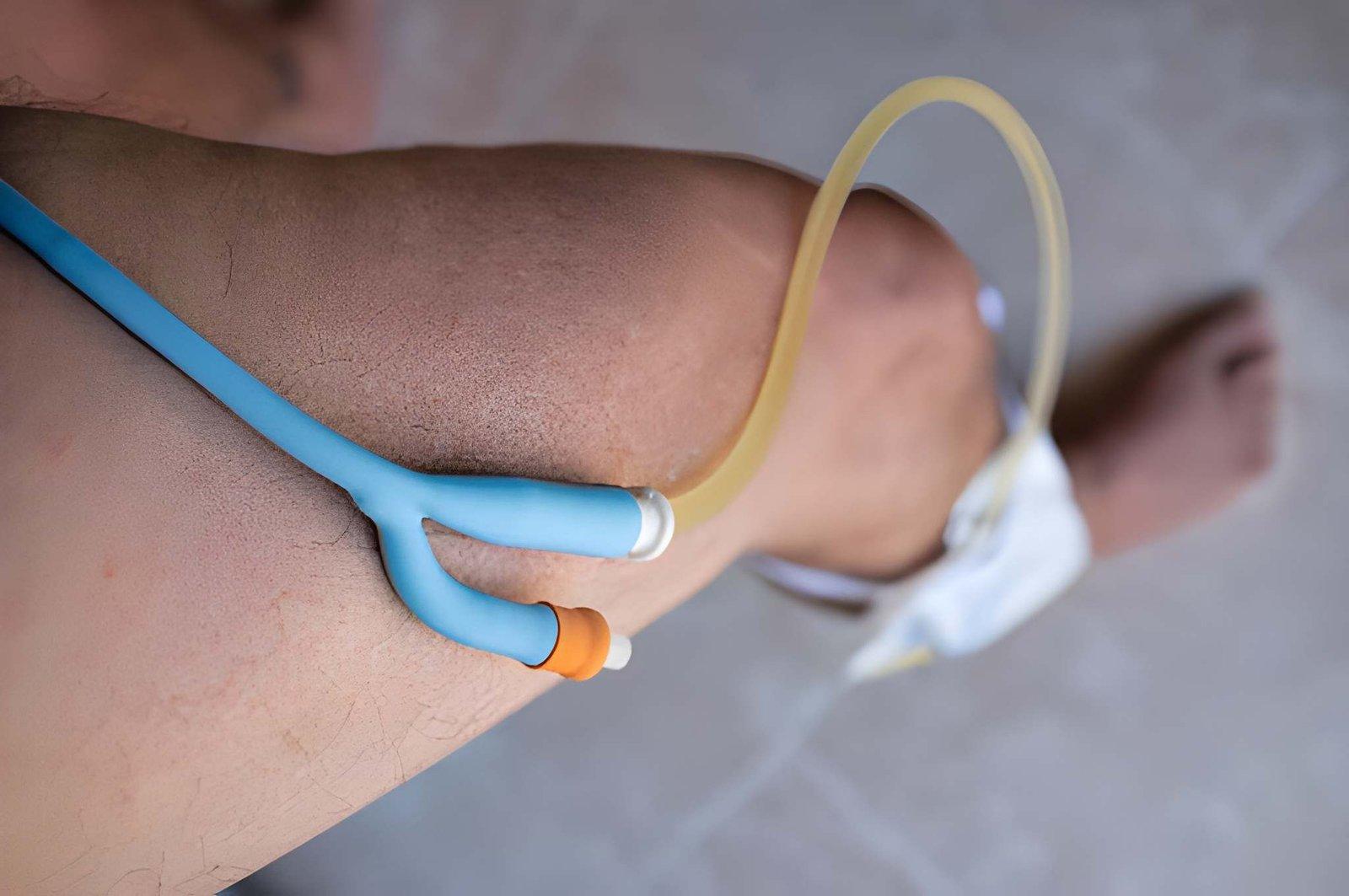
Urinary Catheters are vital medical devices used to assist patients who cannot naturally empty their bladder. These flexible tubes provide efficient urine drainage and are essential in managing conditions ranging from post-operative recovery to chronic urinary disorders. With advances in healthcare delivery, their usage is expanding across hospitals, rehabilitation centers, and home care settings.
Understanding the Role of Urinary Catheters
Urinary catheters are primarily used for individuals experiencing difficulty urinating due to neurological disorders, prostate enlargement, spinal injuries, or surgical procedures. They are especially important in critical care, where accurate monitoring of urine output is required. By ensuring proper bladder emptying, these devices help prevent complications such as overdistension and kidney damage.
Catheter use can be short-term, for acute medical conditions or surgeries, or long-term, for chronic illnesses or mobility limitations. Proper hygiene and handling are crucial, as infections remain one of the most common complications associated with catheterization.
Types and Materials of Urinary Catheters
There are several types of catheters designed for specific patient needs. Indwelling catheters, often called Foley catheters, remain in place for extended periods. Intermittent catheters are used temporarily and removed after bladder emptying, allowing self-catheterization for capable patients. External catheters, mostly for male patients, are less invasive and fit externally.
Material selection plays a significant role in performance and safety. Catheters may be made from latex, silicone, or coated materials that reduce friction and lower infection risk. Innovations such as antimicrobial coatings have further improved safety by minimizing the chances of catheter-associated urinary tract infections.
Patient Care and Clinical Guidelines
The use of urinary catheters requires careful clinical evaluation. Prolonged use increases the risk of infection, bladder irritation, and other complications, which is why guidelines recommend removing catheters as soon as they are no longer necessary.
Educating patients, particularly those managing catheters at home, is critical. Proper cleaning, regular monitoring, and awareness of warning signs like pain, fever, or unusual urine color can significantly improve outcomes. Patient-friendly catheter designs have made it easier for individuals to maintain independence while managing their conditions.
Technological Advancements
Recent innovations have enhanced both safety and comfort for urinary catheter users. Hydrophilic coatings reduce insertion friction, temperature-sensitive materials improve adaptability, and closed drainage systems lower contamination risk. Digital health integration is also beginning to play a role, with smart monitoring systems enabling real-time tracking of urine output to support clinical decisions and improve patient care.
Market Size and Growth Potential
The Urinary Catheters Market Size has grown steadily due to aging populations, rising chronic disease prevalence, and increased awareness of advanced healthcare solutions. Hospitals continue to be the largest users, but home healthcare is becoming a rapidly growing segment.
Healthcare accessibility improvements in developing regions are also driving market expansion. Government initiatives and increased investment in healthcare infrastructure are making urinary catheters more widely available.
Factors Shaping Market Development
The Urinary Catheters Market Dynamics are influenced by technology, regulations, and patient demographics. Infection prevention measures have increased demand for antimicrobial and single-use catheters. Pricing strategies, reimbursement policies, and competition among manufacturers also shape the market, driving continuous product innovation and improved quality standards.
Emerging Industry Trends
Key Urinary Catheters Market Trends include a shift toward minimally invasive, patient-friendly devices. Sustainability is also gaining focus, with biodegradable materials increasingly used in production. Additionally, the rise of home care has created demand for discreet and easy-to-use designs, allowing patients to manage daily catheterization independently.
Future Outlook
The Urinary Catheters Market Forecast projects continued growth fueled by technological innovation, increasing healthcare access, and a strong focus on patient safety. Emerging markets are expected to drive significant expansion, providing new opportunities for manufacturers and healthcare providers.
Conclusion
Urinary catheters remain an essential part of modern medical care. Advances in design, technology, and patient education are improving their effectiveness and accessibility, ultimately supporting better health outcomes and enhancing patient quality of life.
Latest Reports by DelveInsight:
Tropical Spastic Paraparesis Market | Vulvar Cancer Market | Diabetes Insipidus Market | Surgical Energy Instruments Market | Plasmodium Vivax Malaria Market | Facial Lines Market | Pigment Epithelial Detachment Market | Peripheral Vascular Devices Market | Antibody Drug Conjugate Market | Bowel Obstruction Market | Liquid Biopsy for Cancer Diagnostics Market | Soft Tissue Sarcoma with Lung Metastasis Market | Urinary Incontinence Devices Market | Advanced Liver Cancer Market | Atopic Dermatitis Market | Bone Growth Stimulator Market | Endoscopic Ultrasound Market | Herpes Zoster Market | Immune Thrombocytopenia Market | Keloid Market | Monoclonal Gammopathy of Undetermined Significance Market | Myopia Progression Market | Neurodermatitis Market | Novel Drug Delivery Devices Market | Paranasal Sinus Cancer Market | Peanut Allergy Market Report | Penile Cancer Market | Postpartum Depression Market | Radiation Dermatitis Market | Septic Shock Market | Transcatheter Treatment Market | Abdominal Aortic Aneurysm Market | Adeno Associated Viruses AAV Gene Therapy Market | Anastomosis Device Market | Attention Deficit Hyperactivity Disorder ADHD Market | Bacterial Pneumonia Market | Biopsy Devices Market | Blastomycosis Market | Carcinoid Syndrome Market | Chronic Smell and Flavor Loss Market | Congenital Heart Defect Market | Digestive System Fistula Market | Drug-Resistant Epilepsy Market | Electrophysiology Devices Market | Focal Segmental Glomerulosclerosis Market | Frontotemporal Dementia Pipeline | Geographic Atrophy Market | HDAC Inhibitors Market | Kernicterus Market
About DelveInsight
DelveInsight is a leading Business Consultant, and Market Research firm focused exclusively on life sciences. It supports Pharma companies by providing comprehensive end-to-end solutions to improve their performance. It also offers Healthcare Consulting Services, which benefits in market analysis to accelerate the business growth and overcome challenges with a practical approach.
Media Contact
Company Name: DelveInsight Business Research LLP
Contact Person: Abhishek kumar
Email: abhishek@delveinsight.com
City: Albany
State: New York
Country: United States
Website: https://www.delveinsight.com