English
 Arabic
 French
 Spanish
 Portuguese
 Deutsch
 Turkish
 Dutch
Dutch
 Italiano
 Russian
 Romaian
 Portuguese (Brazil)
 Greek
Greek
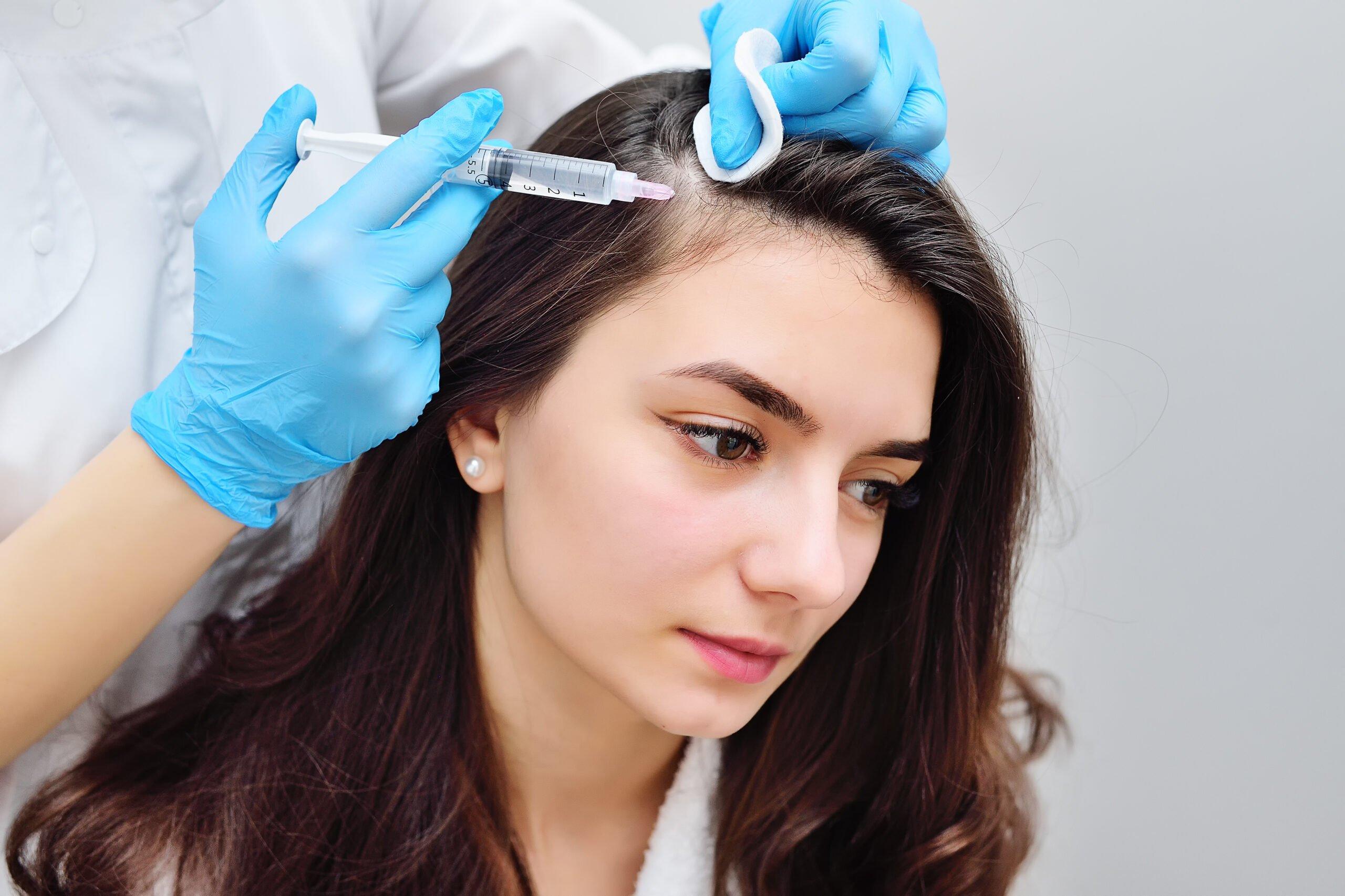
PRP hair treatment, short for Platelet-Rich Plasma therapy, is a non-surgical procedure used to promote hair growth and improve hair thickness. It has become increasingly popular as a treatment for hair thinning and certain types of hair loss, especially in both men and women experiencing early stages of baldness. PRP hair treatment in Riyadh is becoming a popular non-surgical solution for individuals seeking natural hair regrowth and improved scalp health.
The treatment is based on the idea that the patient’s own blood contains healing components that can stimulate hair follicles. Platelets are a type of blood cell best known for their role in clotting, but they also contain growth factors. These growth factors help repair tissues, encourage cell growth, and improve blood supply to targeted areas. In PRP therapy, these beneficial components are concentrated and then injected into the scalp to support healthier hair growth.
The process of PRP hair treatment typically involves three main steps. First, a small amount of blood is drawn from the patient’s arm, similar to a routine blood test. This blood is then placed into a machine called a centrifuge. The centrifuge spins the blood at high speed, separating it into different layers. One of these layers is the platelet-rich plasma, which contains a higher concentration of platelets than normal blood.
Once the PRP is prepared, it is drawn into a syringe and injected into specific areas of the scalp where hair thinning or hair loss is occurring. Before the injections, the scalp is usually cleaned, and sometimes a numbing cream is applied to reduce discomfort. The injections are made at multiple points across the scalp, targeting the roots of the hair follicles.
The way PRP works is by stimulating inactive or weak hair follicles. The growth factors in the plasma are believed to improve blood circulation in the scalp and increase the supply of nutrients to the hair follicles. This can help strengthen existing hair, reduce hair shedding, and encourage the growth of new hair. In simple terms, PRP helps create a healthier environment for hair to grow.
PRP hair treatment is commonly used for androgenetic alopecia, also known as pattern baldness. This is a genetic condition that causes gradual thinning of hair, usually starting at the temples or crown in men, and overall thinning in women. It may also be used in some cases of hair shedding due to stress or hormonal changes, although results can vary depending on the cause of hair loss.
The treatment is usually done in multiple sessions rather than a single visit. Most patients require an initial series of three to four sessions, spaced about four to six weeks apart. After that, maintenance sessions may be recommended every few months to maintain the results. The procedure itself typically takes about 30 to 60 minutes per session.
One of the main advantages of PRP hair treatment is that it uses the patient’s own blood, which reduces the risk of allergic reactions or serious side effects. It is considered a relatively safe procedure when performed by a trained professional. Some mild side effects may occur, such as slight pain at the injection site, redness, swelling, or temporary scalp sensitivity, but these usually resolve within a few days.
However, it is important to understand that PRP is not a miracle cure. The results can vary from person to person, and it is generally more effective in the early stages of hair loss rather than advanced baldness where hair follicles are no longer active. Some people may notice reduced hair fall and improved thickness within a few months, while others may need more time or may not respond as well.
PRP is often combined with other treatments such as medications, topical solutions, or lifestyle changes to achieve better results. Doctors may recommend it as part of a broader hair restoration plan.
In conclusion, PRP hair treatment is a modern, minimally invasive option that uses the body’s natural healing properties to support hair growth. By concentrating platelets from the patient’s own blood and injecting them into the scalp, it aims to strengthen hair follicles, improve hair quality, and slow down hair loss. While it is not guaranteed to work for everyone, it offers a promising option for individuals looking for a non-surgical approach to managing hair thinning.