English
 Arabic
 French
 Spanish
 Portuguese
 Deutsch
 Turkish
 Dutch
Dutch
 Italiano
 Russian
 Romaian
 Portuguese (Brazil)
 Greek
Greek
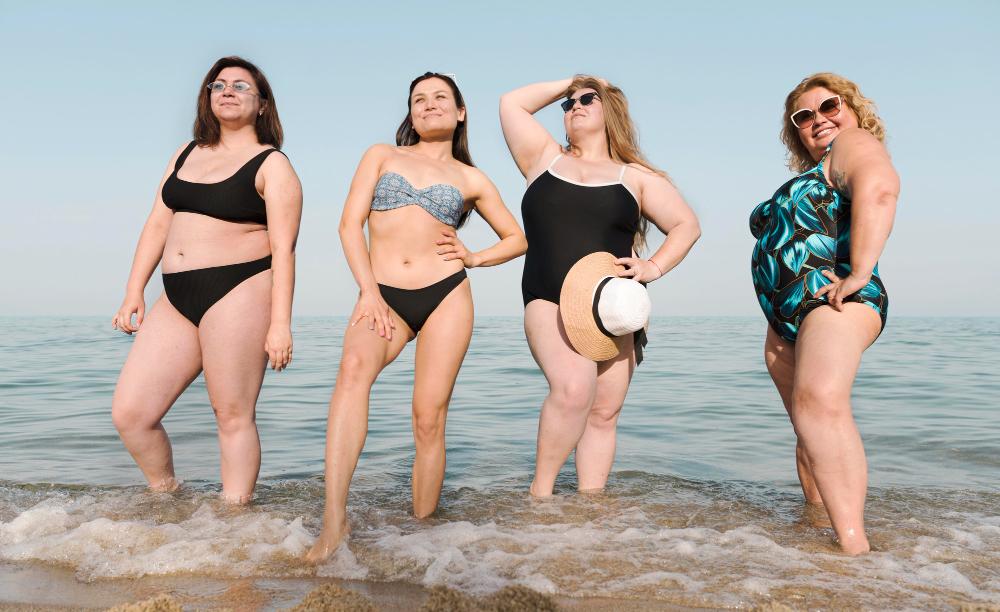
In the high-stakes world of apparel manufacturing, the swimwear sector is often regarded as one of the most technically demanding. For B2B buyers—ranging from independent boutique owners to global retail procurement managers—the 2026 landscape has introduced a new tier of complexity. It is no longer enough to offer a stylish silhouette; the modern "Wavezone" of success requires garments that solve deep-seated functional and ethical problems.
If your brand is currently struggling with high return rates, fabric "ghosting," or inconsistent sizing across production batches, you aren't just facing a bad season. You are facing a structural manufacturing gap. Solving these "hidden" problems is the difference between a one-time order and a sustainable, high-margin B2B partnership.
1. The "Sunscreen-Seepage" Crisis: Solving Chemical Degradation
The single most frequent cause of premature swimwear failure in 2026 isn't the water—it’s the skin protection. Most consumers now use mineral-based or high-oil sunscreens, which act as a solvent against traditional synthetic fibers.
The Problem: Standard polyester and low-grade spandex absorb these oils, leading to yellowing (especially in whites) and a permanent loss of "snap-back" elasticity. For a B2B buyer, this results in "Deadstock" that loses its shelf-appeal before it even sells.
The Solution: At the sourcing level, we solve this by mandating XTRA LIFE™ LYCRA® or high-denier PBT (Polybutylene Terephthalate) fibers. These textiles are specifically engineered to resist oils and chlorine up to 10 times longer than unprotected fibers. By providing your clients with chlorine-resistant and oil-repellent certifications, you move from selling a garment to selling "Long-Life Performance," a key metric for premium resort wear brands.
2. The Inclusive Fit Paradox: Solving "Fit-Migration"
As the market moves toward inclusive sizing, the technical challenge of "Fit-Migration" has intensified. A bikini or one-piece that fits a mannequin perfectly often fails when subjected to the dynamic torque of swimming or beach sports.
The Problem: Many factories use a "one-size-scales-all" grading system. This leads to straps that dig in on larger sizes or "leg-opening gap" on smaller sizes. Poorly designed swimwear migrates during movement, causing the wearer discomfort and leading to the dreaded "negative review loop" for the retailer.
The Solution: Solve this through 3D Fit Mapping and high-stretch recovery testing. Professional B2B manufacturers must utilize four-way stretch fabrics with a minimum of 18-22% elastane content. Furthermore, implementing zigzag stitching or specialized "hidden" elastic silicone grippers in the hems prevents the garment from shifting. Offering a "Technical Fit Guarantee" to your wholesale partners reduces their risk and positions your manufacturing as a high-authority solution.
3. The "Greenwashing" Liability: Solving Traceability Gaps
In 2026, "Sustainable" is no longer an optional marketing tag; it is a regulatory requirement in many global markets. B2B buyers are increasingly terrified of "Greenwashing" accusations that can result from a lack of supply chain transparency.
The Problem: Identifying the difference between genuine recycled nylon (like ECONYL) and "virgin plastic disguised as recycled" is nearly impossible without a digital paper trail. If your supplier cannot provide a Global Recycled Standard (GRS) certificate, your brand is at risk of legal and PR backlash.
The Solution: The technical fix is Verified Circularity. Move your production to regenerated polyester sourced from post-consumer waste, but ensure every shipment is accompanied by a blockchain-verified certificate of origin. By solving the "Traceability Trap," you provide your B2B clients with the legal and ethical security they need to market their eco-friendly swimwear collections with total confidence.
4. Technical SEO for the 2026 "Digital Showroom"
In the era of Search Generative Experience (SGE) and GEO, your product's "discoverability" depends on technical semantic depth.
The Problem: Generic keywords like "Summer Swimsuit" are too saturated to provide a ROI for B2B search intent.
The Solution: Utilize an authoritative LSI (Latent Semantic Indexing) framework. When describing your swimwear capabilities, integrate terms such as UPF 50+ UV-protection, hydrodynamic construction, flatlock anti-chafe seams, and antimicrobial gussets. These terms signal to AI-driven search models that your content is an expert-level resource, ensuring your manufacturing services appear when procurement officers search for "Technical Sourcing Solutions."
The Bottom Line: Innovation is the Only Lifeguard
The swimwear industry in 2026 rewards those who treat the product as a technical garment rather than a disposable fashion accessory. By solving the "hidden" failures of fabric degradation, fit inconsistency, and sourcing opacity, you transform your brand from a vendor into a vital strategic partner.
In the "Wavezone" of professional apparel, quality isn't an act; it's an engineering standard.