English
 Arabic
 French
 Spanish
 Portuguese
 Deutsch
 Turkish
 Dutch
Dutch
 Italiano
 Russian
 Romaian
 Portuguese (Brazil)
 Greek
Greek
Hair loss, or alopecia, is a condition affecting millions of individuals worldwide, and researchers have been investigating novel approaches to stimulate hair regrowth beyond traditional therapies like minoxidil or finasteride. One of the most promising areas of study in regenerative medicine is the use of exosomes, tiny extracellular vesicles secreted by cells, which have demonstrated significant potential in promoting hair growth through various biological mechanisms. Exosomes in Riyadh are emerging as a cutting-edge option for promoting hair growth and restoring thinning hair naturally.
Exosomes are nano-sized vesicles, typically ranging from 30 to 150 nanometers in diameter, that are secreted by almost all cell types. They function as mediators of intercellular communication by transporting proteins, lipids, and nucleic acids—including messenger RNA (mRNA) and microRNA (miRNA)—from donor cells to recipient cells. This cargo allows exosomes to influence the behavior of target cells, modulating processes such as proliferation, differentiation, and tissue repair. In the context of hair growth, exosomes derived from stem cells, particularly mesenchymal stem cells (MSCs), have garnered substantial attention due to their ability to stimulate hair follicle activity.
Hair follicles are highly dynamic structures that undergo cycles of growth (anagen), regression (catagen), and rest (telogen). The dermal papilla, a specialized group of cells at the base of the follicle, plays a central role in regulating these cycles by interacting with surrounding epithelial cells. Dysfunction or reduced activity of the dermal papilla can contribute to hair thinning and loss. Exosomes influence hair growth primarily by targeting these dermal papilla cells, promoting their proliferation and enhancing their signaling capacity.
One of the key mechanisms by which exosomes promote hair growth is through the activation of signaling pathways critical for follicle development. Studies have shown that exosomal cargo can stimulate the Wnt/β-catenin pathway, a central regulator of hair follicle formation and regeneration. Activation of this pathway in dermal papilla cells encourages the transition of hair follicles from the resting phase to the growth phase, effectively initiating hair regrowth. In addition to Wnt signaling, exosomes have been found to modulate other pathways such as the Akt and ERK pathways, both of which contribute to cell survival, proliferation, and angiogenesis within the follicle environment.
Beyond direct effects on dermal papilla cells, exosomes also influence the hair follicle microenvironment. Hair growth requires a rich blood supply to deliver nutrients and oxygen to the follicle. Exosomes have pro-angiogenic properties, meaning they can stimulate the formation of new blood vessels in the scalp. By enhancing local vascularization, exosomes improve nutrient delivery and create a more favorable environment for active hair growth. Moreover, exosomes carry anti-inflammatory molecules that can mitigate scalp inflammation—a factor often associated with hair thinning—thus reducing follicular stress and supporting healthier hair cycles.
MicroRNAs within exosomes play a particularly important role in regulating gene expression in hair follicle cells. Certain miRNAs can upregulate growth-promoting genes while downregulating inhibitory signals, effectively tipping the balance toward follicular activation and elongation of the anagen phase. This targeted genetic modulation allows exosomes to orchestrate complex cellular behaviors without the need for direct cell transplantation, making them a cell-free regenerative therapy.
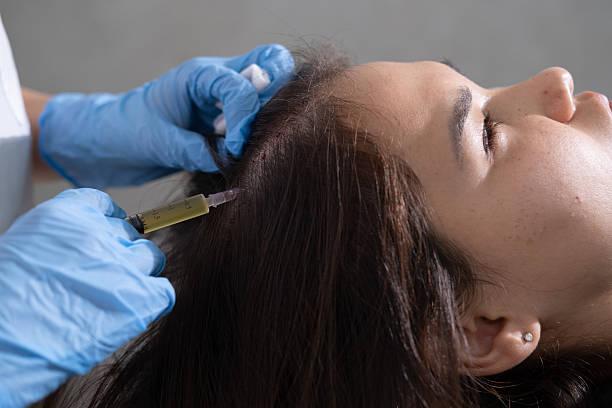
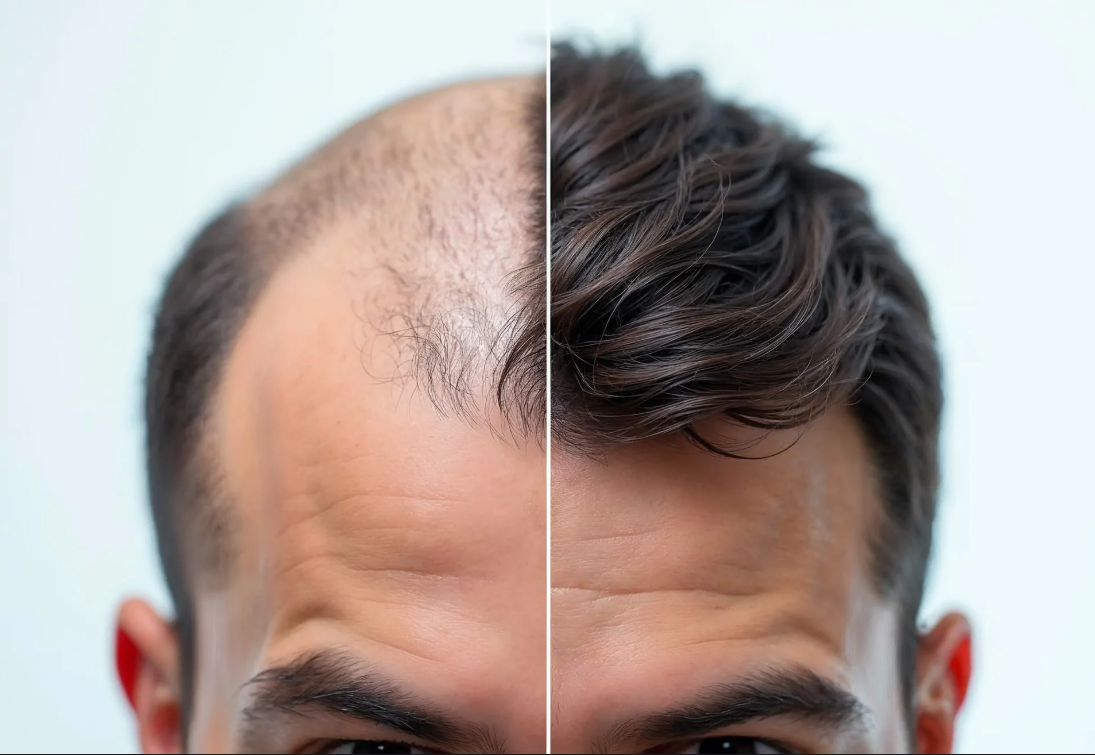
Clinically, exosome therapy for hair loss is being explored as an injectable treatment, often derived from cultured stem cells and purified to concentrate their vesicular cargo. Early results indicate that these treatments can increase hair density, improve follicle diameter, and accelerate hair regrowth cycles with minimal risk of immune rejection, since exosomes carry low immunogenicity compared to whole cells. Additionally, their small size allows them to penetrate tissues efficiently, reaching target cells within the scalp with relative ease.
In summary, exosomes promote hair growth through a multifaceted approach: stimulating dermal papilla cell proliferation, activating key signaling pathways like Wnt/β-catenin, enhancing angiogenesis, modulating inflammatory responses, and delivering microRNAs that regulate gene expression. Their ability to influence the hair follicle microenvironment without requiring direct cell transplantation positions them as a revolutionary tool in regenerative hair therapies. While further clinical studies are necessary to standardize dosages and optimize treatment protocols, current evidence suggests that exosome-based therapies could represent a safe and effective strategy for combating hair loss, offering hope for patients seeking alternatives to conventional methods.