English
 Arabic
 French
 Spanish
 Portuguese
 Deutsch
 Turkish
 Dutch
Dutch
 Italiano
 Russian
 Romaian
 Portuguese (Brazil)
 Greek
Greek
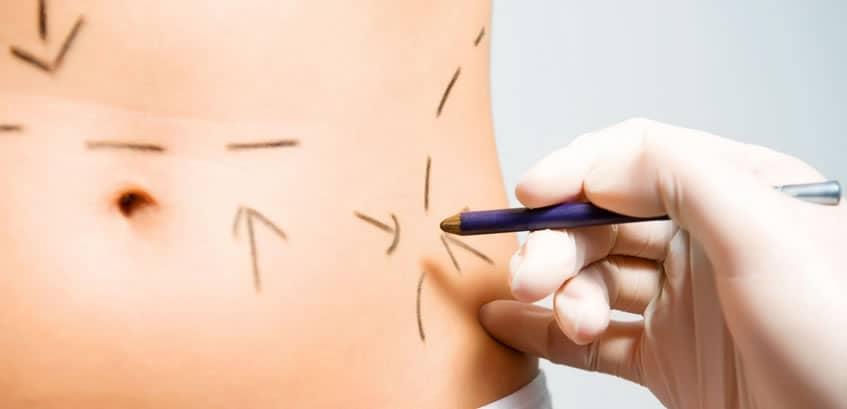
Everything You Need to Know About Body Lift Recovery in Riyadh
For individuals who have successfully navigated significant weight loss journeys or those managing the natural changes that occur with aging, a Body Lift in Riyadh offers a transformative solution to restore a firm, balanced, and rejuvenated silhouette. Often considered the final phase of a total body transformation, this comprehensive surgical procedure is designed to address the challenges of redundant skin and lax tissue that diet and exercise alone cannot resolve. By removing excess skin and tightening the underlying tissue, a body lift helps patients achieve a more toned appearance that truly reflects their dedicated efforts to improve their health and physical well-being.
The Clinical Reality of Healing
Recovery from a body lift is a significant surgical event that requires a disciplined, multi-phase approach. While the structural improvements are immediate, the healing process is gradual and requires patient compliance with post-operative protocols to ensure optimal tissue adhesion and scar maturation.
Phase 1: The Acute Window (Weeks 1–2)
The immediate aftermath of surgery is focused on minimizing inflammation and ensuring the integrity of the long incisions.
-
Support and Mobility: You will require dedicated assistance for basic tasks during the first 48 to 72 hours. Gentle, frequent movement—such as short walks around the home—is mandatory to facilitate circulation and mitigate the risk of deep vein thrombosis.
-
Compression Protocols: Medical-grade compression garments must be worn 24/7 (except during bathing) for several weeks. These garments are critical tools that provide external support to the newly tightened tissues and help prevent seroma (fluid buildup).
-
Pain Management: Your surgical team will provide a tailored medication schedule. Consistent, proactive pain management is far more effective than trying to manage discomfort after it has escalated.
Phase 2: Intermediate Healing (Weeks 3–6)
As the most intense soreness subsides, your focus shifts to activity regulation.
-
Activity Restrictions: You must strictly avoid strenuous exercise, heavy lifting, or any movements that place lateral tension on the incision sites (e.g., twisting or deep stretching). Premature activity can lead to scar widening or wound-healing complications.
-
Wound Hygiene: Keep all incision sites strictly clean and dry. In Riyadh’s climate, your home recovery area should be climate-controlled to prevent excessive perspiration, which can irritate sensitive healing skin.
-
Follow-up Appointments: Regular check-ins with your medical team are vital to monitor the maturation of the scars, remove remaining sutures, and ensure fluid levels are appropriately managed.
Long-Term Maintenance and Scar Maturation (Months 3–12+)
The final aesthetic result of a body lift is a process that unfolds over 6 to 12 months.
-
Maturation Timeline: Scars will initially appear red or pink due to increased blood flow. Over time, they will flatten and fade.
-
The Riyadh UV Protection Rule: Sunlight is the primary enemy of maturing scar tissue. You must protect your scars from all direct sun exposure for at least 12–18 months. Permanent hyperpigmentation (darkening) of the scars can occur if they are exposed to the intense regional sun without protection.
-
Nutritional Support: Your body requires high-quality protein and micro-nutrients to sustain long-term collagen remodeling. Maintain a diet rich in protein, Vitamin C, and Zinc to support skin elasticity and scar health.
Practical Tips for Riyadh Patients
-
The "Nicotine Mandate": Total, lifelong avoidance of nicotine—including vaping and patches—is critical. Nicotine is a potent vasoconstrictor that restricts oxygen flow to the skin, which is the most frequent cause of wound-healing failure in body lifts.
-
Hydration: Proper hydration is essential for lymphatic drainage and reducing post-surgical edema. Keep a strict track of your water intake.
-
Strategic Positioning: Sleeping in a slightly reclined position with your knees elevated—often using a "beach chair" setup—reduces tension on the abdominal and circumferential sutures, enhancing your comfort during the first weeks of rest.
By adhering to your surgeon’s specific post-operative care instructions, prioritizing a nutrient-dense diet, and maintaining a strict climate-controlled recovery environment, you can ensure your recovery is as efficient and comfortable as possible. This procedure is a significant commitment, but for many, it is the profound, final step that transforms their physical appearance and allows them to embrace their new, slimmer frame with renewed confidence and health.