English
 Arabic
 French
 Spanish
 Portuguese
 Deutsch
 Turkish
 Dutch
Dutch
 Italiano
 Russian
 Romaian
 Portuguese (Brazil)
 Greek
Greek
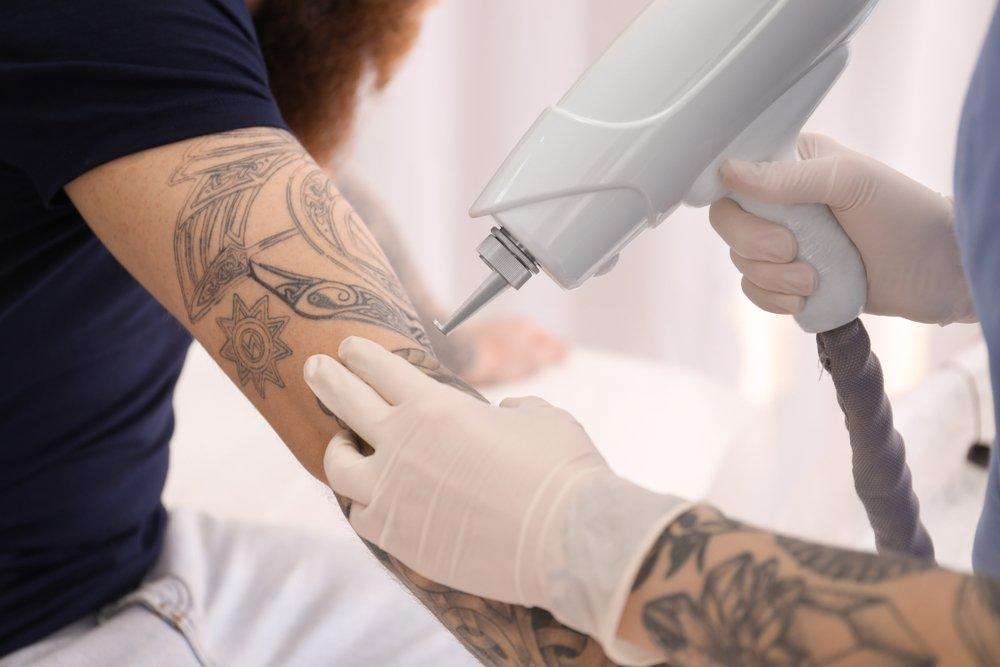
Tattoos are a popular form of self-expression, but sometimes people outgrow their designs or wish to remove them for personal, professional, or medical reasons. Laser tattoo removal has become the most common and effective method for eliminating unwanted tattoos, offering a non-invasive approach compared to surgical alternatives. Understanding how the process works, what to expect during treatment, and the factors influencing results can help individuals make informed decisions. Many people are seeking safe and effective options for tattoo removal in Riyadh to restore clear, healthy skin.
How Laser Tattoo Removal Works
Laser tattoo removal relies on the principle of selective photothermolysis, where specific wavelengths of light target the ink particles embedded in the skin without damaging surrounding tissue. Tattoos are created by depositing pigments into the dermis, the second layer of skin. These pigments are made of various compounds that respond differently to light. During laser treatment, short pulses of high-intensity light are absorbed by the ink, causing the particles to fragment into smaller pieces.
Once broken down, the body’s immune system gradually removes these fragments. Macrophages, a type of white blood cell, engulf the pigment particles and transport them to the lymphatic system for disposal. This natural process reduces the visibility of the tattoo over time. Different types of lasers are used depending on the ink color. For instance, Q-switched lasers and picosecond lasers are commonly employed because of their ability to deliver high-energy pulses in extremely short durations, minimizing damage to surrounding tissue.
The Tattoo Removal Process
Before beginning treatment, a consultation with a licensed dermatologist or laser specialist is essential. During this session, the professional evaluates the tattoo’s size, color, location, and age. Newer tattoos and those with fewer colors tend to respond more quickly, while older or multicolored tattoos may require additional sessions.
On the day of treatment, the skin is cleaned and sometimes numbed using a local anesthetic or topical cream. Protective eyewear is worn to shield the eyes from laser exposure. The practitioner then applies the laser to the tattooed area in controlled pulses. Patients often describe the sensation as a series of snapping or stinging rubber bands against the skin, though topical anesthetics or cooling devices can reduce discomfort.
The number of sessions needed varies widely, typically ranging from five to ten treatments spaced six to eight weeks apart. This spacing allows the skin to heal and the immune system to process the fragmented ink. Each session usually lasts between 15 minutes and an hour, depending on the tattoo’s size and complexity.
What to Expect After Treatment
After a laser session, it is common to experience redness, swelling, and mild tenderness in the treated area. Some people may notice blistering, crusting, or scabbing, which usually resolves within a few days to a week. Proper aftercare is critical for minimizing complications and promoting effective healing. This includes keeping the area clean, avoiding sun exposure, and applying ointments recommended by the practitioner.
Temporary changes in skin pigmentation can occur. Hypopigmentation (lighter skin) or hyperpigmentation (darker skin) may appear, particularly in individuals with darker skin tones, but these changes often improve over time. Complete healing between sessions is necessary to reduce the risk of scarring and ensure the best cosmetic outcome.
Factors Influencing Effectiveness
Several factors affect how well laser tattoo removal works. The type of ink is significant; professional tattoos often contain more durable pigments that are harder to remove than amateur tattoos. Darker colors such as black and blue respond best to treatment, while lighter shades like yellow, green, and fluorescent inks can be more challenging to eliminate.
The location of the tattoo also matters. Tattoos on areas with better blood circulation, like the torso, generally fade faster than those on extremities like hands or feet. Individual factors, such as age, immune system efficiency, and skin type, also influence results. Patients should maintain realistic expectations, understanding that complete removal may not always be possible, and faint remnants or ghost images of the tattoo may persist.
Conclusion
Laser tattoo removal is a safe and effective method for reducing or eliminating unwanted tattoos, relying on advanced technology to target and break down ink particles for natural elimination by the body. While the process can require multiple sessions and careful aftercare, modern lasers provide precise treatment with minimal risk of permanent damage. By understanding the procedure, potential side effects, and factors affecting outcomes, individuals can approach tattoo removal with confidence, knowing what to expect and how to achieve the best results.