English
 Arabic
 French
 Spanish
 Portuguese
 Deutsch
 Turkish
 Dutch
Dutch
 Italiano
 Russian
 Romaian
 Portuguese (Brazil)
 Greek
Greek
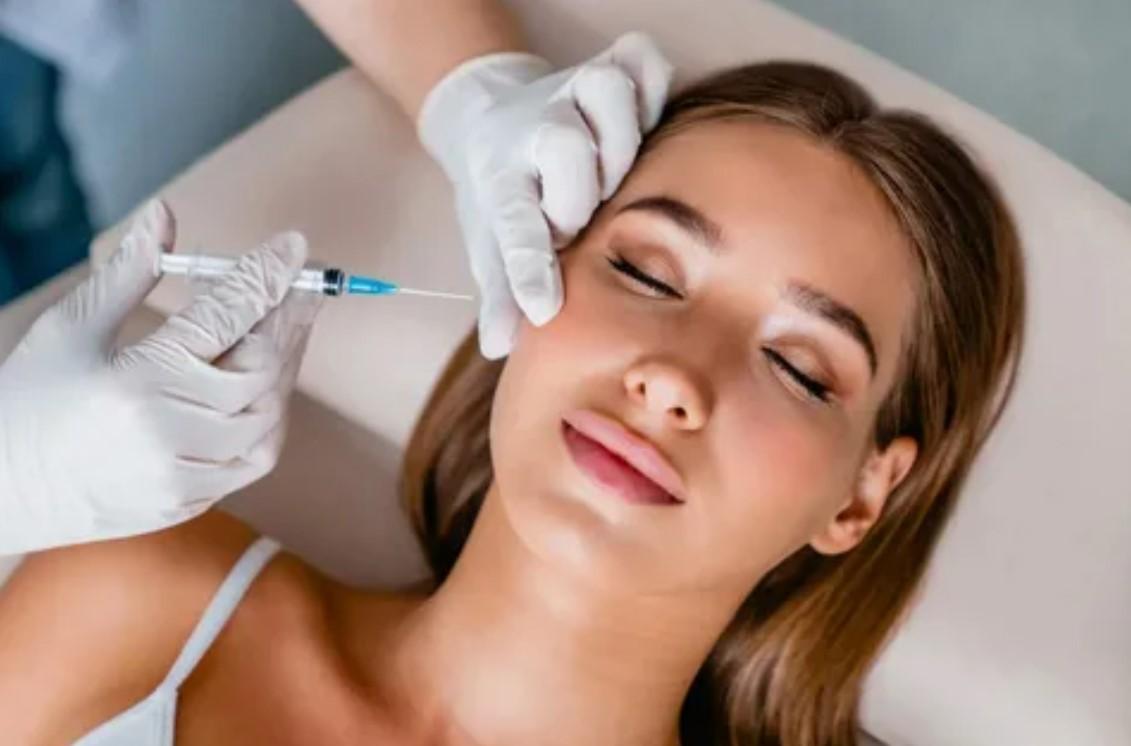
Botox is one of the most widely recognized and commonly used cosmetic treatments in the world. Known for its ability to reduce the appearance of wrinkles and fine lines, it has also been used for various medical conditions. Despite its popularity, there are often misconceptions about what Botox is and how it works. Understanding the science behind it, its uses, and the effects it has on the body can help demystify this treatment. Many people are exploring the benefits of a Botox injection in Riyadh to reduce wrinkles and achieve a more youthful appearance.
Botox is a brand name for a substance derived from botulinum toxin, a protein produced by the bacterium Clostridium botulinum. While the idea of injecting a toxin may sound alarming, in small, controlled doses, Botox is considered safe and effective for both cosmetic and therapeutic applications. Its medical use dates back to the 1970s when doctors first discovered that it could treat certain muscular conditions. Today, Botox has a variety of applications, ranging from aesthetic improvements to the management of neurological and muscular disorders.
The primary mechanism by which Botox works involves blocking the transmission of nerve signals to muscles. Normally, when a nerve sends a signal to a muscle, a neurotransmitter called acetylcholine is released. Acetylcholine binds to receptors on the muscle surface, causing the muscle to contract. Botox interrupts this process by preventing the release of acetylcholine at the nerve endings. Without this chemical messenger, the targeted muscle cannot contract, resulting in temporary relaxation or paralysis of that muscle.
In cosmetic applications, this muscle relaxation smooths the overlying skin, reducing the appearance of wrinkles and lines. Botox is especially effective on dynamic wrinkles, which are caused by repeated facial movements such as frowning, squinting, or raising the eyebrows. Common treatment areas include the forehead, the space between the eyebrows (known as the glabella), and around the eyes (crow’s feet). The effects of Botox are not permanent; they typically last between three to six months, after which the muscles gradually regain their ability to contract, and wrinkles may reappear. Repeat treatments are necessary to maintain the desired aesthetic outcome.
The procedure itself is minimally invasive and relatively quick. During a typical session, a healthcare professional uses a fine needle to inject small amounts of Botox into specific muscles. The process is often described as causing only mild discomfort, sometimes compared to a tiny pinch. Since Botox injections do not involve surgery, recovery time is usually minimal, and patients can return to their daily activities immediately. Minor side effects may occur, such as temporary redness, swelling, or bruising at the injection site, but serious complications are rare when the procedure is performed by a trained professional.
Beyond cosmetic purposes, Botox has several medical applications. It can be used to treat chronic migraines, excessive sweating (hyperhidrosis), muscle spasticity, overactive bladder, and certain eye disorders like strabismus (crossed eyes) and blepharospasm (uncontrolled blinking). In these cases, the underlying principle remains the same: Botox relaxes overactive muscles or glands, providing relief from symptoms. For instance, in chronic migraine treatment, Botox is injected into specific head and neck muscles to reduce the frequency and severity of headaches. Patients often report significant improvement after a few weeks of treatment.
It is important to note that while Botox is generally safe, it is not suitable for everyone. Pregnant or breastfeeding individuals, people with certain neuromuscular disorders, and those with allergies to components in Botox should avoid the treatment. Consulting a licensed healthcare professional is essential to determine if Botox is an appropriate option.
Over the years, Botox has become more than just a cosmetic procedure; it represents a convergence of science, medicine, and aesthetics. Its ability to temporarily modify muscle activity has led to widespread popularity, not only for beauty purposes but also for improving quality of life in people with medical conditions. The effects of Botox may seem magical, but they are the result of precise scientific understanding of how nerves and muscles communicate.
In conclusion, Botox is a medical-grade protein that temporarily relaxes muscles by blocking nerve signals, resulting in smoother skin and relief from certain medical conditions. Its applications range from cosmetic enhancement to therapeutic interventions, demonstrating versatility and efficacy. While widely considered safe, proper administration by a trained professional is crucial for achieving desired results and minimizing risks. Understanding how Botox works allows individuals to make informed decisions about its use, appreciating both the science behind it and the subtle art of its application.