English
 Arabic
 French
 Spanish
 Portuguese
 Deutsch
 Turkish
 Dutch
Dutch
 Italiano
 Russian
 Romaian
 Portuguese (Brazil)
 Greek
Greek
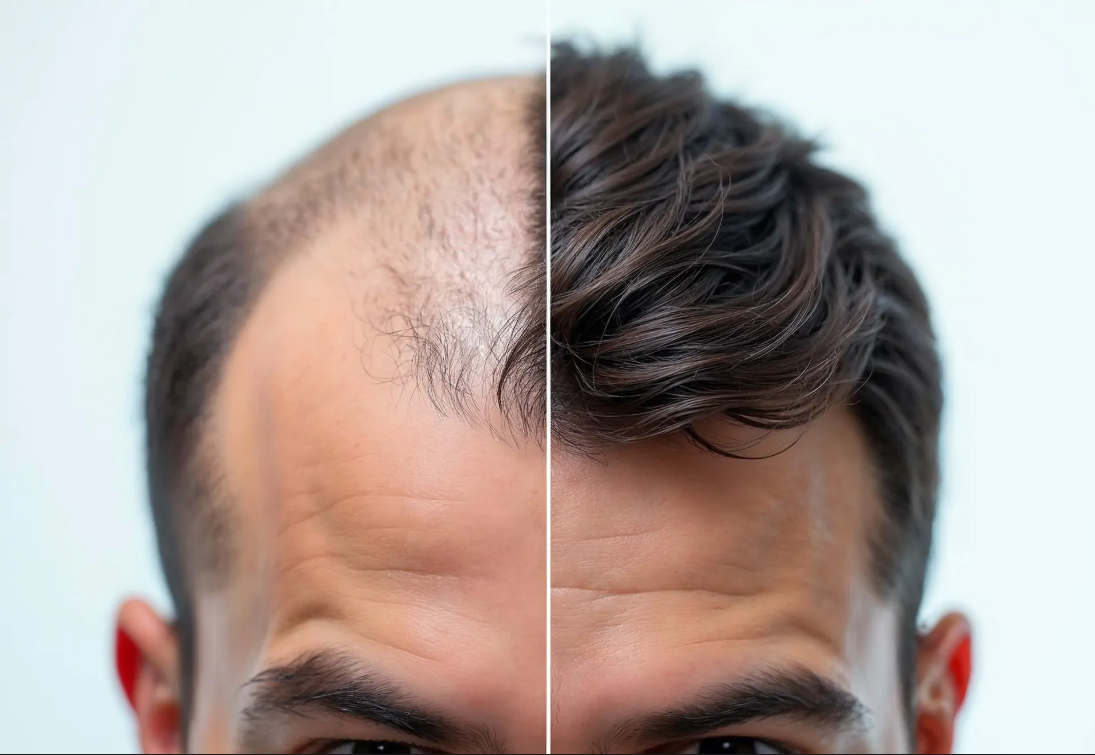
Exosome therapy is an emerging treatment in regenerative medicine that has gained significant attention in the field of hair restoration. Exosomes are small extracellular vesicles, typically 30–150 nanometers in size, secreted by various cell types, including stem cells. They act as intercellular communication vehicles, carrying proteins, lipids, messenger RNA (mRNA), microRNAs (miRNAs), and other signaling molecules. Unlike cell-based therapies, exosomes provide many of the regenerative benefits of stem cells without the complexity, immune rejection risk, or tumorigenic potential associated with transplanting live cells. This makes exosome therapy particularly appealing for conditions like androgenetic alopecia and other forms of hair loss. Many people are exploring the benefits of exosomes in Riyadh for natural hair restoration and scalp rejuvenation.
The rationale for using exosomes in hair loss lies in their ability to modulate the hair follicle microenvironment. Hair follicles are highly dynamic mini-organs that undergo cyclic phases: anagen (growth), catagen (regression), and telogen (resting). Hair loss, especially in androgenetic alopecia, involves a shortening of the anagen phase and progressive miniaturization of hair follicles, largely due to genetic predisposition and sensitivity to dihydrotestosterone (DHT). Current therapies such as minoxidil or finasteride aim to prolong anagen or inhibit DHT but have limited efficacy in reversing follicular damage. Exosomes, by contrast, target the underlying cellular pathways responsible for follicle regeneration.
Exosomes derived from mesenchymal stem cells (MSCs) or adipose-derived stem cells (ADSCs) have been the primary focus in hair restoration research. These exosomes contain a rich cargo of growth factors, including vascular endothelial growth factor (VEGF), fibroblast growth factor (FGF), platelet-derived growth factor (PDGF), and hepatocyte growth factor (HGF), all of which are known to play critical roles in hair follicle biology. VEGF, for instance, promotes angiogenesis around hair follicles, improving nutrient and oxygen delivery, which is essential for sustaining active hair growth. FGF and PDGF contribute to the proliferation of dermal papilla cells, specialized cells at the base of hair follicles that orchestrate follicle development and cycling.
Another critical component of exosome therapy is the delivery of microRNAs. MicroRNAs are short, non-coding RNA molecules that regulate gene expression post-transcriptionally. Certain miRNAs in exosomes have been shown to upregulate anagen-inducing genes and downregulate catagen-promoting signals, essentially encouraging follicles to re-enter the growth phase. For example, miR-218-5p has been implicated in stimulating the Wnt/β-catenin signaling pathway, which is essential for hair follicle development and cycling. This ability to influence gene expression at the molecular level is a key reason why exosomes can potentially regenerate miniaturized follicles that other treatments cannot.
Exosome therapy also modulates the local immune environment of the scalp. Chronic inflammation and oxidative stress are known contributors to follicular miniaturization. Exosomes carry anti-inflammatory cytokines and antioxidants that can reduce pro-inflammatory signaling and oxidative damage in the follicular niche. By mitigating this hostile environment, exosomes help create conditions favorable for hair follicle regeneration.
From a practical perspective, exosome therapy is typically administered through microinjections directly into the scalp at areas of thinning or balding. This localized delivery ensures that the exosomes act on the targeted follicles without systemic effects. Unlike stem cell injections, exosomes are acellular and do not require engraftment or survival, reducing the risk of complications. Clinical studies and case reports have documented improvements in hair density, thickness, and overall scalp coverage after several treatment sessions, often without significant side effects.
While the results are promising, it is important to note that exosome therapy for hair loss is still an experimental and evolving field. Standardization remains a challenge, as the source of stem cells, isolation methods, dosage, and frequency of administration can vary widely. Regulatory oversight is also limited, meaning that clinical protocols and outcomes are not yet universally established. Despite these challenges, the biological rationale for exosome therapy is strong: it addresses multiple aspects of follicle health simultaneously—angiogenesis, cellular proliferation, gene regulation, and inflammation—offering a comprehensive regenerative approach rather than a symptomatic treatment.
In summary, exosome therapy represents a cutting-edge, cell-free approach to hair restoration. By harnessing the regenerative cargo of stem-cell-derived exosomes, this therapy targets the fundamental cellular and molecular mechanisms underlying hair follicle miniaturization and hair loss. It offers the potential not only to halt hair loss but also to stimulate regrowth in areas of thinning, making it a compelling option for those seeking advanced regenerative solutions beyond conventional pharmacological treatments. As research continues and protocols become standardized, exosome therapy may well become a cornerstone in the field of hair restoration medicine.