English
 Arabic
 French
 Spanish
 Portuguese
 Deutsch
 Turkish
 Dutch
Dutch
 Italiano
 Russian
 Romaian
 Portuguese (Brazil)
 Greek
Greek
Breast lift surgery, medically known as mastopexy, is a cosmetic procedure designed to raise and reshape sagging breasts. Over time, factors such as aging, pregnancy, breastfeeding, weight fluctuations, and genetics can cause the breasts to lose firmness and begin to droop. While breast volume may remain the same, the skin stretches and the nipple-areola complex may descend below its ideal position on the chest wall. A breast lift addresses these changes, restoring a more youthful and elevated breast contour. Breast lift surgery in Riyadh has become increasingly popular among women seeking to restore firmness and achieve a more youthful breast shape.
The primary goal of a breast lift is to reposition the breast tissue and nipple to a higher, aesthetically pleasing location while removing excess skin. Unlike breast augmentation, which focuses on increasing breast size with implants, mastopexy primarily focuses on shape and lift. Some patients choose to combine a breast lift with augmentation if they desire both increased volume and improved positioning. In some cases, a breast lift may also be performed in conjunction with reduction for individuals seeking relief from discomfort caused by overly large, sagging breasts.
Before undergoing the procedure, patients typically have a thorough consultation with a board-certified plastic surgeon. During this consultation, the surgeon evaluates the degree of breast sagging, the size and shape of the breasts, the position of the nipples, skin quality, and overall body proportions. The surgeon discusses realistic expectations, potential risks, and the surgical approach best suited to the patient’s needs. Preoperative planning often includes marking the breast in an upright position to outline incision lines and the new nipple position, ensuring symmetry and a natural appearance after surgery.
There are several incision techniques in breast lift surgery, and the choice depends on the degree of sagging and desired outcome. Common techniques include the crescent lift, which involves a small incision along the upper half of the areola; the periareolar or “donut” lift, where a circular incision is made around the areola; the lollipop or vertical lift, which adds a vertical incision from the areola to the breast crease; and the anchor or inverted-T lift, which combines a periareolar incision, vertical incision, and a horizontal incision along the breast crease. The anchor lift is typically used for patients with significant sagging, as it allows for the most extensive reshaping and removal of excess skin.
Once the incisions are made, the surgeon carefully reshapes the underlying breast tissue, elevates the nipple and areola to a higher position, and removes any excess skin to create a firmer, more youthful contour. In cases where the areola has become enlarged due to stretching, it can also be reduced in size during the procedure. Sutures are placed strategically within the breast tissue to support the new shape and improve long-term results. Finally, the incisions are closed with fine sutures, often placed to minimize visible scarring.
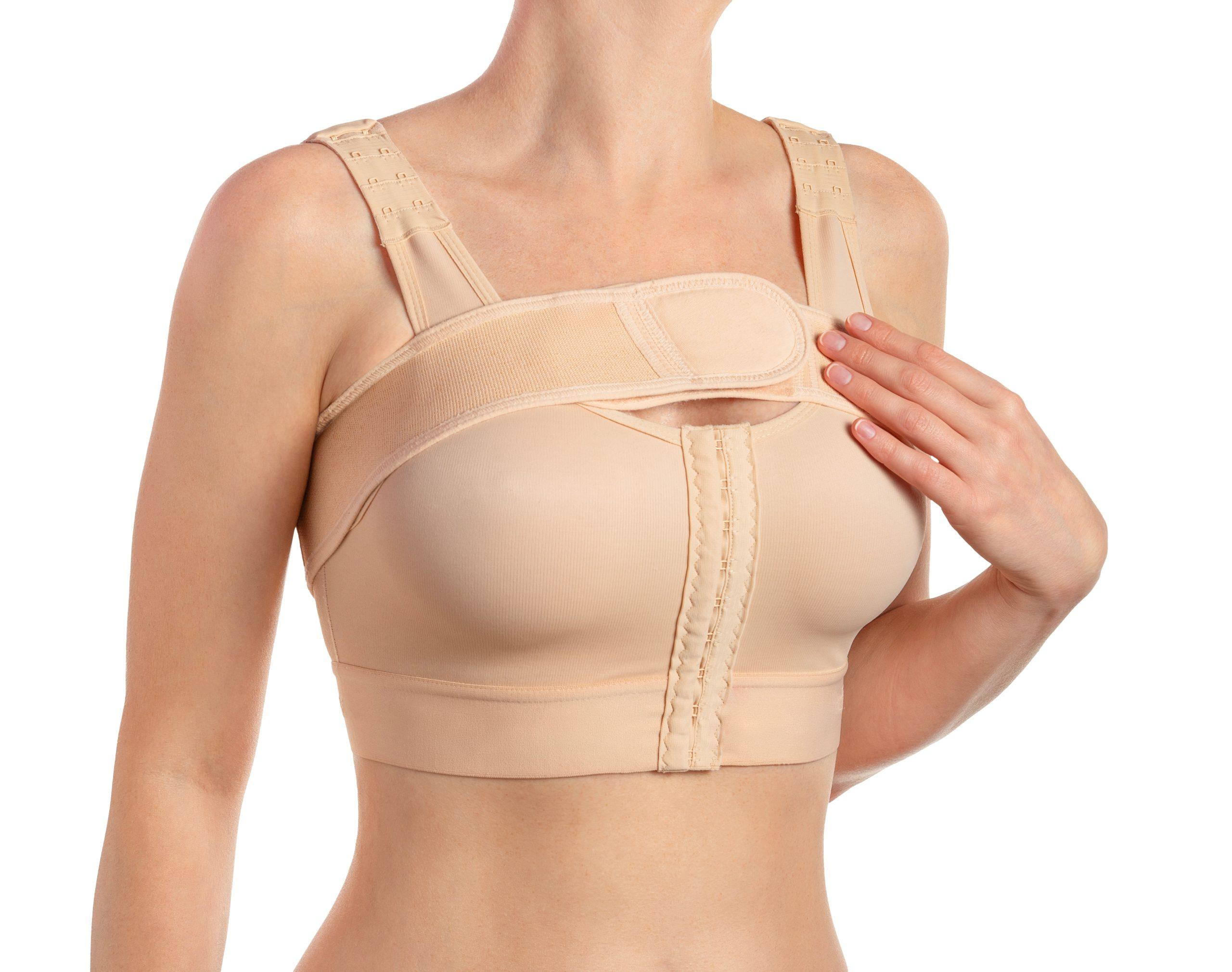
The recovery process after a breast lift varies but generally involves a period of rest and limited physical activity. Patients are advised to wear a supportive surgical bra or compression garment to minimize swelling and support healing. Discomfort, bruising, and swelling are common in the first few weeks but usually improve gradually. Most patients can return to work and light activities within one to two weeks, though strenuous exercise and heavy lifting are typically restricted for about four to six weeks. Surgeons emphasize the importance of following post-operative care instructions, including incision care, activity restrictions, and attending follow-up appointments to monitor healing and results.
Breast lift surgery offers both aesthetic and psychological benefits. It can improve breast symmetry, enhance body proportion, and restore confidence in one’s appearance. Many patients report feeling more comfortable in clothing, swimwear, and intimate settings after the procedure. While a breast lift does not stop natural aging or prevent future sagging, results are often long-lasting, especially when combined with a stable weight and healthy lifestyle.
Like any surgical procedure, a breast lift carries risks, including infection, changes in nipple sensation, scarring, asymmetry, and complications related to anesthesia. Choosing a qualified, experienced plastic surgeon and discussing individual risk factors and goals are essential for achieving safe and satisfying results. By carefully planning the procedure and adhering to post-operative care, patients can enjoy the transformative effects of a breast lift, enhancing both the appearance and confidence of the breasts.
In summary, breast lift surgery is a specialized procedure designed to elevate, reshape, and rejuvenate sagging breasts. Through careful preoperative assessment, precise surgical techniques, and attentive post-operative care, mastopexy restores a youthful breast contour while improving symmetry and overall appearance. Whether performed alone or in combination with breast augmentation, a breast lift can significantly enhance both the physical look and emotional confidence of patients seeking to address the effects of aging, pregnancy, or other life changes on their breasts.