English
 Arabic
 French
 Spanish
 Portuguese
 Deutsch
 Turkish
 Dutch
Dutch
 Italiano
 Russian
 Romaian
 Portuguese (Brazil)
 Greek
Greek
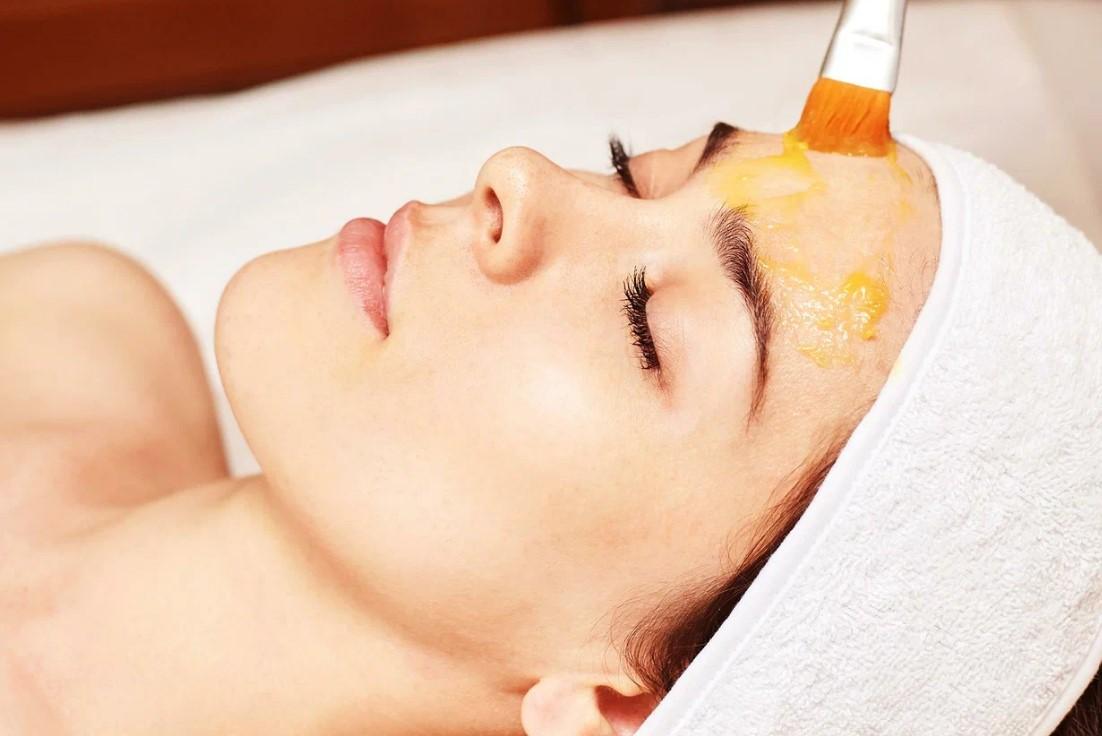
Chemical peels are a widely used dermatological treatment designed to improve the appearance and texture of the skin. At their core, chemical peels involve the application of a chemical solution to the skin, which causes controlled exfoliation and eventually leads to the shedding of the outermost layers. This process stimulates the regeneration of new skin cells, promoting a smoother, more even-toned complexion and addressing various skin concerns, including fine lines, wrinkles, acne scars, hyperpigmentation, and sun damage. The effectiveness of a chemical peel depends on several factors, including the type of chemical agent used, the concentration of the solution, and the depth of penetration into the skin. Understanding these basics helps individuals make informed decisions and achieve optimal results while minimizing potential risks. If you want smoother and more radiant skin, exploring Chemical Peels in Riyadh can be a transformative step in your skincare routine.
Chemical peels are generally categorized into three main types: superficial, medium, and deep peels. Superficial peels target only the outer layer of the skin, known as the epidermis. They are usually composed of mild acids such as alpha-hydroxy acids (AHAs), including glycolic acid and lactic acid, which are derived from natural sources like sugar cane and milk. Superficial peels are commonly used to treat minor skin imperfections, including dullness, uneven texture, and mild hyperpigmentation. Because they penetrate only the surface layer, they are considered safe for most skin types and require minimal downtime, making them suitable for individuals seeking a gentle refresh of their skin.
Medium chemical peels penetrate deeper into the skin, reaching the upper portion of the dermis. Trichloroacetic acid (TCA) is the most commonly used agent for medium peels. These peels are more effective in treating moderate skin concerns, such as pronounced sun damage, deeper wrinkles, and certain types of scars. Medium peels produce more noticeable results compared to superficial peels but also require longer recovery periods. After the procedure, the skin may appear red and peel for several days, and patients are advised to follow strict post-treatment care, including sun protection and moisturizing, to ensure proper healing and optimal outcomes.
Deep chemical peels penetrate the deepest layers of the skin and are typically used for severe skin damage or advanced signs of aging. Phenol is the primary agent in deep peels, known for its potent exfoliating properties and dramatic results. These peels can significantly reduce deep wrinkles, severe sun damage, and prominent scars. Due to their intensity, deep peels involve a longer recovery period and carry a higher risk of complications, including changes in skin pigmentation, scarring, and infection. They are usually performed under professional medical supervision, and careful pre- and post-procedure management is essential to minimize risks.
The process of a chemical peel begins with a thorough skin assessment by a trained professional to determine the appropriate type and strength of the peel. The skin is cleansed to remove oils, makeup, and impurities, and the chemical solution is then applied evenly across the treatment area. The solution causes controlled irritation, which stimulates the skin’s natural healing process. Depending on the peel type, the solution may be neutralized or allowed to penetrate for a specified duration. Following the treatment, the skin may appear red, feel tight, and eventually start to peel. New, rejuvenated skin emerges as the damaged outer layers slough off, revealing improved texture and tone.
While chemical peels offer many benefits, they are not suitable for everyone. Individuals with certain skin conditions, such as active infections, eczema, or severe acne, may need to avoid peels or undergo specialized preparation before treatment. Additionally, people with darker skin tones must take extra precautions, as deeper peels may increase the risk of hyperpigmentation or uneven skin tone. Consulting with a qualified dermatologist or licensed aesthetician is crucial to assess individual skin needs, determine the appropriate peel type, and develop a personalized treatment plan.
Aftercare is a critical aspect of the chemical peel process. Patients are advised to avoid direct sun exposure, apply broad-spectrum sunscreen, and use gentle skincare products to support healing. Proper hydration and adherence to post-treatment instructions enhance the longevity of results and reduce the likelihood of complications. Multiple sessions may be recommended for certain conditions to achieve optimal outcomes, and maintenance treatments can help sustain the skin’s renewed appearance over time.
In summary, chemical peels are a versatile and effective skin treatment that works by promoting the exfoliation of damaged skin layers and stimulating the regeneration of healthy skin. By understanding the different types of peels, their mechanisms, benefits, and potential risks, individuals can make informed decisions and enjoy healthier, smoother, and more youthful-looking skin. The combination of professional guidance, careful selection, and diligent aftercare ensures that chemical peels remain a safe and powerful option for skin rejuvenation.