English
 Arabic
 French
 Spanish
 Portuguese
 Deutsch
 Turkish
 Dutch
Dutch
 Italiano
 Russian
 Romaian
 Portuguese (Brazil)
 Greek
Greek
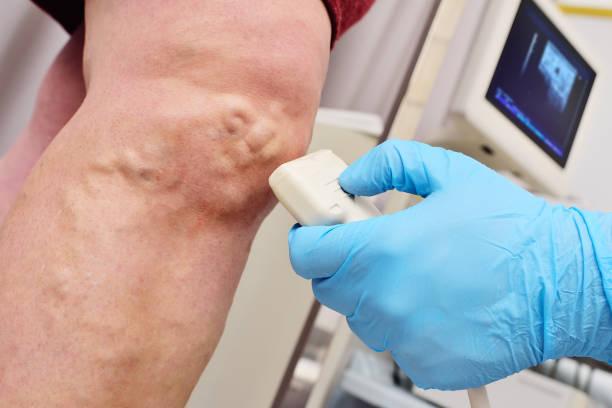
The days following a vascular intervention are just as critical as the procedure itself for ensuring a permanent and aesthetically pleasing result. For those undergoing varicose veins treatment in Dubai, recovery is no longer defined by bed rest, but by a "dynamic" approach to healing that prioritizes movement and tissue support. In 2026, the clinical focus has shifted toward minimizing the "inflammatory window" that occurs as the body begins to reabsorb the closed vein. By following a structured care plan that includes medical-grade compression and specific circulatory exercises, patients can avoid the common pitfalls of localized swelling or skin staining. This guide details the essential recovery milestones and self-care strategies required to protect your surgical investment and achieve a rapid return to your active Dubai lifestyle.
A successful recovery is a biological partnership where clinical intervention meets patient discipline to ensure the legs remain light, clear, and healthy.
Immediate Post-Procedural Care Protocols
The first 48 hours are the foundation of your recovery, during which the treated vein must remain "collapsed" to ensure a permanent seal.
Why Is Walking Immediately After the Procedure Mandatory?
Walking acts as a natural pump for the deep venous system, preventing blood from becoming stagnant. We observe that walking for 15 minutes immediately after treatment reduces the risk of deep vein thrombosis (DVT) and helps the healthy veins adapt to their new, increased workload. It is the most vital safety step in modern recovery.
How Long Should Compression Stockings Be Worn for Best Results?
For the first 7 to 10 days, compression stockings provide the mechanical pressure needed to keep the treated vein empty of blood. Based on post-procedure follow-ups, wearing them consistently—especially during the day when you are upright—prevents "re-filling" of the vein, which significantly reduces post-operative bruising and ensures a smoother leg contour.
Managing Physical Sensations During Healing
As the body processes the closed vein, you will experience several predictable sensations that indicate the healing process is on track.
What Is the "Tight Cord" Feeling in the Thigh?
About 5 to 10 days after laser treatment, you may feel a firm, cord-like sensation along the path of the treated vein. We observe that this is a positive sign of "fibrosis," meaning the vein is successfully turning into scar tissue. This tightness usually resolves within a few weeks as the tissue softens.
How Can Patients Manage Minor Post-Treatment Bruising?
Minor bruising at the injection sites or along the vein is a standard inflammatory response. Based on clinical observations, applying topical Arnica gel or Vitamin K cream can help the skin clear these marks faster. Walking also helps by improving localized blood flow, which carries away the metabolic byproducts of the bruising.
Is Nighttime Leg Cramping Normal During the First Week?
Some patients experience mild "charley horses" or twitching as the nerves near the treated vein adjust to the internal changes. We observe that staying well-hydrated and performing light ankle rotations before bed significantly minimizes these sensations. These cramps are temporary and typically vanish as the localized swelling around the vein subsides.
Lifestyle Adjustments for Long-Term Success
While modern treatments allow for an immediate return to work, certain environmental factors must be managed during the first month.
-
Heat Avoidance: Steer clear of saunas, hot tubs, and direct sun exposure on the legs for at least 14 days. Heat causes vasodilation, which can trigger swelling.
-
Elevation Habits: When sitting, keep your legs elevated above your heart level for 15 minutes twice a day to assist lymphatic drainage.
-
Hydration Discipline: Drink 2.5 liters of water daily to maintain healthy blood viscosity and support the kidneys in processing the medications used during treatment.
Why Should High-Impact Exercise Be Delayed for Two Weeks?
Activities like heavy weightlifting or high-speed running cause a sudden "spike" in venous pressure. We observe that these surges can potentially compromise the internal seal of the newly closed vein before it has fully matured. Sticking to brisk walking during this window ensures a safe and stable closure.
How Does Air Travel Affect Recovery in the First Month?
The pressurized cabin and prolonged immobility of flying can increase the risk of blood clots during the early healing phase. Based on post-procedure follow-ups, we recommend waiting at least 7 to 10 days before taking a flight longer than four hours. Always wear your compression stockings and walk the aisle frequently if you must fly.
Social Proof: Real Patient Perspectives
-
"I was worried that the recovery would be painful, but it was just a bit of tightness, like I had worked out my legs too hard. I wore my stockings for the full ten days, and I think that’s why I had almost no bruising. My legs feel so much lighter now." — Hana
-
"The clinic's advice on walking every hour was great. I went back to my office job the next day and just made sure to walk to the water cooler every 30 minutes. The firm 'string' feeling in my leg went away after about three weeks." — Youssef
Suitability and Long-Term Care Standards
The recovery phase is also the time to implement habits that prevent new varicose veins from developing in the future.
Can Patients with Sensitive Skin Use Compression Stockings?
Yes, modern medical stockings are available in hypoallergenic, breathable fabrics like silk-infused cotton or microfiber. We observe that patients with sensitive skin benefit from applying a light, fragrance-free moisturizer after removing the stockings at night. This prevents itching and keeps the skin barrier healthy during the 10-day compression period.
What Are the Signs That Recovery Is Moving Too Slowly?
If you notice increasing redness, severe pain that doesn't respond to Panadol, or a fever, you should contact your specialist immediately. Based on clinical observations, these are rare but important signs of localized inflammation or infection. Most recoveries are uneventful, but having a clear "red-flag" guide ensures total patient safety.
Why Choose Tajmeels Clinic for Expert Aftercare?
A successful transformation relies on a clinical team that remains dedicated to your progress long after the procedure is finished. At Tajmeels Clinic, we treat the "Recovery and Care" phase as a vital component of your varicose veins treatment in Dubai, providing every patient with a personalized 2026-standard healing roadmap. Our expert specialists offer detailed guidance on compression logistics, anti-inflammatory nutrition, and mobility protocols to ensure your results are both rapid and permanent. We provide a professional and empathetic environment where your post-operative follow-up includes high-definition ultrasound verification to confirm that your vascular system is healing perfectly. By choosing our specialized team, you are ensuring that your journey to healthier legs is supported by the highest level of medical integrity and grounded clinical care. We invite you to experience a refined and expertly managed recovery at Tajmeels Clinic.
FAQs
Can I shower the day after my vein treatment?
Yes, you can usually shower 24 hours after the procedure. However, you should avoid scrubbing the injection sites and keep the water temperature lukewarm. Pat the skin dry gently rather than rubbing it. Avoid soaking in a bath or swimming in a pool for at least 7 to 10 days to ensure the puncture sites are fully closed.
Will the treated vein leave a permanent "hard" spot?
The "hardness" you feel is the vein turning into scar tissue. This is a normal part of the body's healing mechanism. We observe that these spots are not permanent; the body will slowly break down this tissue over 3 to 6 months until it is completely reabsorbed and no longer palpable under the skin.
What if my stockings feel too tight at night?
Most specialists recommend removing the compression stockings before sleep unless you have been specifically told otherwise. If they feel uncomfortably tight during the day, ensure they are not "rolling" at the top or bunching behind the knee, as this can restrict circulation rather than help it.
Do I need to take time off work for recovery?
Most patients return to work the very next day, especially those in office-based roles. If your job involves heavy lifting or standing for more than 6 hours without breaks, we may recommend 2 or 3 days of light duty. Modern non-surgical treatments are designed to minimize life disruption.
Is it normal for the leg to itch under the stockings?
Mild itching is common as the skin reacts to the compression fabric and as the internal inflammation begins to resolve. We observe that using a cooling, aloe-based gel after you take your stockings off in the evening can provide significant relief. If the itching is accompanied by a rash, contact your clinic for a fabric alternative.
How soon will the visible "bulge" go away?
While the pressure is relieved immediately, the physical bulge may take 2 to 4 weeks to flatten completely. The body must first drain the trapped blood and then begin the process of shrinking the vein wall. You will see the most significant cosmetic improvement between the first and second month post-treatment.