English
 Arabic
 French
 Spanish
 Portuguese
 Deutsch
 Turkish
 Dutch
Dutch
 Italiano
 Russian
 Romaian
 Portuguese (Brazil)
 Greek
Greek
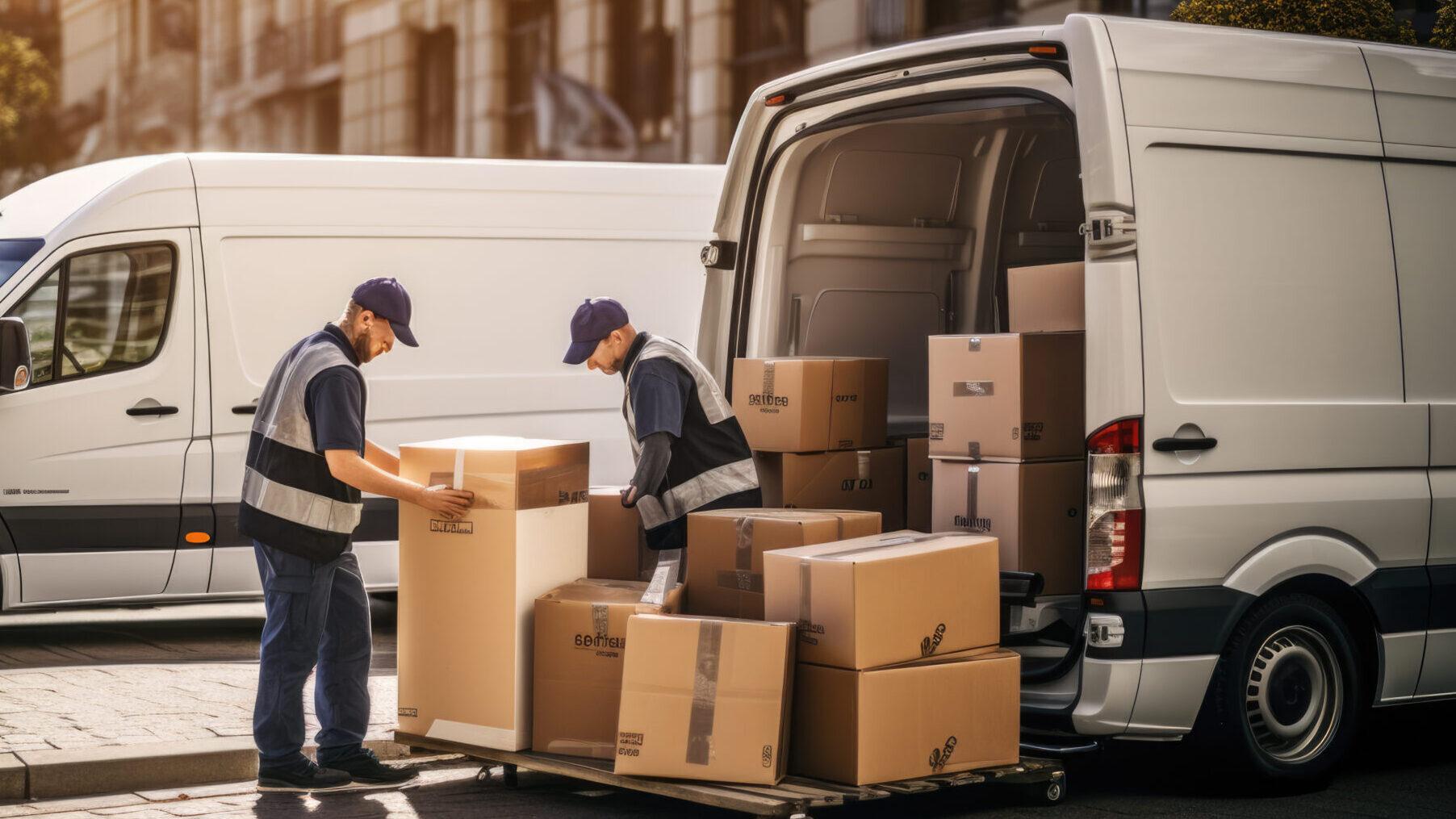
In today’s fast-paced e-commerce ecosystem, timely shipping is no longer a luxury, it’s an expectation. With services like next day delivery in India becoming increasingly common, customers have grown accustomed to rapid order fulfillment. When deliveries are delayed, it not only disrupts operations but also significantly affects customer trust and long-term loyalty.
The Growing Importance of Timely Deliveries
Modern consumers prioritize convenience and speed. The rise of same-day and next-day shipping options has redefined customer expectations across industries. Businesses are now judged not just by product quality or price, but also by how quickly they can deliver.
Late deliveries create a mismatch between expectation and experience. Even a slight delay can feel significant to a customer who is used to fast, predictable shipping timelines. This gap often leads to dissatisfaction, especially when communication around the delay is unclear or absent.
Impact on Customer Trust
Trust is one of the most critical pillars of any customer-business relationship. When a brand promises delivery within a specific timeframe and fails to meet it, customers begin to question its reliability.
Repeated delays can lead to:
- Reduced confidence in the brand’s operational efficiency
- Doubts about order handling and logistics capabilities
- Increased hesitation in placing future orders
Customers tend to associate delivery performance with overall professionalism. A single poor experience may be forgiven, but consistent delays can permanently damage credibility.
Influence on Customer Loyalty
Customer loyalty is built over time through consistent and positive experiences. Late deliveries disrupt this process and can quickly erode loyalty.
Here’s how delays impact retention:
- Customers may switch to competitors offering faster shipping
- Negative experiences can outweigh previous positive interactions
- Loyalty programs and discounts lose effectiveness if delivery fails
In competitive markets, customers have multiple alternatives. If one brand cannot meet expectations, switching costs are minimal, making it easier for customers to move elsewhere.
Negative Word-of-Mouth and Reviews
Delayed deliveries often lead to negative feedback, both online and offline. Customers today actively share their experiences on social media, review platforms, and forums.
Consequences include:
- Poor ratings affecting brand perception
- Loss of potential customers due to negative reviews
- Increased pressure on customer support teams
A single delayed shipment can reach a wide audience, amplifying its impact beyond just one customer.
Operational and Financial Implications
Late deliveries don’t just affect customer perception, they also have direct business implications.
These include:
- Higher return rates due to missed delivery expectations
- Increased customer service costs for handling complaints
- Possible compensation or refunds
Additionally, inefficiencies in logistics can create bottlenecks, affecting overall supply chain performance and profitability.
Strategies to Minimize Delivery Delays
To maintain trust and loyalty, businesses must focus on improving delivery performance. Some key strategies include:
- Optimizing logistics networks: Partnering with multiple courier providers to ensure flexibility
- Real-time tracking: Providing customers with accurate shipment updates
- Inventory management: Maintaining stock closer to demand locations
- Transparent communication: Informing customers proactively about delays
Leveraging technology and logistics aggregation platforms can significantly improve delivery timelines and reliability.
Conclusion
Late deliveries are more than just operational setbacks, they directly influence how customers perceive and interact with a brand. In an era where next day delivery in India is becoming the norm, businesses must prioritize speed, accuracy, and communication to stay competitive. By addressing delays proactively and optimizing logistics strategies, companies can protect customer trust, enhance loyalty, and ensure long-term growth.