English
 Arabic
 French
 Spanish
 Portuguese
 Deutsch
 Turkish
 Dutch
Dutch
 Italiano
 Russian
 Romaian
 Portuguese (Brazil)
 Greek
Greek
Understanding the Science of Fat Grafting and Harvesting
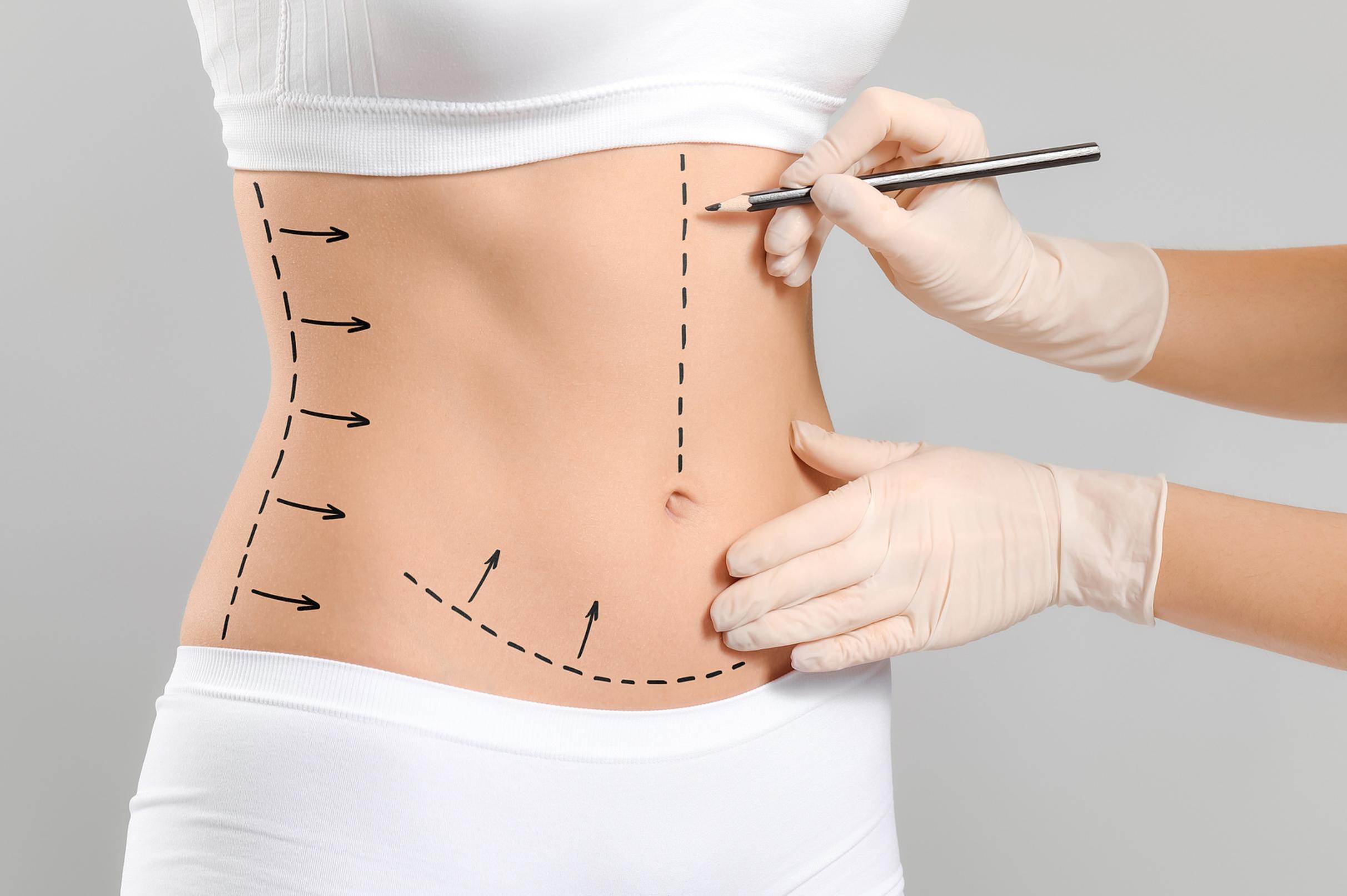
The medical field has made incredible strides in understanding how to use the body’s own adipose tissue as a versatile tool for reconstruction and aesthetic enhancement. Fat Transfer Surgery in Riyadh is rooted in the complex biological principles of cell survival and tissue integration. Often referred to as fat grafting or lipofilling, the science involves more than just moving fat from one place to another; it requires a sophisticated three-stage process of harvesting, purification, and strategic reinjection. By treating fat as a living graft rather than a simple filler, surgeons can achieve permanent volume restoration that behaves harmoniously with the patient’s existing anatomy. The goal is to ensure that the transferred fat cells, or adipocytes, remain viable and develop a new blood supply in their new location to ensure long-term success.
The Delicate Process of Harvesting
The first scientific hurdle in fat grafting is the extraction of the fat cells without damaging their delicate structures. Traditional high-pressure liposuction, while effective for body contouring, can sometimes be too aggressive for grafting purposes, as it may rupture the cell membranes. In advanced fat grafting, surgeons use specialized low-pressure vacuum techniques and specific cannulas—thin, hollow tubes with rounded tips—to gently "tease" the fat away from the surrounding connective tissue.
The choice of the donor site is also a scientific consideration. Research suggests that fat harvested from certain areas, such as the outer thighs or the abdomen, may have higher concentrations of stable fat cells or a greater abundance of regenerative components. By carefully selecting the site and using a gentle manual or machine-assisted technique, the medical team ensures that the starting material is of the highest possible quality, which is the foundation for a successful graft.
Purification and Concentration of the Graft
Once the fat is removed from the body, it is not yet ready for reinjection. The raw aspirate contains a mixture of intact fat cells, broken lipids (oils), blood, and the tumescent fluid used during the harvesting process. To ensure the best results, the fat must be purified. This is typically done through centrifugation or specialized filtration systems. Centrifugation spins the mixture at high speeds, using G-force to separate the components into distinct layers based on their density.
The "liquid gold" that remains is a concentrated mass of healthy, intact adipocytes and a potent "stromal vascular fraction" (SVF). This fraction is scientifically significant because it is rich in mesenchymal stem cells, pericytes, and various growth factors. These elements are crucial because they signal the body to begin the healing process and encourage the growth of new blood vessels. This purification step ensures that only the most robust and regenerative material is used, significantly increasing the likelihood that the graft will "take" and persist over time.
Revascularization: The Key to Permanence
The most critical scientific phase of the procedure is the reinjection, or the "grafting" itself. Unlike a synthetic filler, which simply occupies space, a fat graft must become a living part of the recipient site. This happens through a process called revascularization, where the body grows new capillaries into the transferred fat droplets. If too much fat is injected into one spot, the cells in the center of the mass will be cut off from oxygen and nutrients, leading to cell death and the formation of oil cysts.
To prevent this, surgeons employ the "micro-droplet" or "aliquot" technique. By injecting tiny amounts of fat in multiple passes and across different tissue planes, they maximize the surface area of the graft that is in contact with the surrounding healthy tissue. This ensures that every cell is within a few millimeters of a blood supply. Over the following weeks, a complex biological dialogue occurs between the graft and the host tissue, eventually leading to the permanent integration of the fat into the body's natural structure.
The Role of Stem Cells in Tissue Health
Beyond simple volume, the science of fat grafting is increasingly focused on the regenerative potential of the stem cells contained within the fat. These cells have the unique ability to differentiate into various cell types and secrete anti-inflammatory and pro-angiogenic (vessel-forming) factors. This explains why fat grafting often results in improved skin texture and thickness in the treated area—a phenomenon that synthetic fillers cannot replicate.
This regenerative capacity is what allows fat grafting to be used for more than just cosmetic enhancement; it is a vital tool for softening scar tissue, repairing damage from radiation therapy, and improving the health of the skin envelope. As our understanding of these cellular mechanisms grows, fat transfer continues to evolve as a sophisticated biological therapy. By respecting the science of the cell, practitioners are able to provide patients with results that are not only beautiful but are supported by the body's own natural healing and growth systems.