English
 Arabic
 French
 Spanish
 Portuguese
 Deutsch
 Turkish
 Dutch
Dutch
 Italiano
 Russian
 Romaian
 Portuguese (Brazil)
 Greek
Greek
Breast Filler Injections vs Breast Implants: What You Need to Know
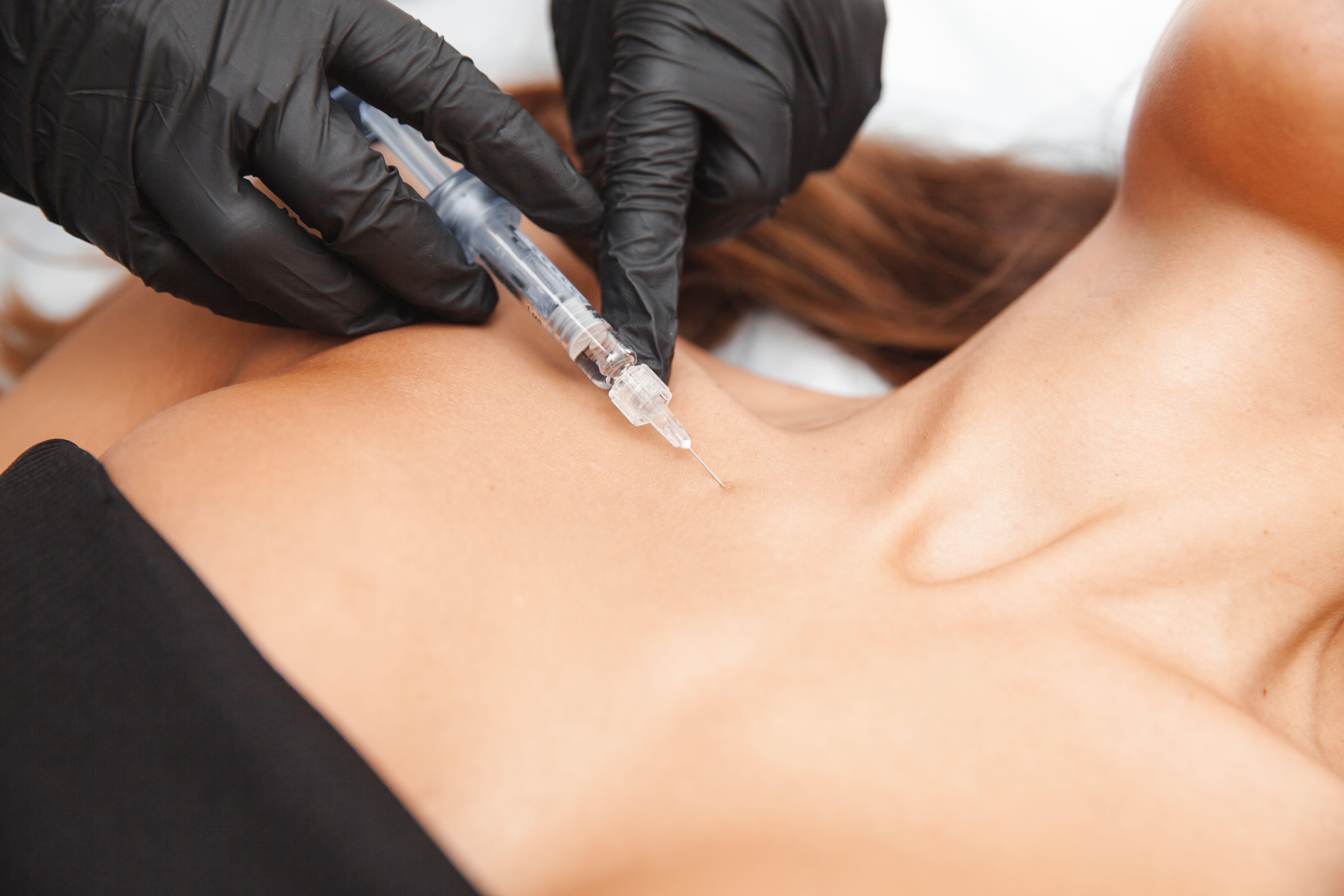
Breast enhancement procedures have become increasingly popular among individuals seeking to improve breast shape, volume, and symmetry. Two commonly discussed options are breast filler injections and breast implants. While both aim to enhance breast appearance, they differ significantly in method, longevity, safety profile, and results. Understanding these differences is essential for anyone considering breast augmentation. Breast filler injections in Riyadh are becoming a popular non-surgical option for individuals seeking subtle and natural-looking breast enhancement results.
What Are Breast Filler Injections?
Breast filler injections refer to a non-surgical breast augmentation method that uses injectable substances to temporarily increase breast volume. These fillers are often made from substances such as hyaluronic acid or other gel-like materials designed to add subtle fullness to the breasts.
The procedure involves injecting the filler into specific areas of the breast tissue using fine needles or cannulas. It is typically performed under local anesthesia and does not require large incisions or general anesthesia. Because it is minimally invasive, breast filler injections are often marketed as a “lunchtime procedure,” meaning patients can return to daily activities relatively quickly.
Breast filler injections are generally chosen by individuals who want a modest increase in breast size, improved symmetry, or temporary enhancement without undergoing surgery. However, the results are not permanent and usually last anywhere from several months to around two years, depending on the type of filler used and the individual’s metabolism.
What Are Breast Implants?
Breast implants are a surgical breast augmentation option that involves placing silicone or saline implants inside the breast tissue or beneath the chest muscle. This procedure is performed by a qualified plastic surgeon under general anesthesia.
There are two main types of breast implants: silicone implants filled with cohesive silicone gel and saline implants filled with sterile salt water. Silicone implants are often preferred for their natural feel, while saline implants allow for smaller incisions and adjustable volume.
The surgical process typically involves making an incision under the breast, around the areola, or in the armpit. The implant is then inserted and positioned to achieve the desired shape and size. Recovery time is longer compared to filler injections, usually requiring several weeks for full healing.
Breast implants are designed for long-term results and can last 10 to 20 years or more, although they may eventually need replacement or revision surgery.
Key Differences Between Breast Filler Injections and Implants
One of the main differences between breast filler injections and implants is the level of invasiveness. Breast filler injections are non-surgical, requiring only injections, while breast implants involve surgery, incisions, and anesthesia.
Another major difference is the duration of results. Fillers provide temporary enhancement, typically lasting up to a couple of years, whereas implants offer long-lasting or permanent results with proper maintenance.
In terms of results, breast implants generally provide a more significant and noticeable increase in breast size. They are better suited for individuals seeking dramatic enhancement. Breast filler injections, on the other hand, offer subtle, natural-looking improvements and are ideal for those who want minimal change or are testing how they feel about breast augmentation.
Recovery time also differs greatly. Breast filler injections involve minimal downtime, with most people resuming normal activities within a day or two. Breast implant surgery requires a longer recovery period, often including several weeks of restricted physical activity and post-operative care.
Safety considerations also vary. Breast filler injections carry risks such as swelling, uneven results, infection, or filler migration. However, these risks are generally lower due to the non-surgical nature of the procedure. Breast implants carry surgical risks such as anesthesia complications, scarring, implant rupture, capsular contracture, and the possibility of additional surgeries in the future.
Which Option Is Better?
Choosing between breast filler injections and breast implants depends on individual goals, lifestyle, budget, and tolerance for surgery. Breast filler injections are suitable for those seeking temporary, subtle enhancement with minimal downtime. They are also appealing for individuals who are not ready for surgery or want to “try out” a new breast size.
Breast implants are better suited for individuals looking for long-term, more noticeable results. They are a more established and widely used method of breast augmentation, offering predictable outcomes and a wide range of size and shape options.
Conclusion
Breast filler injections and breast implants both serve the purpose of enhancing breast appearance, but they differ significantly in approach and outcome. Fillers offer a non-surgical, temporary, and subtle solution, while implants provide a surgical, long-term, and more dramatic transformation. Anyone considering breast augmentation should carefully evaluate both options and consult a qualified medical professional to determine the most suitable choice based on their personal goals and health considerations.