English
 Arabic
 French
 Spanish
 Portuguese
 Deutsch
 Turkish
 Dutch
Dutch
 Italiano
 Russian
 Romaian
 Portuguese (Brazil)
 Greek
Greek
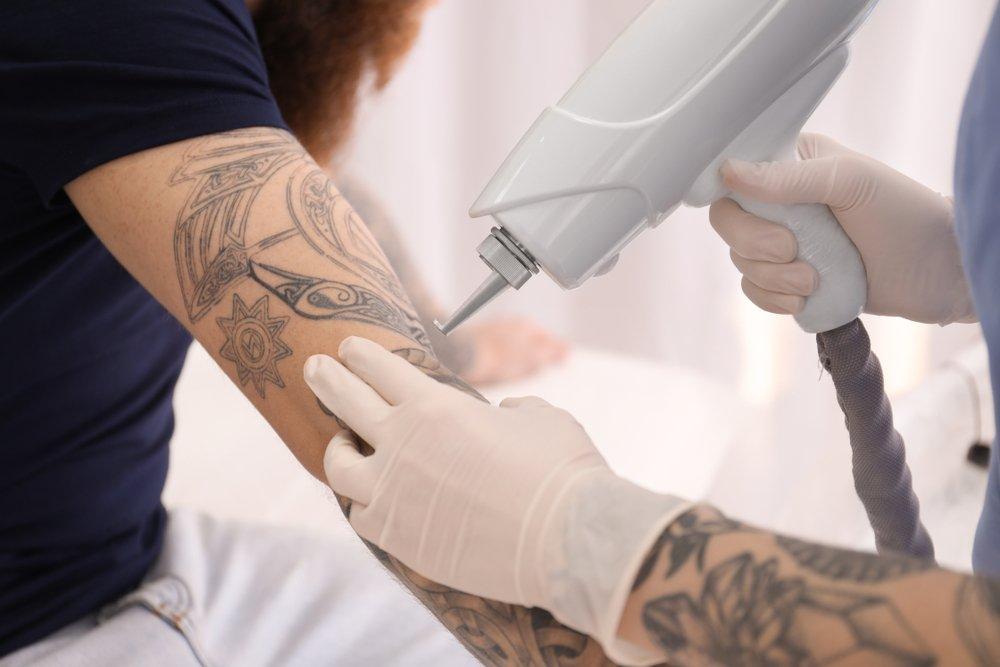
How Tattoo Removal Works: Methods Available in Riyadh (Complete Guide)
Tattoo removal has become increasingly popular in recent years, especially in major cities like Riyadh where advanced dermatology clinics offer modern solutions. Whether due to lifestyle changes, professional reasons, or personal preference, many people now seek safe and effective ways to remove unwanted ink. This guide explains how tattoo removal works, the methods available in Riyadh, and what you can expect from the process. If you're considering tattoo removal in Riyadh, it's important to understand the process, safety, and expected results before starting.
What Is Tattoo Removal?
Tattoo removal is a medical or cosmetic procedure designed to eliminate or significantly fade permanent ink embedded in the skin. Tattoo ink sits in the dermis (the second layer of skin), making it difficult to remove without specialized techniques.
Modern treatments aim to break down the ink particles so the body can naturally eliminate them over time.
How Tattoo Removal Works
The most common principle behind tattoo removal is breaking down ink particles into smaller fragments. Once fragmented, the body’s immune system gradually clears these particles through natural processes.
Key Mechanism:
- Tattoo ink absorbs energy (usually from laser light)
- Ink particles shatter into tiny fragments
- The immune system removes these fragments over time
This process is gradual, which is why multiple sessions are required for complete removal.
Main Tattoo Removal Methods in Riyadh
Clinics in Riyadh offer several tattoo removal options. However, not all methods are equally effective or safe.
1. Laser Tattoo Removal (Most Popular)
Laser tattoo removal is the gold standard treatment in Riyadh and worldwide.
How It Works:
Laser devices emit high-intensity light pulses that target tattoo pigments without damaging surrounding skin. These pulses break the ink into microscopic particles.
Types of Lasers Used:
- Q-switched lasers – Traditional and widely used
- Picosecond lasers – Advanced technology with faster results
Benefits:
- Non-invasive and safe
- Effective on most ink colors
- Minimal scarring risk
- Suitable for different skin types
Drawbacks:
- Requires multiple sessions (typically 4–12)
- Can be mildly painful
- Results vary depending on ink color and depth
Laser removal is widely available across Riyadh clinics and is considered the most reliable method.
2. Surgical Excision
Surgical removal involves cutting out the tattooed skin and stitching the area closed.
How It Works:
- The tattoo is physically removed using a scalpel
- Skin is stitched back together
Best For:
- Small tattoos
- Areas where scarring is acceptable
Pros:
- Immediate removal
- Permanent results
Cons:
- Leaves a scar
- Not suitable for large tattoos
This method is less common in Riyadh but still offered in specialized cases.
3. Dermabrasion
Dermabrasion is a technique that removes the top layers of the skin to reduce tattoo visibility.
How It Works:
- A rotating device sands the skin
- This triggers healing and pigment fading
Pros:
- Can lighten tattoos
Cons:
- Painful procedure
- Higher risk of scarring
- Less effective than lasers
Due to its risks and lower success rate, dermabrasion is rarely the first choice today.
4. Chemical or Topical Methods
Some clinics or products claim to remove tattoos using creams or chemical treatments.
Reality Check:
- Most creams are ineffective
- They do not reach deep enough to remove ink
Risks:
- Skin irritation
- Burns or scarring
Experts generally do not recommend these methods for complete tattoo removal.
Factors That Affect Tattoo Removal Success
Tattoo removal results vary from person to person. Clinics in Riyadh evaluate several factors before treatment:
1. Ink Color
- Black ink is easiest to remove
- Colors like green, yellow, and white are more difficult
2. Tattoo Age
Older tattoos fade faster because ink has already started breaking down.
3. Skin Type
Darker skin tones require specialized laser settings to avoid pigmentation issues.
4. Tattoo Depth and Size
Deeper and larger tattoos require more sessions.
What to Expect During Treatment in Riyadh
Before Treatment:
- Consultation with a dermatologist
- Skin and tattoo assessment
During Treatment:
- Laser pulses applied to the tattoo
- Session lasts 15–60 minutes
After Treatment:
- Mild redness or swelling
- Gradual fading over weeks
Sessions are usually spaced 6–8 weeks apart to allow healing and ink removal.
Safety and Regulations in Riyadh
Tattoo removal in Riyadh is typically performed under strict medical standards. Patients are advised to:
- Choose licensed dermatology clinics
- Ensure practitioners are qualified
- Follow aftercare instructions carefully
Clinics often follow guidelines set by Saudi health authorities to ensure patient safety.
Conclusion
Tattoo removal in Riyadh has evolved significantly with the introduction of advanced laser technologies. While multiple methods exist, laser tattoo removal remains the most effective, safe, and widely used option. Other techniques like surgical excision and dermabrasion are available but are generally reserved for specific cases.
Understanding how tattoo removal works and selecting the right method can help you achieve the best results. Always consult a qualified professional in Riyadh to determine the most suitable treatment plan for your skin and tattoo type.