English
 Arabic
 French
 Spanish
 Portuguese
 Deutsch
 Turkish
 Dutch
Dutch
 Italiano
 Russian
 Romaian
 Portuguese (Brazil)
 Greek
Greek
Non-Surgical Management: Can Lipomas Shrink on Their Own?
Lipoma Treatment in Riyadh often begins with a hopeful question: is it possible to get rid of these fatty lumps without an incision? For many, the idea of a non-invasive solution—such as diet, exercise, or topical treatments—is highly appealing. However, to manage expectations effectively, it is vital to understand the biological nature of a lipoma. Unlike generalized body fat that fluctuates with your lifestyle, a lipoma is an encapsulated, independent cluster of fat cells. Because these cells are "locked" within a fibrous sac, they do not typically respond to the metabolic signals that trigger fat burning in other parts of the body. While certain non-surgical interventions can manage the appearance or symptoms of a lipoma, true "shrinking" or total elimination almost always requires clinical intervention.
The Metabolism Myth: Why Exercise Doesn't Work
A common misconception is that a rigorous fitness regime or a significant drop in body fat percentage will cause a lipoma to disappear. While losing weight can reduce the overall "padding" around a lipoma, it rarely affects the growth itself.
-
Metabolic Isolation: The fat cells within a lipoma are metabolically distinct from the subcutaneous fat used for energy. Even in cases of extreme weight loss, a lipoma often remains the same size, sometimes becoming even more visible as the surrounding tissue thins out.
-
The Capsule Barrier: The fibrous capsule surrounding the lipoma acts as a physical barrier, preventing the body’s natural lipolysis (fat-breaking) processes from accessing the cells inside. This is why "spot reduction" through exercise is a myth, especially when applied to encapsulated growths.
Steroid Injections: A Temporary Reduction
For patients who are not yet ready for surgery, steroid injections (often using triamcinolone acetonide) are sometimes used as a management tool.
-
How It Works: A professional injects a corticosteroid directly into the center of the fatty mass. This can lead to a localized atrophy (shrinking) of the fat cells.
-
The Limitations: While this can make a lipoma smaller and less noticeable, it rarely eliminates the growth entirely. Furthermore, the results are often temporary; once the effects of the steroid wear off, the lipoma may return to its original size.
-
Risks: Frequent injections in the same area can lead to skin thinning or localized discoloration, which is why this method is generally reserved for small lipomas in less visible areas.
Lipolysis Injections: Dissolving the Fat
An emerging non-surgical alternative involves the use of deoxycholic acid or similar fat-dissolving compounds. These are the same substances used in "double chin" treatments to break down submental fat.
-
The Process: The chemical is injected into the lipoma to break down the cell membranes of the fat cells, allowing the body to naturally reabsorb the debris.
-
The Success Rate: This can be effective for very small, soft lipomas. However, because the fibrous capsule remains intact, the "root" of the problem isn't removed. Without removing that capsule, the area may feel "lumpy" or the fat cells may eventually regenerate within the same pocket.
Observation and "Watchful Waiting"
In many clinical settings in Riyadh, the most common non-surgical "treatment" is simple observation. If a lipoma is small, painless, and not growing, it poses no health risk.
-
The Monitoring Phase: Patients are advised to check the lump every few months. If the size, color, or texture remains unchanged, no action is required.
-
The Turning Point: If the lipoma begins to cause pain (indicating nerve pressure) or starts to grow rapidly, the "watchful waiting" phase ends, and a discussion regarding removal techniques begins.
The Verdict on Natural Remedies
A quick search online often reveals "natural" cures ranging from apple cider vinegar to specific herbal salves. It is important to approach these with a critical eye. There is currently no scientific evidence that any topical cream or dietary supplement can penetrate the skin, bypass the fibrous capsule, and dissolve a lipoma. Using unverified home remedies can often lead to skin irritation or delay a necessary professional diagnosis, especially if the lump is not actually a lipoma but a more complex cyst or tumor.
Why Surgery Remains the Definitive Answer
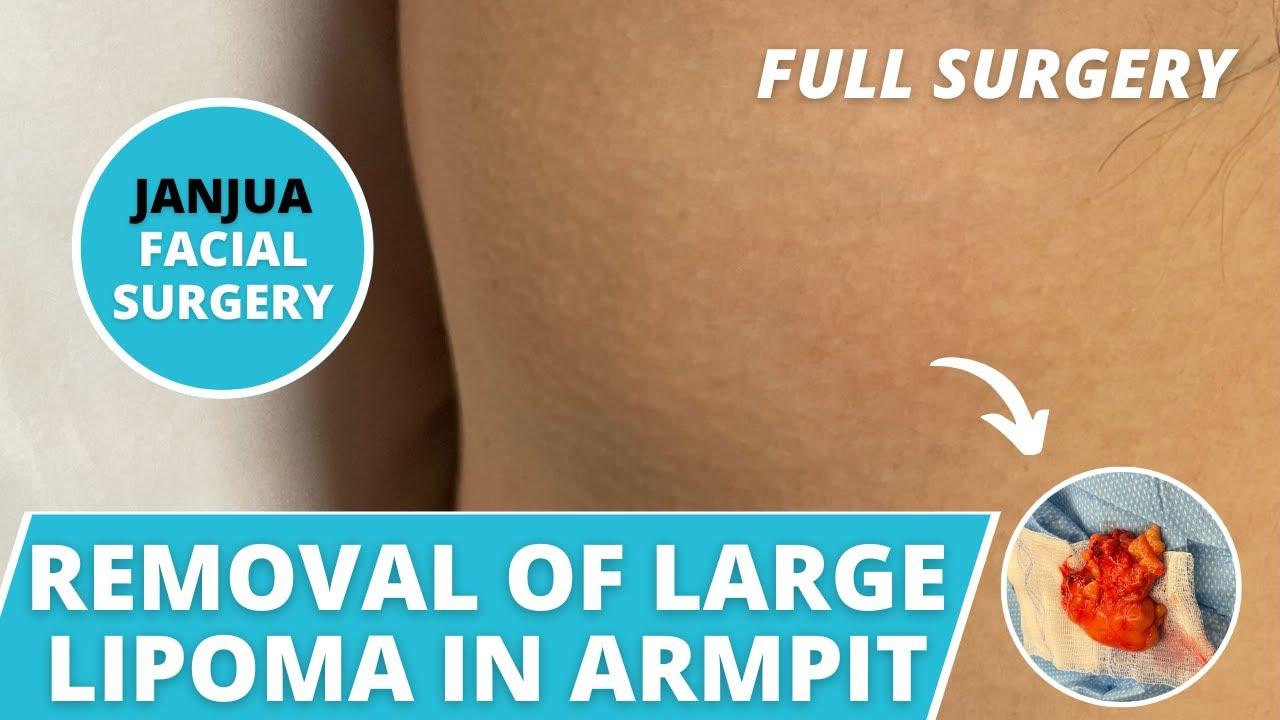
While non-surgical management can offer a temporary reprieve or help monitor a stable growth, it is rarely a permanent fix. The biological reality of the lipoma—as an encapsulated, separate entity—means that the only way to ensure it is gone for good is to physically remove the mass and its "container."
Modern Lipoma Treatment in Riyadh has made this process so minimally invasive that most surgical extractions are faster and have fewer side effects than a series of repeated chemical injections. By choosing a definitive removal method, you trade the uncertainty of "shrinking" for the certainty of a smooth, healthy profile. If a lipoma is bothering you, the most effective path is to skip the temporary fixes and opt for a professional solution that provides lasting peace of mind.