 English
 Arabic
 French
 Spanish
 Portuguese
 Deutsch
 Turkish
 Dutch
Dutch
 Italiano
 Russian
 Romaian
 Portuguese (Brazil)
 Greek
Greek
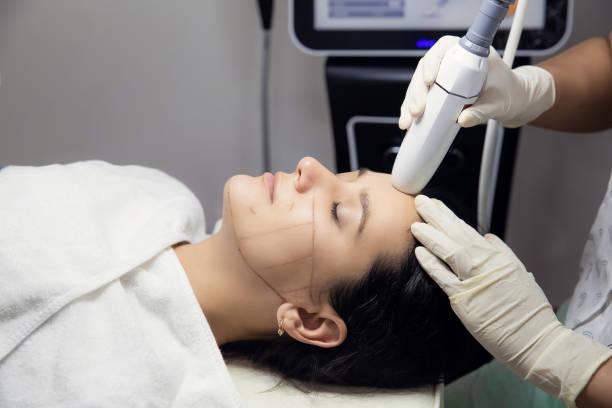
When it comes to aesthetic interventions, safety is the foundation upon which beauty is built. A Non-Surgical Facelift in Dubai is widely regarded as a low-risk alternative to traditional surgery, but "low-risk" does not mean "no-risk." Because this procedure involves the placement of medical-grade materials like Hyaluronic Acid and PDO threads into the deeper layers of the face, it requires a high level of clinical expertise and anatomical knowledge. In the UAE's regulated healthcare environment, patients have access to world-class safety standards. At Tajmeels Clinic, we find that a safe procedure is the result of three factors: high-quality materials, a sterile environment, and a practitioner who understands "danger zones." We provide a grounded, transparent approach to safety, ensuring you are fully informed before you begin your journey.
Common Side Effects
Most patients will experience minor, temporary reactions as the body responds to the presence of fillers or threads. We find that these are a normal part of the inflammatory healing process.
We observe that common side effects typically include:
-
Swelling and Redness: We find that this is most prominent in the first 48 hours and is a natural response to the needle entry points.
-
Bruising: We observe that minor "pinpoint" bruising is common, particularly around the jawline and temples.
-
Tenderness: The treated areas may feel sore or "tight" for a few days, especially when making wide facial expressions.
-
Minor Irregularities: We find that the skin may look slightly uneven for the first week as the filler integrates and the swelling subsides.
Based on post-procedure follow-ups, these effects are transient and usually resolve within 5 to 7 days without intervention. We find that "patience during the first week" is essential.
Rare Complications
While highly uncommon in a professional clinical setting, it is important to be aware of more significant risks associated with a Non-Surgical Facelift in Dubai.
We find that being proactive about rare risks is a hallmark of high-authority care. We observe:
-
Vascular Compromise: This occurs if filler accidentally enters a blood vessel. We find that expert practitioners use cannulas and "aspiration" techniques to prevent this.
-
Infection: We observe that maintaining a strictly sterile field is vital to prevent bacteria from entering the injection sites.
-
Thread Migration or Protrusion: We find that if a thread is placed too superficially, it can become visible. Proper depth placement is the only way to avoid this.
-
Nodules or Granulomas: We find that the body may occasionally form a small firm lump around the material, though this is rare with modern HA fillers.
Based on post-procedure follow-ups, we have protocols in place to address any irregularity immediately, ensuring your safety is never compromised.
Who Should Avoid Treatment
Safety also means knowing when not to treat. We find that certain "red flags" make a Non-Surgical Facelift in Dubai unsuitable for some individuals.
We find that contraindications include:
-
Active Infections: We observe that you must be free of any skin infections, cold sores, or systemic illnesses on the day of treatment.
-
Severe Allergies: We find that patients with a history of anaphylaxis to lidocaine or specific filler components should seek alternative treatments.
-
Clotting Disorders: We observe that those on heavy blood-thinning medications or with certain blood conditions face a higher risk of complications.
-
Unrealistic Expectations: We find that mental health and body image stability are part of our safety screening. If a patient expects a "surgical" result from a non-surgical tool, we will decline treatment.
Based on post-procedure follow-ups, an honest consultation is the best safety tool we possess. We find that "clinical refusal" is sometimes the most professional act a practitioner can perform.
Choosing a Qualified Provider
The safety of your Non-Surgical Facelift in Dubai is almost entirely dependent on the hands holding the tools. We find that patients should be diligent in their research.
How do I ensure my Non-Surgical Facelift in Dubai is safe?
We find that you should look for the following:
-
DHA Licensing: Ensure the clinic and the practitioner are fully licensed by the Dubai Health Authority.
-
Specialization: We observe that practitioners who specialize in "facial anatomy" provide a much higher safety margin.
-
Product Authenticity: We find that you should always ask to see the packaging of the fillers and threads to ensure they are FDA or CE-approved.
-
Emergency Protocols: We observe that a safe clinic always has "dissolving agents" (Hyaluronidase) on hand in case of an emergency.
Based on post-procedure follow-ups, a provider who prioritizes safety over speed will always achieve a better long-term result. We find that "clinical integrity" is non-negotiable.
Warning Signs After Treatment
While we provide a supportive environment for recovery, we find it vital that patients know when to contact us immediately.
We find that you should call the clinic if you experience:
-
Skin Blanching (Whitening): If an area of skin looks pale or mottled and feels cold, this requires immediate attention.
-
Increasing Pain: We observe that pain should decrease over time; if it increases significantly after 24 hours, it must be checked.
-
Severe Heat or Pus: We find that these are signs of potential infection.
-
Vision Changes: Any change in vision following a facial injection is a medical emergency.
Based on post-procedure follow-ups, we provide every patient with an emergency contact number to ensure "round-the-clock peace of mind." We find that "rapid response" is a key pillar of our safety mission.
Why Choose Tajmeels Clinic
At Tajmeels Clinic, we provide a professional and empathetic environment where safety is our "North Star." We provide high-authority care by adhering to the strictest international sterilization protocols and using only the world’s most researched and safest materials. Our practitioners are experts in "Complication Management," meaning they are trained not just to perform the procedure, but to handle any eventuality with calm, clinical precision. We provide a grounded, supportive experience, ensuring that every safety question you have is answered with transparency and care. By choosing Tajmeels Clinic, you are opting for a practice that prioritizes "your health above all else."
Social Proof
"I was very nervous about the risks, but the doctor at Tajmeels took so much time to explain the anatomy and how they avoid the 'danger zones.' It made me feel so much more at ease knowing they have such strict safety protocols in place." — Sarah
"They actually turned me away the first time because I had a small cold sore. At first, I was annoyed, but then I realized they were just looking out for my safety. I came back two weeks later when I was healed, and the result was perfect. I trust them completely." — Mark
FAQs
Is the filler used at Tajmeels reversible?
Yes, we find that using Hyaluronic Acid (HA) fillers is the safest choice because they can be dissolved within minutes using a specialized enzyme. We observe that this provides an "undo button" that gives both the practitioner and the patient total peace of mind. Based on post-procedure follow-ups, this reversibility is a key safety feature. We find that "safety nets" are essential.
Are PDO threads safe for long-term use?
Yes, we find that PDO (Polydioxanone) has been used in cardiovascular surgery for decades and is one of the safest materials known to medicine. We observe that the body naturally breaks it down into water and carbon dioxide over 6 months. Based on post-procedure follow-ups, there are no long-term residues left in the body. We find that "biocompatibility" is a major safety advantage.
Can I have an MRI if I have threads and fillers?
Yes, we find that the materials used in a Non-Surgical Facelift in Dubai are non-metallic and do not interfere with MRI or CT scans. We observe that it is always good practice to inform your radiologist, but it is entirely safe. Based on post-procedure follow-ups, your internal imaging will not be affected. We find that "medical compatibility" is a standard feature.
Does the Dubai heat increase the risk of infection?
We find that the heat itself does not cause infection, but sweat and dust can. We observe that keeping the injection sites clean and staying in a cool environment for the first 24 hours is vital. Based on post-procedure follow-ups, following our hygiene protocols completely eliminates this risk. We find that "post-care hygiene" is the best defense.
Is it safe to get a facelift if I have a history of keloid scarring?
We find that because there are no surgical incisions, the risk is much lower than surgery. We observe, however, that we take extra care with the entry points. Based on post-procedure follow-ups, we often perform a "test point" for patients with a history of keloids. We find that "precautionary testing" is the safest path.
What is the most important safety tip you can give?
We find that the most important tip is: Never shop for the lowest price. We observe that "discount" fillers are often unregulated or injected by uncertified individuals. Based on post-procedure follow-ups, the cost of fixing a bad treatment is always higher than paying for a safe one the first time. We find that "quality over cost" is the ultimate safety rule.
