English
 Arabic
 French
 Spanish
 Portuguese
 Deutsch
 Turkish
 Dutch
Dutch
 Italiano
 Russian
 Romaian
 Portuguese (Brazil)
 Greek
Greek
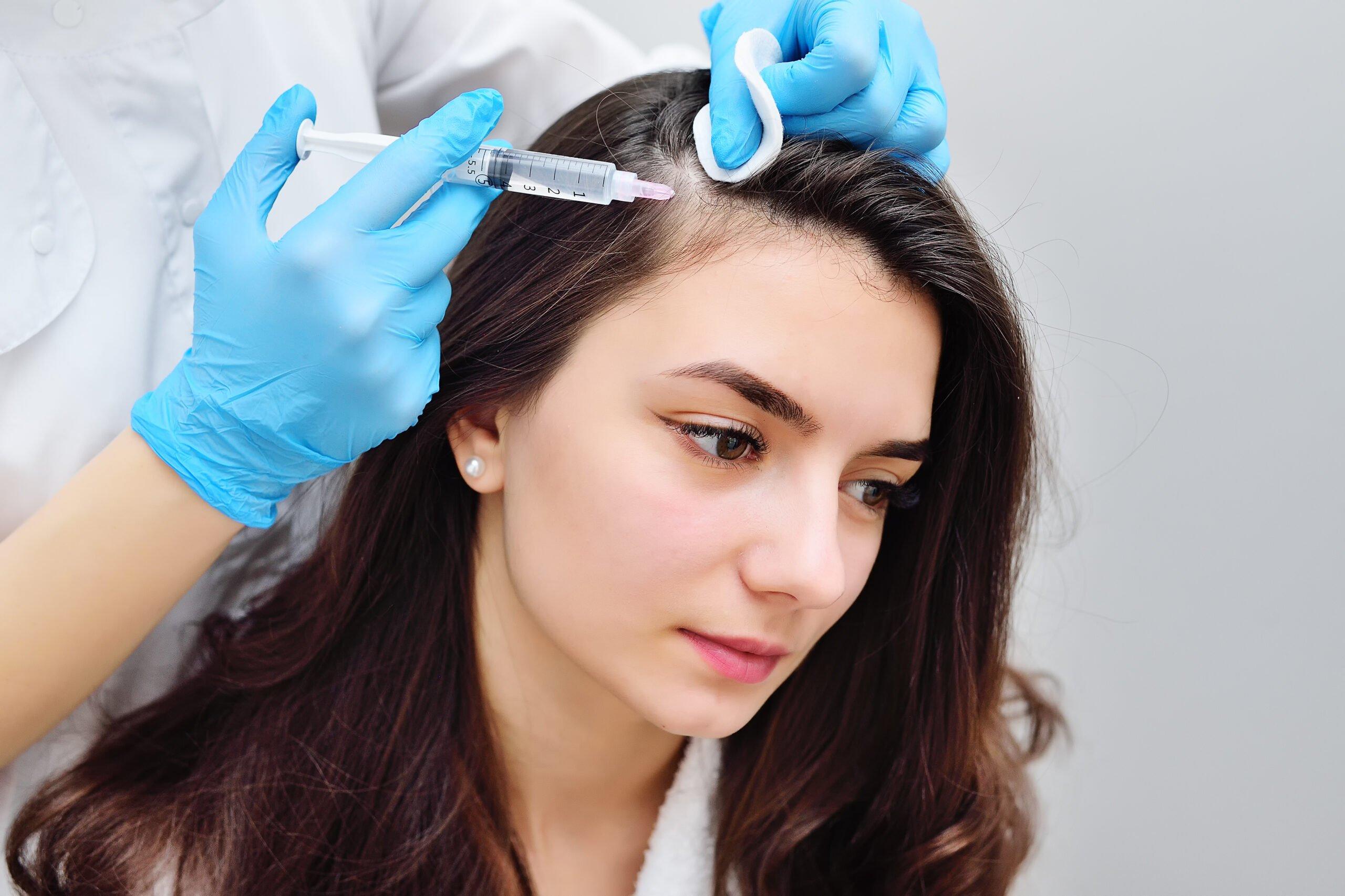
PRP hair treatment, short for Platelet-Rich Plasma therapy, is a medical procedure used to help stimulate hair growth and improve hair thickness in people experiencing hair thinning or early stages of hair loss. It uses a person’s own blood to promote natural healing and regeneration in the scalp. Because it relies on the body’s own biological components, it is considered a minimally invasive and natural approach to addressing hair-related concerns. PRP hair treatment in Riyadh is a popular option for individuals looking to improve hair density and support natural hair regrowth using their own platelets.
The main idea behind PRP treatment is the use of platelets, which are a component of blood responsible for healing wounds and repairing tissues. Platelets contain growth factors—special proteins that help cells grow, repair, and regenerate. In PRP therapy, these growth factors are concentrated and then injected into areas of the scalp where hair is thinning. The goal is to stimulate inactive or weakened hair follicles and encourage them to produce healthier, thicker hair strands.
The process begins with drawing a small amount of blood from the patient, similar to a routine blood test. This blood is then placed into a centrifuge machine, which spins at high speed. The spinning process separates the blood into different layers based on weight. These layers typically include red blood cells, platelet-poor plasma, and platelet-rich plasma. The platelet-rich portion is carefully collected because it contains the highest concentration of growth factors.
Once the PRP is prepared, the scalp is cleaned, and sometimes a numbing cream is applied to reduce discomfort. The PRP is then injected into targeted areas of the scalp using very fine needles. These injections are usually spaced evenly across areas experiencing thinning or weak hair growth. The procedure may take around 30 to 60 minutes depending on the size of the treatment area.
After the treatment, the growth factors in the PRP begin to work by stimulating the hair follicles. They improve blood circulation in the scalp, increase nutrient supply to hair roots, and promote the repair of damaged follicles. Over time, this can lead to stronger hair growth, reduced hair shedding, and improved hair density. However, results are not immediate. Hair growth cycles take time, so visible improvement usually appears gradually over a few months.
PRP therapy is commonly used for people with androgenic alopecia, also known as pattern hair loss, which affects both men and women. It is most effective in the early stages of hair thinning when hair follicles are still active but weakened. In cases where follicles are completely inactive or scarred, the treatment may have limited effectiveness.
One of the key advantages of PRP treatment is that it uses the patient’s own blood, which reduces the risk of allergic reactions or major side effects. Most people experience only mild discomfort, redness, or slight swelling at the injection sites, which usually subsides within a short time. Because it is not a surgical procedure, recovery time is minimal, and individuals can typically resume normal activities shortly after treatment.
PRP is often performed in multiple sessions to achieve better results. A common approach includes an initial series of treatments spaced a few weeks apart, followed by maintenance sessions every few months. The exact schedule depends on the individual’s hair condition and response to therapy.
Although PRP is widely used for hair restoration, it is important to understand that results can vary. Factors such as age, genetics, overall health, and severity of hair loss all play a role in how effective the treatment will be. It is not a permanent cure for baldness but rather a supportive treatment that helps slow down hair loss and improve existing hair quality.
In summary, PRP hair treatment is a regenerative procedure that uses concentrated platelets from a person’s own blood to stimulate hair follicles and encourage natural hair growth. It is a non-surgical option that focuses on improving hair density and reducing hair thinning over time through the body’s own healing mechanisms.