English
 Arabic
 French
 Spanish
 Portuguese
 Deutsch
 Turkish
 Dutch
Dutch
 Italiano
 Russian
 Romaian
 Portuguese (Brazil)
 Greek
Greek
Understanding Breast Filler Injections and How They Work
Breast filler injections are a non-surgical cosmetic procedure designed to enhance breast size, shape, and symmetry using injectable materials. In recent years, they have gained attention as an alternative to traditional breast implants, especially among people looking for subtle results without undergoing invasive surgery. To understand how breast filler injections work, it is important to explore what they are made of, how the procedure is performed, what results can be expected, and the possible risks involved. Breast filler injections in Riyadh are becoming a popular non-surgical option for those seeking subtle body contour enhancement.
What Are Breast Filler Injections?
Breast filler injections involve the use of gel-like substances that are injected into the breast tissue to increase volume or improve contour. The most commonly used materials are hyaluronic acid-based fillers, which are widely used in cosmetic medicine for facial enhancements such as lips and cheeks. These fillers are known for their ability to retain moisture and create a soft, natural feel.
The goal of breast fillers is not to dramatically increase breast size but to provide mild to moderate enhancement, improve symmetry between breasts, and refine shape. This makes them more suitable for individuals seeking subtle changes rather than a full size transformation.
How the Procedure Works
The process of breast filler injections is relatively quick and minimally invasive compared to surgical options. It typically begins with a consultation where a medical professional evaluates the patient’s body type, breast structure, and desired outcome. This helps determine whether the procedure is suitable and how much filler may be needed.
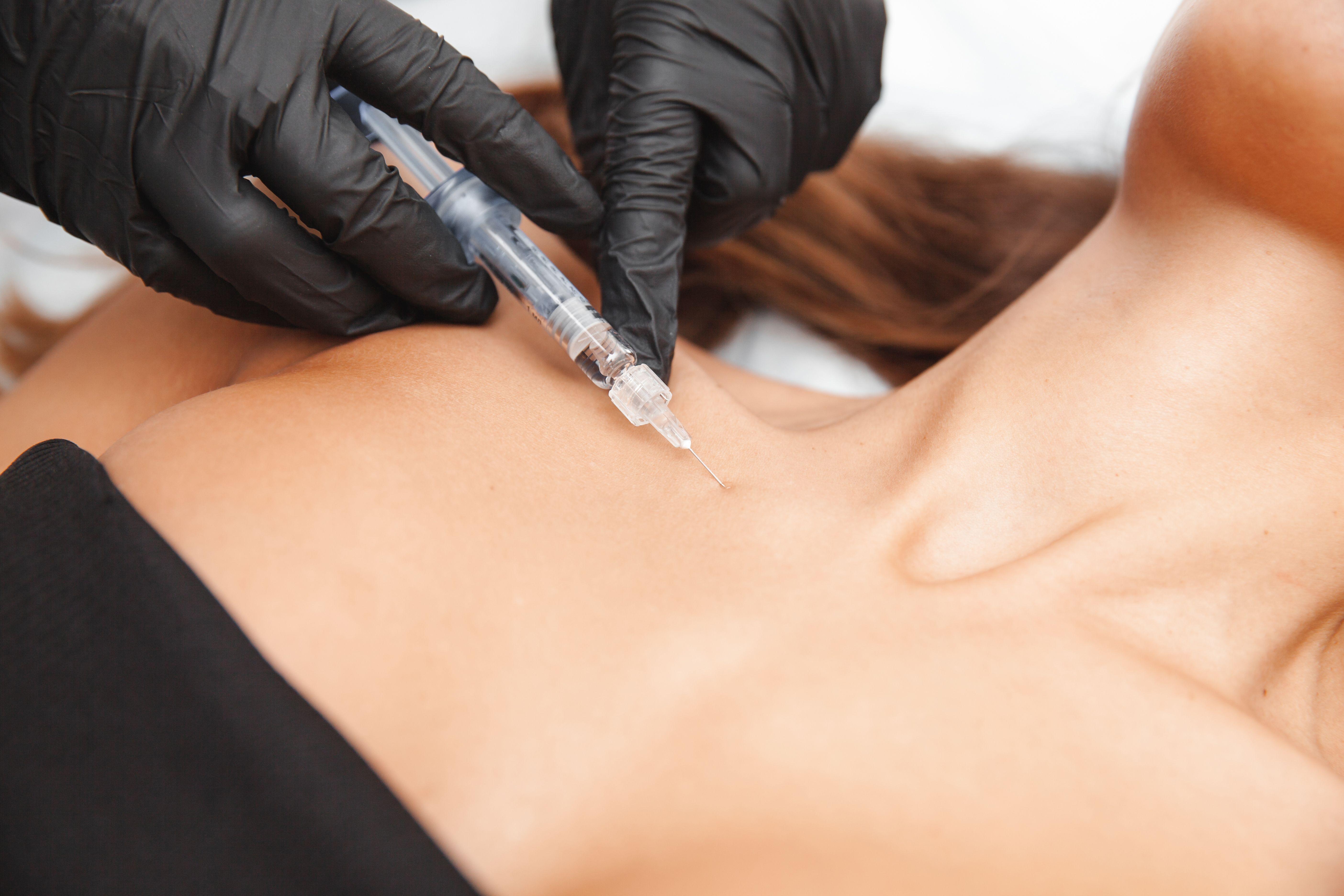
On the day of the procedure, local anesthesia is applied to reduce discomfort. In some cases, sedation may also be used depending on the patient’s sensitivity and the amount of filler being injected. The practitioner then uses a fine needle or a blunt-tipped cannula to carefully inject the filler into specific layers of the breast tissue.
The filler is distributed evenly to create a smooth and natural appearance. The doctor may gently shape and massage the area during the process to ensure symmetry and avoid lump formation. The entire procedure usually takes less than an hour, making it a convenient option for many individuals.
Immediate and Long-Term Results
One of the main advantages of breast filler injections is that results are visible almost immediately after the procedure. Patients can notice fuller and more shaped breasts right away, although some swelling may initially make the results appear slightly exaggerated.
Over the next few days, the swelling gradually reduces, and the final shape becomes more natural. The longevity of results depends on the type of filler used and the individual’s metabolism. On average, hyaluronic acid fillers may last between six months and one and a half years before gradually being absorbed by the body.
Because the body naturally breaks down the filler over time, maintenance treatments are often required to preserve results.
Benefits of Breast Filler Injections
Breast fillers offer several advantages that make them appealing to certain individuals. The most significant benefit is that the procedure is non-surgical, meaning there are no large incisions, stitches, or visible scarring. Recovery time is also minimal, with most people returning to normal activities within a day or two.
Another advantage is adjustability. Since the filler is injectable, results can be fine-tuned based on personal preference. In many cases, hyaluronic acid fillers can also be dissolved if the patient is not satisfied with the outcome.
Additionally, the procedure provides a more natural feel compared to some synthetic implants when only a small volume increase is desired.
Risks and Considerations
Despite its benefits, breast filler injections are not without risks. One of the main concerns is the potential for uneven results, such as lumps or irregular texture if the filler is not distributed properly. Infection is another possible complication, especially if the procedure is performed in non-medical or unqualified settings.
There are also concerns about how fillers may affect breast imaging tests like mammograms. In some cases, filler material can interfere with accurate readings, making it harder to detect abnormalities.
Because of these risks, many medical professionals advise caution and recommend that patients carefully consider alternative options such as fat transfer or breast implants, which have more established safety profiles.
Conclusion
Breast filler injections offer a minimally invasive way to enhance breast appearance with quick results and little downtime. They work by injecting gel-like substances into the breast tissue to improve volume and shape. While they provide an appealing non-surgical option, they also come with limitations in terms of longevity, volume increase, and safety considerations. Anyone considering this procedure should consult a qualified medical professional to fully understand whether it is the right choice for their body and aesthetic goals.