English
 Arabic
 French
 Spanish
 Portuguese
 Deutsch
 Turkish
 Dutch
Dutch
 Italiano
 Russian
 Romaian
 Portuguese (Brazil)
 Greek
Greek
Palate Repair Surgery in Riyadh: Modern Techniques for Better Outcomes
Palate Repair Surgery in Riyadh has undergone a significant transformation in recent years, moving toward highly specialized, "function-first" techniques that prioritize long-term speech and hearing success. In Riyadh’s 2026 medical landscape, the focus has shifted away from simply closing a physical gap toward the sophisticated anatomical reconstruction of the muscular "sling" that powers the soft palate. By combining advanced microsurgical tools with 3D virtual planning, surgeons in the city can now achieve outcomes that were previously difficult to reach, particularly in terms of reducing hyper-nasal speech and minimizing the need for secondary revision surgeries. These modern innovations ensure that every patient receives a repair that is not only durable but also perfectly synchronized with their unique facial growth and development.
1. Radical Muscle Repositioning (Intravelar Veloplasty)
The most critical advancement in modern palate repair is the focus on the levator veli palatini muscles. In the past, simple closure often left these muscles in a non-functional, longitudinal position.
-
The Modern Approach: Surgeons in Riyadh now perform "Radical Intravelar Veloplasty." This involves meticulously detaching the muscles from the hard palate and rotating them into a transverse position to create a strong, functional muscular bridge.
-
The Outcome: This technique provides the palate with the necessary "lift" to seal against the back of the throat during speech, significantly improving clarity and reducing the risk of Velopharyngeal Insufficiency (VPI).
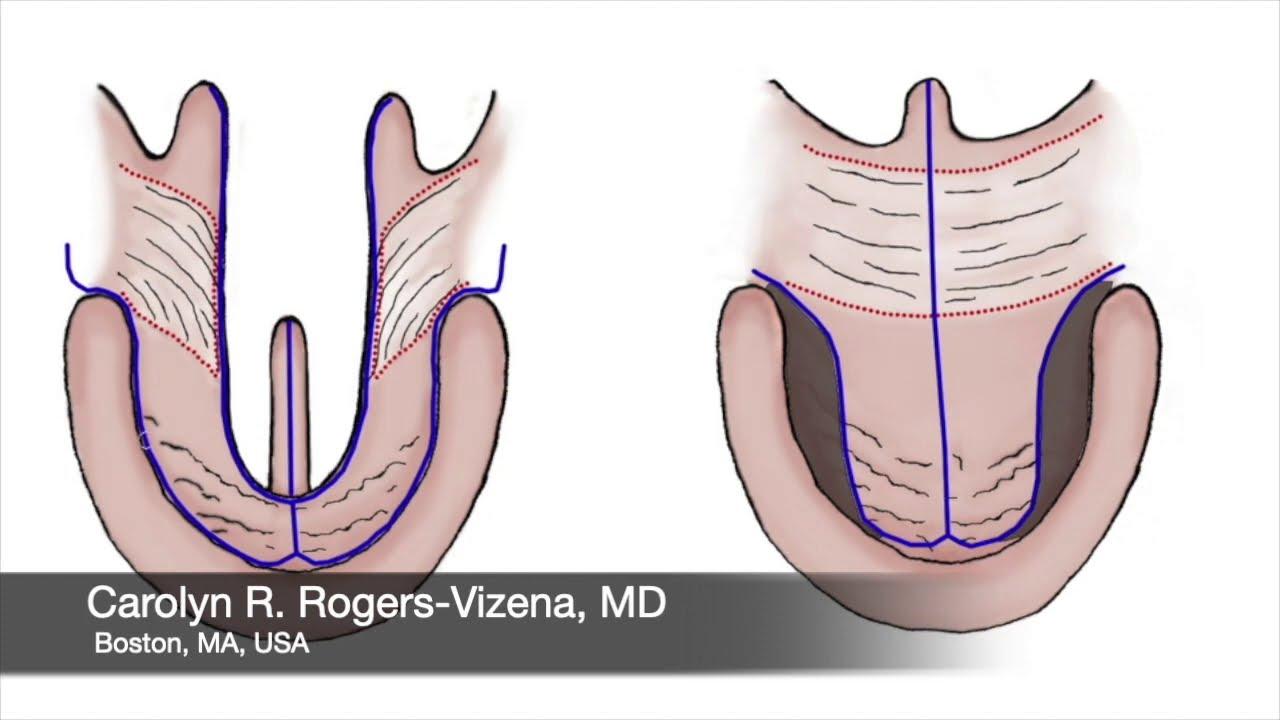
2. The Furlow Double-Opposing Z-Plasty
To address the common challenge of a "short palate," many specialized centers in Riyadh utilize the Furlow technique.
-
The Technique: Instead of straight-line incisions, the surgeon creates Z-shaped flaps of tissue and muscle on both the oral and nasal sides of the palate. When these flaps are transposed, they naturally lengthen the soft palate.
-
The Outcome: This extra length allows the palate to reach the posterior pharyngeal wall more easily. It is particularly effective for narrower clefts and is credited with some of the highest success rates for natural speech resonance in 2026.
3. Tension-Free Closure and Microsurgery
Modern palate repair is as much about what happens around the cleft as it is about the cleft itself.
-
Lateral Relaxing Incisions: To prevent the tissue from being stretched too thin—which can lead to "fistulas" or small holes—surgeons use lateral incisions to mobilize large "flaps" of tissue. This ensures the central closure is completely tension-free.
-
Magnification and Micro-Sutures: The use of high-power surgical microscopes allows for the use of incredibly fine, dissolvable sutures. This precision minimizes trauma to the delicate mucosal lining, leading to faster healing and less internal scarring.
4. 3D Virtual Surgical Planning (VSP)
Before the patient even enters the operating room, Riyadh's top clinics use digital twins to plan the procedure.
-
Digital Mapping: Using 3D intraoral scans and CT data, surgeons can measure the exact volume of tissue available.
-
Customized Strategy: VSP allows the team to simulate different techniques (such as a von Langenbeck vs. a Furlow) to see which will provide the best anatomical balance for that specific patient. This level of customization is a hallmark of the 2026 "Riyadh Standard."
5. Acellular Dermal Matrices (ADM)
In complex or wide cleft cases where local tissue is insufficient, modern techniques in Riyadh may incorporate advanced bio-materials.
-
Bio-Scaffolding: Acellular Dermal Matrices are used as an internal "scaffold" to support the repair. These materials provide extra strength to the closure and are eventually replaced by the patient’s own living cells.
-
The Outcome: This reduces the failure rate in wide clefts and provides a more robust barrier between the nasal and oral cavities.
Comparison of Outcomes: Traditional vs. Modern Techniques
| Feature | Traditional Straight-Line Repair | Modern Integrated Techniques (2026) |
| Muscle Alignment | Often left in original, non-functional state. | Radically repositioned for optimal speech lift. |
| Palatal Length | May result in a "short" or stiff palate. | Techniques like Furlow optimize palate length. |
| Fistula Risk | Higher due to tension on the suture line. | Extremely low due to "tension-free" flap mobilization. |
| Speech Outcome | 20–30% may need secondary surgery. | <10% typically require speech-related revisions. |
| Healing Time | Standard (2–3 weeks). | Accelerated due to microsurgical precision. |
The "Riyadh Advantage" in 2026
Choosing Palate Repair Surgery in Riyadh means accessing a medical ecosystem that treats surgery as just one part of a larger functional puzzle. The cost for these advanced techniques typically ranges from SAR 22,500 to SAR 45,000, which includes the use of high-definition diagnostics and specialized surgical materials. By integrating these modern techniques with dedicated post-operative speech and ENT support, Riyadh’s reconstructive specialists are setting a global standard, ensuring that patients achieve the best possible outcomes for a lifetime of clear speech, healthy hearing, and functional comfort.