English
 Arabic
 French
 Spanish
 Portuguese
 Deutsch
 Turkish
 Dutch
Dutch
 Italiano
 Russian
 Romaian
 Portuguese (Brazil)
 Greek
Greek
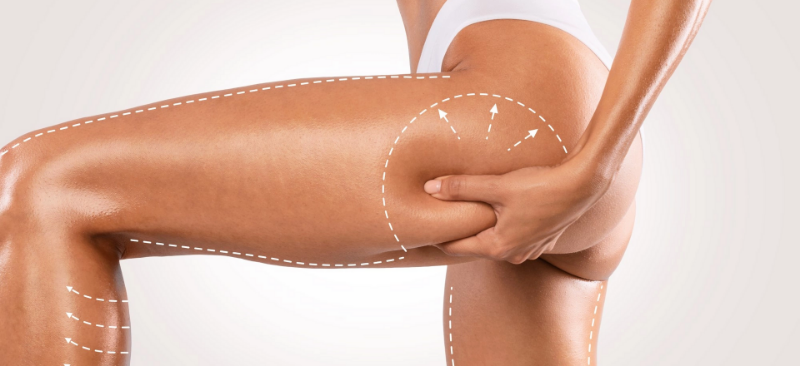
The Importance of Compression Garments During Thigh Lift Recovery
The success of a surgical transformation is often determined as much by the diligence of post-operative care as it is by the precision of the initial incisions. For those undergoing a Thigh Lift Riyadh, the use of a medical-grade compression garment is arguably the most critical component of the early healing phase. Because a thigh lift involves the removal of significant amounts of skin and the potential repositioning of underlying fat, the body requires an external "scaffold" to support the tissues as they begin to knit together in their new, firmer positions. These specialized garments are far more than simple athletic wear; they are engineered medical tools designed to manage the body’s natural inflammatory response, protect the surgical repair, and ensure that the final results are as smooth and contoured as possible. By understanding the mechanical and biological roles that compression plays, patients can appreciate why wearing the garment as directed is a non-negotiable step toward achieving an athletic and refined lower body.
Managing Edema and Post-Operative Swelling
Immediately following a thigh lift, the body’s natural reaction to surgery is to increase blood flow and fluid delivery to the treated area to facilitate repair. This leads to edema, or swelling, which can put pressure on the incision lines and cause discomfort.
-
The Role of Pressure: Compression garments provide consistent, graduated pressure that helps the lymphatic system and veins move fluid away from the surgical site and back into the central circulation.
-
Preventing Fluid Pockets: By applying pressure to the "dead space" created where skin or fat was removed, the garment prevents the accumulation of seromas (fluid pockets) and hematomas (blood collections). This ensures the skin can adhere directly to the underlying muscle, creating a flat and seamless transition rather than one marred by irregular swelling.
Supporting Skin Adhesion and Contouring
A thigh lift physically resets the "envelope" of the leg. Once the excess tissue is excised, the remaining skin must "bond" to the new underlying shape. Without the support of a compression garment, gravity and movement could cause the skin to shift or sag before it has firmly attached to the deeper fascial layers.
-
Internal "Quilting": The garment acts as a constant, gentle hand pressing the skin into place. This is especially vital in the inner thigh, where the skin is thinner and more prone to movement.
-
Ensuring Smoothness: Proper compression prevents the formation of ripples or "bunched" skin by keeping the surface area perfectly taut. This ensures that when the swelling finally subsides, the leg appears firm, toned, and naturally sculpted.
Protecting Incision Integrity and Scar Quality
The incisions for a thigh lift—whether placed in the groin crease or along the inner leg—are subject to tension every time the patient moves, sits, or walks. Excessive tension on a healing wound is the primary cause of widened or thickened scars.
-
Stress Reduction: By holding the surrounding tissues in a fixed, supportive position, the compression garment takes the "pull" off the incision lines.
-
Stabilizing the Wound: It acts as a protective barrier against external friction from clothing, reducing irritation as the delicate new skin begins to bridge the surgical gap. This stability is the foundation for a scar that heals as a thin, discreet, and silvery line.
Enhancing Patient Comfort and Mobility
It may seem counterintuitive that a tight garment increases comfort, but most patients find that they feel significantly more "secure" while wearing it.
-
Pain Reduction: By minimizing the "jiggle" or movement of the surgical site during walking, the garment reduces the sharp sensations often associated with early-stage recovery.
-
Psychological Security: The firm support provides a sense of physical stability, making patients more confident in their ability to perform the gentle, short walks necessary for preventing blood clots and promoting circulation.
Guidance on Usage and Duration
To maximize the benefits of compression, patients must follow a strict protocol regarding the "wear-time" of their garment.
-
The First Month: Typically, the garment is worn 24 hours a day (only removed for showering) for the first four weeks. This is the period of most intense tissue remodeling and fluid management.
-
The Tapering Phase: In the second month, the surgeon may allow the patient to transition to wearing the garment only during the day or during physical activity, depending on how quickly the swelling is resolving.
-
Hygiene Matters: It is highly recommended to have two garments—one to wear while the other is being laundered—to ensure that the support is never interrupted.
A Critical Investment in Your Results
Ultimately, the compression garment is the silent partner of the surgeon. While the surgical procedure creates the possibility of a firmer silhouette, the garment ensures that the possibility becomes a reality. It is a temporary commitment that pays permanent dividends in the quality of the skin’s adhesion and the refinement of the leg’s new contour.
For those ready to embrace their transformation, the garment is not a burden but a protective shield. By respecting the science of compression, residents can move through their recovery with the peace of mind that their results are being locked in, one day at a time. The path to a more agile and confident lifestyle is supported by this simple yet essential tool, bridging the gap between the operating room and the final, beautiful reveal.