English
 Arabic
 French
 Spanish
 Portuguese
 Deutsch
 Turkish
 Dutch
Dutch
 Italiano
 Russian
 Romaian
 Portuguese (Brazil)
 Greek
Greek
BBL vs. Implants: Why Fat Transfer is Trending in Saudi Arabia
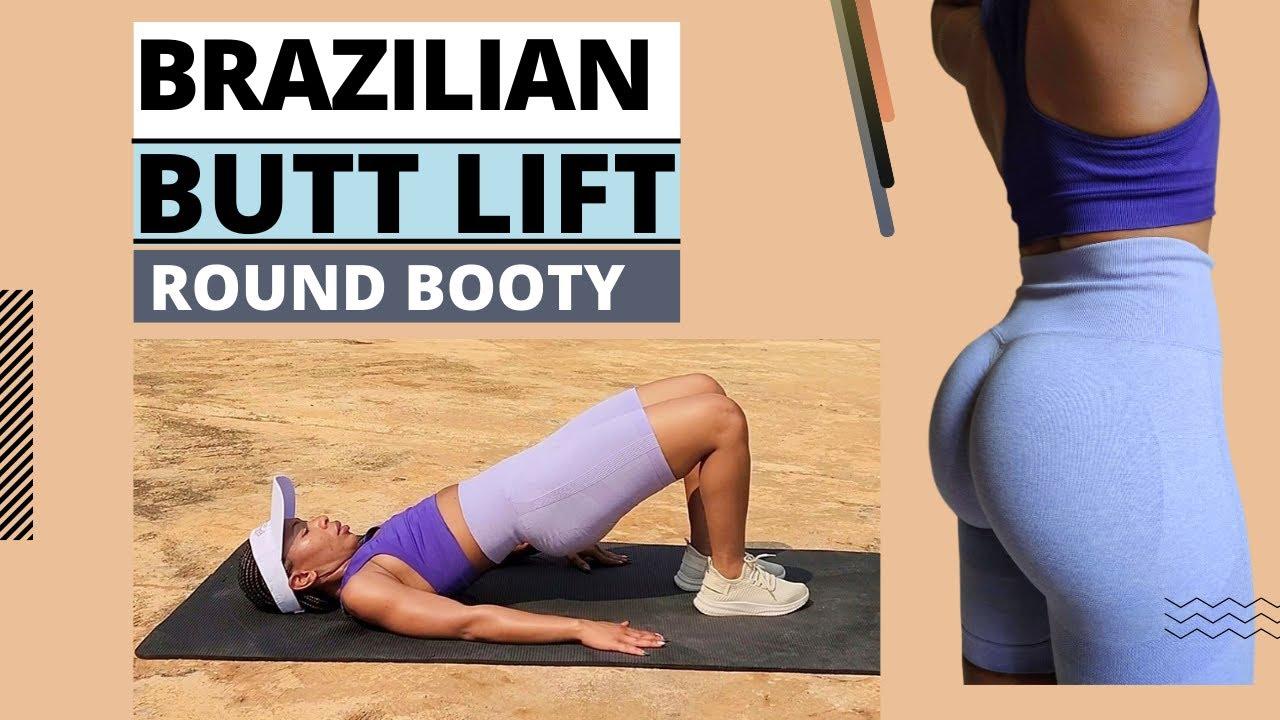
The landscape of cosmetic surgery has undergone a transformative shift in recent years, with a clear preference emerging for procedures that offer biological harmony and dual-benefit results. In the realm of body contouring, the Brazilian Butt Lift in Riyadh has become the leading choice for those seeking to enhance their silhouette, steadily outpacing traditional gluteal implants. While implants were once the standard for adding volume, the modern Saudi patient increasingly values the "natural-tissue" approach. This trend is driven by a desire for results that not only look authentic but also feel like a part of the body, rather than an addition to it. As the region embraces advanced medical technologies and a more nuanced understanding of aesthetic balance, the BBL has solidified its position as the preferred method for achieving a contoured, youthful, and proportionate lower body.
The Appeal of Autologous Tissue Over Synthetics
The most significant reason for the surge in BBL popularity is its reliance on autologous fat—fat harvested from the patient’s own body. Unlike implants, which are made of silicone or saline, a fat transfer involves moving living tissue from areas like the abdomen or flanks to the buttocks. This eliminates the risk of "implant rejection" or allergic reactions, as the body inherently recognizes the tissue as its own. In a culture that increasingly prizes health and "clean" living, the idea of using one's own biological building blocks to enhance beauty is deeply appealing. Furthermore, the texture of a fat transfer is indistinguishable from natural body fat, providing a soft, supple feel that synthetic implants often struggle to replicate.
The "Two-in-One" Aesthetic Benefit
One of the most compelling reasons Saudi patients choose a BBL over implants is the comprehensive body sculpting it provides. A BBL is not just about adding volume; it is a total-body transformation.
-
Liposuction Component: To get the fat needed for the transfer, the surgeon performs liposuction on donor areas such as the "love handles," stomach, or thighs. This results in a slimmer, more defined waistline.
-
Synergistic Shaping: By narrowing the waist and midsection, the surgeon creates a more dramatic contrast with the buttocks. This "hourglass" effect is often more impactful than what can be achieved with implants alone, as it addresses the proportions of the entire torso simultaneously.
Safety Profiles and Modern Innovations
In the past, skepticism regarding the safety of BBLs led some to consider implants a "safer" alternative. However, the introduction of advanced safety protocols has completely flipped this narrative. Modern techniques, such as ultrasound-guided fat transfer, allow specialists to visualize exactly where the fat is being placed, ensuring it stays within the safe "subcutaneous" layer. On the other hand, implants carry unique risks such as capsular contracture (where scar tissue hardens around the implant), shifting or displacement over time, and the eventual need for replacement. For many, the long-term peace of mind offered by a successful fat transfer is a decisive factor.
Cultural Shifts Toward Subtlety and Balance
The aesthetic standards in Riyadh have evolved toward a look of "refined naturalism." While there was once a trend for very dramatic, obvious enhancements, the current preference leans toward results that suggest a high level of fitness and genetic luck rather than surgical intervention. A BBL allows for this level of customization. A surgeon can strategically place small amounts of fat to fill "hip dips" or provide a subtle lift, whereas implants are more rigid in their shape and size. This flexibility allows patients to achieve a look that is perfectly balanced with their individual height and frame, adhering to the local cultural value of modest yet effective self-improvement.
Recovery and Longevity Comparison
When comparing the two, recovery and long-term maintenance also play a role in the decision-making process. While both procedures require a period of downtime, the BBL recovery is often described as feeling more like "intense muscle soreness" rather than the discomfort of a deep-muscle implant placement. Furthermore, once the transferred fat "takes" and establishes a blood supply (usually within the first three to six months), it becomes a permanent part of the body. It will age, expand, and shrink naturally with the patient. Implants, conversely, are foreign objects that may eventually leak or require a secondary surgery to correct shifting as the skin thins with age.
The Rise of Specialized Expertise in the Capital
The growing demand for the Brazilian Butt Lift in Riyadh has led to an influx of highly specialized expertise and world-class surgical facilities in the city. Patients no longer feel the need to travel abroad for top-tier body contouring. The availability of local specialists who understand the specific skin types, lifestyle factors, and aesthetic preferences of the Saudi population has made the BBL a more accessible and trusted option. As these professionals continue to refine their techniques, the gap between the popularity of fat transfer and traditional implants is expected to widen even further, cementing BBL as the gold standard for body enhancement in the region.