English
 Arabic
 French
 Spanish
 Portuguese
 Deutsch
 Turkish
 Dutch
Dutch
 Italiano
 Russian
 Romaian
 Portuguese (Brazil)
 Greek
Greek
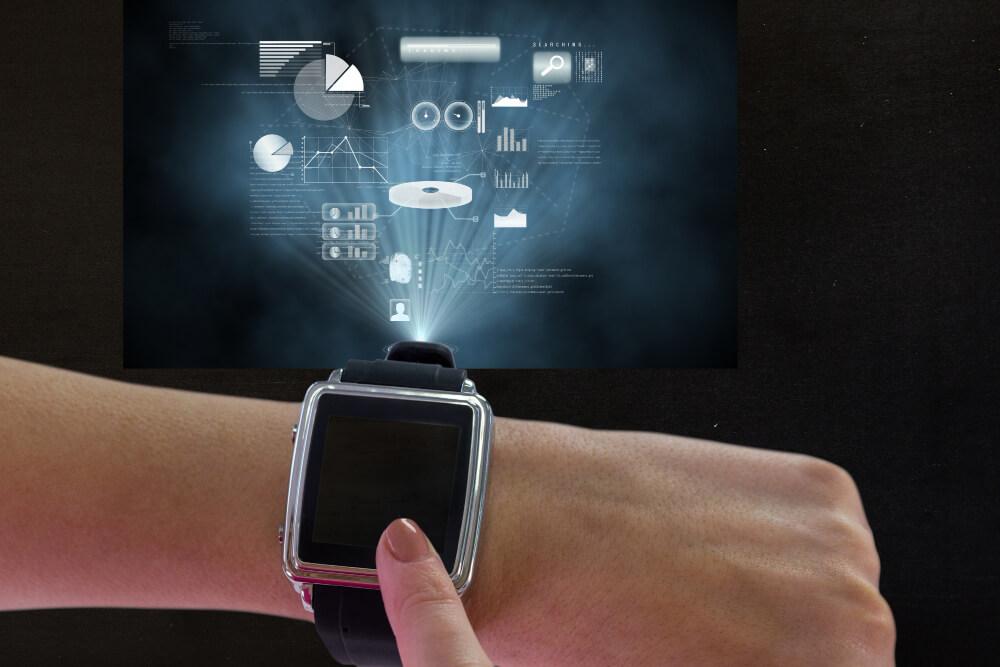
Frustrated by Poor Image Quality in Compact Devices? Micro Display Fixes the Problem
Blurry visuals, low brightness, eye strain, and bulky hardware are common problems in compact optical and electronic devices. Whether it’s AR/VR headsets, smart glasses, night vision systems, or electronic viewfinders, display limitations often hold back overall performance. Traditional LCD and larger OLED panels struggle to deliver clarity when space is limited. This is where micro display technology becomes a game-changer.
Modern users demand sharp visuals, accurate colors, and smooth performance in lightweight devices. If your product suffers from poor resolution or high power consumption, upgrading the display is often the most effective solution.
What Is a Micro Display?
A micro display is a very small, high-resolution display designed for near-eye and compact optical systems. Unlike conventional screens, micro displays are built to deliver high pixel density in a tiny size, making them ideal for precision-based applications.
These displays are commonly based on advanced technologies such as OLED or LCoS, allowing them to produce sharp images, high contrast, and fast refresh rates while occupying minimal space inside the device.
Common Issues with Conventional Displays
Many engineers and product designers face repeated challenges when using traditional displays in compact systems:
-
Images appear pixelated at close viewing distances
-
Low contrast reduces visibility in dark environments
-
Excessive power consumption drains batteries quickly
-
Heat buildup affects long-term reliability
-
Large display size limits product design flexibility
These issues directly affect user experience, especially in wearable and immersive devices.
How Micro Display Technology Solves These Problems
High Pixel Density for Sharp Images
Micro displays offer extremely high resolution relative to their size. This ensures crisp text, fine details, and smooth visuals even when viewed inches from the eye.
Better Brightness and Contrast
Advanced micro display panels provide excellent brightness control and deep contrast, improving visibility in both low-light and outdoor environments.
Low Power Consumption
Designed for portable devices, micro displays consume less power than traditional panels, extending battery life and reducing heat generation.
Compact and Lightweight Design
Their small footprint allows manufacturers to build thinner, lighter, and more ergonomic devices without sacrificing performance.
Key Applications of Micro Display Technology
A micro display plays a critical role across multiple industries:
AR and VR Headsets
Delivers immersive visuals with minimal distortion and reduced eye fatigue.
Night Vision and Thermal Devices
Improves clarity and contrast in low-visibility conditions.
Smart Glasses and Wearables
Supports sleek designs while maintaining high image quality.
Electronic Viewfinders
Used in professional cameras and optical instruments for precise framing.
Why Manufacturers Are Switching to Micro Displays
From an engineering perspective, micro displays integrate easily with optical modules, lenses, and waveguides. Their stability, durability, and consistent performance make them ideal for both consumer and industrial products.
Additionally, micro displays allow greater design freedom, helping brands create compact devices that still meet high visual standards.
Final Thoughts
If your device suffers from poor clarity, limited brightness, or inefficient power usage, micro display technology offers a proven solution. It directly addresses the core problems faced by compact and near-eye display systems.
By choosing the right micro display, manufacturers can improve image quality, enhance user comfort, and build products that meet modern expectations.