English
 Arabic
 French
 Spanish
 Portuguese
 Deutsch
 Turkish
 Dutch
Dutch
 Italiano
 Russian
 Romaian
 Portuguese (Brazil)
 Greek
Greek
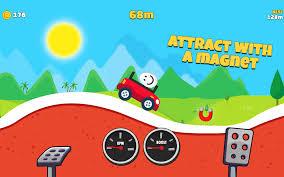
Some evenings, I don’t want excitement. I don’t want competition. I definitely don’t want a game that demands skill trees, upgrades, or a tutorial longer than my attention span.
I just want something light.
That’s the mindset I had when I opened my browser and clicked on a small casual game that looked harmless enough. A tiny car. A single egg. A road that gently rolled into the distance.
I thought I’d play for a few minutes.
I was wrong.
Why I Keep Coming Back to Simple Games
As someone who genuinely enjoys casual games, I’ve learned that simplicity can be deceptive. The best ones don’t overwhelm you with features — they give you one clear goal and let you do the rest.
This game did exactly that.
No story. No text. No explanation. The car moved, the egg wobbled, and my brain immediately understood the mission: don’t let the egg fall.
That instant clarity lowered my defenses. I wasn’t preparing myself mentally. I wasn’t “trying hard.”
And that’s when the game quietly grabbed my attention.
The First Few Minutes: Confidence Without Skill
My first run ended almost instantly. I barely processed what happened before the egg slid off and the screen reset.
I laughed.
The second run lasted longer. The third one felt promising. By the fifth run, I was convinced I had figured it out.
That confidence lasted until the next small hill.
The egg bounced just enough to make my heart jump, and I reacted — badly. One panicked input later, the egg was gone.
That’s when I realized this wasn’t about speed or reflexes. It was about restraint.
The Strange Way This Game Makes Failure Feel Personal
One thing that surprised me was how responsible I felt for every failure. The game never blamed anything else. There were no surprises. No tricks.
If the egg fell, it was because:
-
I accelerated too hard
-
I braked too suddenly
-
I tried to “fix” a wobble that didn’t need fixing
Each failure came with instant understanding. I knew exactly what I’d done wrong, which made restarting feel logical instead of frustrating.
That’s a powerful loop — and a dangerous one.
The Quiet Tension of Almost Getting It Right
The most stressful moments weren’t the big jumps or steep drops. They were the slow sections.
Rolling gently downhill. The egg swaying slightly. Your finger hovering, unsure whether touching the controls will help or ruin everything.
I found myself holding my breath during those moments, completely focused on keeping things steady. It was quiet. Intimate. Almost meditative.
Until it wasn’t.
Because eventually, the egg always fell.
Why the Funniest Losses Hurt the Least
There’s something inherently funny about watching an egg fall off a car in the most anticlimactic way possible.
No crash. No noise. Just a soft roll and a reset.
Some of my longest runs ended because of the smallest mistakes — a tiny bump, a moment of impatience, a celebratory thought that arrived too early.
After a while, I stopped groaning and started smiling. The game wasn’t mocking me. It was teaching me, gently and repeatedly, to slow down.
When I Stopped Trying to Win
At some point, something shifted.
I stopped caring about how far I went. I stopped thinking about beating my previous run. I just focused on staying smooth.
Ironically, that’s when my runs improved.
By letting go of the outcome, I became more patient. My inputs were lighter. My reactions calmer. The car and egg moved together instead of fighting each other.
That’s when Eggy Car stopped feeling like a challenge and started feeling like a rhythm.
Small Lessons I Didn’t Expect to Learn
I didn’t go into this game expecting anything meaningful, but a few ideas stuck with me.
Patience Is Active
Doing nothing is often the hardest decision — and the right one.
Control Is About Timing
Not every wobble needs fixing. Sometimes things correct themselves if you let them.
Progress Is Invisible Until Suddenly It Isn’t
You don’t notice improvement run by run. You notice it when you reach places that once felt impossible.
Those lessons arrived naturally, without instructions or pop-ups.
My Personal Habits After Too Many Attempts
After spending more time than planned, I noticed a few habits that genuinely helped me survive longer:
-
I watched the egg more than the terrain
-
I trusted momentum instead of fighting it
-
I accepted that some runs were already lost and didn’t panic
The moment I stopped reacting emotionally, the game felt calmer — and so did I.
The Run That Gave Me False Confidence
There’s always that run.
Everything felt smooth. The hills flowed naturally. The egg barely moved. I reached a distance I’d never seen before and thought, “Okay, I’ve finally got this.”
That thought was my mistake.
A small bump I’d survived dozens of times before sent the egg gently upward. It hovered for a split second — long enough to give me hope — then rolled off.
I stared at the screen, then laughed and restarted.
Because somehow, it felt fair.
Why This Game Stays With Me
I’ve played bigger games with deeper mechanics and longer stories, but Eggy Car stayed in my head longer than most.
Not because it demanded mastery — but because it invited attention.
It didn’t rush me. It didn’t punish me. It trusted me to learn at my own pace. And that trust made every failure feel like part of the experience instead of a setback.
That’s rare, especially in games this small.