English
 Arabic
 French
 Spanish
 Portuguese
 Deutsch
 Turkish
 Dutch
Dutch
 Italiano
 Russian
 Romaian
 Portuguese (Brazil)
 Greek
Greek
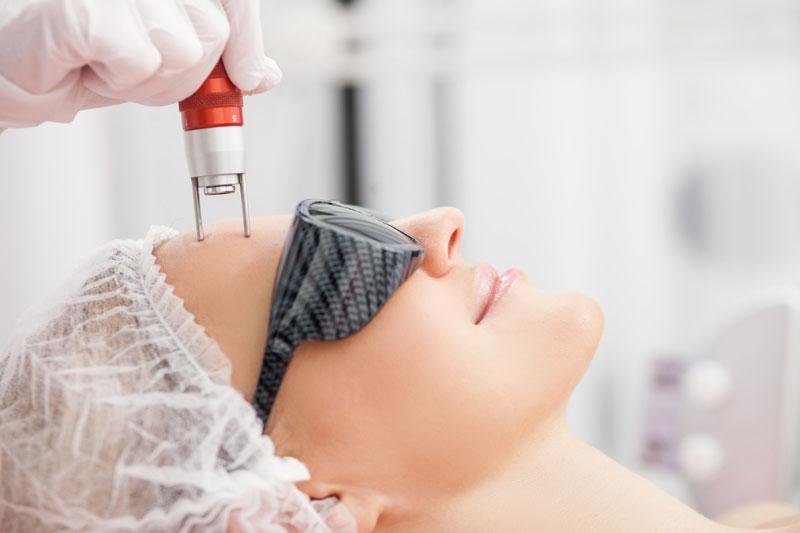
Pigmentation issues, such as sunspots, melasma, and post-acne marks, are common concerns that affect skin tone and overall appearance. Among the various treatment options available, Q-switched Laser has emerged as a popular choice for pigmentation removal due to its precision, safety, and minimal downtime. Its ability to target pigment selectively while stimulating natural skin repair makes it a preferred solution for many individuals seeking a clearer, more even complexion.
How Q-Switched Laser Works for Pigmentation Removal:
Q-switched lasers deliver high-energy light pulses in nanoseconds, targeting pigment particles in the skin without causing excessive thermal damage to surrounding tissue. This selective approach allows the body to naturally break down and remove pigment over time. The mechanism involves:
-
Photoacoustic effect that shatters melanin or tattoo ink
-
Minimal impact on healthy skin
-
Stimulation of collagen production for subtle skin rejuvenation
Types of Pigmentation Treated:
Q-switched lasers are versatile and effective for a range of pigmentation issues, making them suitable for various skin concerns. Common pigmentation types treated include:
-
Sunspots and age spots caused by UV exposure
-
Melasma, often triggered by hormonal changes
-
Post-inflammatory hyperpigmentation from acne or injury
-
Freckles and minor discoloration
Advantages Over Other Treatments:
Compared to topical creams or chemical peels, Q-switched lasers offer targeted treatment with faster and more visible results. Their precision and controlled energy delivery make them safer and more effective for many patients. Advantages include:
-
Direct targeting of pigment without affecting surrounding skin
-
Minimal discomfort and short session duration
-
Gradual fading of pigmentation with long-lasting results
-
Reduced risk of scarring compared to aggressive resurfacing treatments
Safety and Suitability for Different Skin Types:
One reason Q-switched lasers are widely popular is their adaptability to different skin tones and types. By adjusting wavelength and energy settings, the procedure can safely address pigmentation in lighter and darker skin tones alike. Key considerations include:
-
Customizing laser energy for melanin-rich skin
-
Gradual treatment to minimize side effects
-
Safe for sensitive or reactive skin with proper monitoring
What to Expect During a Session:
A Q-switched laser session is typically quick and well-tolerated, making it convenient for most patients. The treatment involves careful targeting of pigmented areas while protecting surrounding skin. During the session:
-
Skin is cleansed and prepared for treatment
-
Optional numbing cream may be applied for comfort
-
Laser pulses are delivered to the target area
-
Cooling devices or airflow may be used to reduce discomfort
Recovery Time and Immediate Results:
Minimal downtime is a significant advantage of Q-switched lasers. Most patients experience only temporary redness or mild swelling, with pigmentation gradually fading over days to weeks. Recovery considerations include:
-
Redness or warmth that usually subsides within 24 hours
-
Darkened pigment may appear temporarily before fading
-
Normal daily activities can typically resume immediately
Number of Sessions Needed:
The number of sessions required varies depending on pigmentation type, depth, and skin response. Multiple sessions are often necessary to achieve optimal results, with gradual improvements seen over time. Guidelines include:
-
2–4 sessions for superficial pigmentation
-
4–6 sessions for deeper melasma or post-inflammatory spots
-
Spacing sessions 4–6 weeks apart to allow pigment clearance
Aftercare for Maintaining Results:
Proper post-treatment care is essential to protect skin and enhance results. Following guidelines provided by the practitioner reduces risks and prolongs the benefits of Q-switched laser treatment. Recommended aftercare includes:
-
Using broad-spectrum sunscreen to prevent new pigmentation
-
Avoiding harsh or abrasive skincare products
-
Applying soothing creams or prescribed topical agents
-
Limiting direct sun exposure for several weeks
Combining Q-Switched Laser With Other Treatments:
For more stubborn or complex pigmentation, Q-switched laser can be combined with other treatments to enhance overall results. These combinations help address both surface-level and deeper skin concerns. Possible complementary approaches include:
-
Chemical peels to improve skin tone
-
Microneedling to stimulate collagen and support pigment clearance
-
Topical brightening agents for maintenance and prevention
Final Thoughts.
Q-switched laser has become a preferred choice for pigmentation removal due to its precision, versatility, and safety. Its ability to target pigment directly, minimize damage to surrounding skin, and stimulate gradual skin renewal sets it apart from other treatment methods. With proper customization, multiple sessions, and diligent aftercare, Q-switched laser offers effective, long-lasting results for a clearer, more even complexion, making it a trusted solution for those seeking pigment-free, radiant skin.