English
 Arabic
 French
 Spanish
 Portuguese
 Deutsch
 Turkish
 Dutch
Dutch
 Italiano
 Russian
 Romaian
 Portuguese (Brazil)
 Greek
Greek
Choosing the right skincare treatment can be confusing, especially with options like carbon laser treatment and traditional chemical peels available. Both procedures aim to improve skin texture, clarity, and radiance, but they work differently and offer unique benefits. Understanding how each works, what results to expect, and their suitability for different skin types can help you make an informed decision and achieve the best outcomes for your skin.
How Laser Carbon Peel Works:
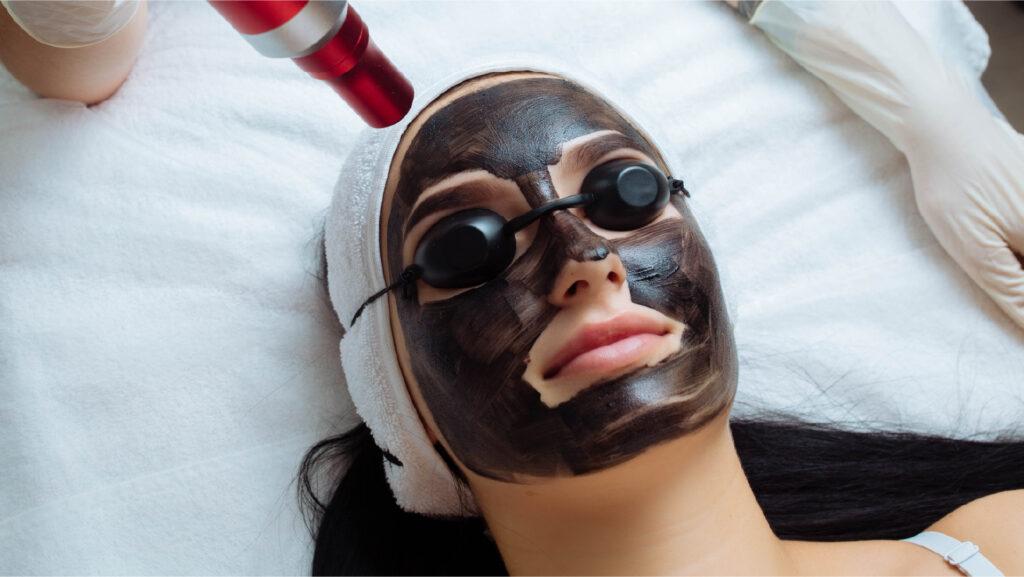
Laser carbon peel involves applying a thin layer of liquid carbon to the skin, which penetrates deep into pores and binds with impurities, oil, and dead skin cells. A specialized laser is then used to vaporize the carbon along with trapped debris. This process:
-
Cleanses pores deeply and removes blackheads
-
Stimulates collagen production for firmer, smoother skin
-
Improves overall skin tone and texture
-
Reduces fine lines and early signs of aging
The non-invasive procedure requires minimal downtime and delivers immediate visible results, making it popular among busy individuals and first-time users.
How Chemical Peels Work:
Chemical peels use acids to exfoliate the outer layer of the skin, promoting cell turnover and revealing fresher, brighter skin beneath. Depending on the type and strength of the peel, results can vary. Benefits of chemical peels include:
-
Reduction of surface-level blemishes and pigmentation
-
Smoother skin texture and improved tone
-
Diminished appearance of fine lines and mild scars
-
Stimulation of skin renewal and collagen production
However, chemical peels may require multiple sessions and some downtime, especially with medium or deep peels.
Deep Pore Cleansing:
Carbon laser treatment excels in deep pore cleansing due to the carbon’s ability to penetrate and bind impurities. Key advantages include:
-
Removal of blackheads and whiteheads
-
Reduction of clogged pores and excess oil
-
Prevention of acne flare-ups
-
Immediate improvement in skin clarity
Chemical peels, while effective for surface exfoliation, may not reach deep into pores, making carbon laser treatment a better choice for individuals with oily or acne-prone skin.
Skin Sensitivity and Comfort:
Comfort during treatment is an important factor for many users. Carbon laser treatment is generally painless, with most patients experiencing only a mild tingling sensation. Cooling mechanisms in modern laser devices further enhance comfort. In contrast, chemical peels can sometimes cause stinging, burning, or redness during and after the procedure, particularly for those with sensitive skin.
Recovery Time and Downtime:
Carbon laser treatment is known for its minimal downtime. Most patients can resume daily activities immediately, with only slight temporary redness in some cases. Chemical peels vary in recovery time depending on their depth:
-
Light peels: minimal downtime, mild flaking
-
Medium peels: 5–7 days of peeling and redness
-
Deep peels: up to two weeks of recovery and potential sun sensitivity
For those seeking quick results with minimal disruption to their routine, carbon laser treatment may be the preferable option.
Immediate vs Long-Term Results:
Carbon laser treatment offers noticeable improvements after a single session, including brighter skin, smoother texture, and smaller pores. Long-term benefits are achieved through repeated treatments, which help maintain skin clarity and firmness. Chemical peels provide gradual improvements, particularly for pigmentation and surface-level blemishes, with cumulative effects over several sessions.
Safety and Suitability:
Both treatments are safe when performed by trained professionals, but suitability can differ:
-
Carbon laser treatment is ideal for: oily skin, blackheads, enlarged pores, and early signs of aging
-
Chemical peels are suitable for: uneven pigmentation, fine lines, mild acne scars, and surface exfoliation needs
People with very sensitive skin or certain medical conditions may require a consultation before choosing either treatment to ensure safety and optimal results.
Cost Considerations:
The cost of carbon laser treatment and chemical peels varies based on clinic location, equipment, and session requirements. While chemical peels may be less expensive per session, multiple treatments are often needed for noticeable results. Carbon laser treatment, though sometimes higher in initial cost, may deliver faster, longer-lasting improvements with fewer sessions. Many clinics offer packages for both procedures, making long-term maintenance more affordable.
Combining Treatments:
For some individuals, combining carbon laser treatment with mild chemical peels can provide synergistic benefits. The carbon laser can deeply cleanse pores and stimulate collagen, while the chemical peel addresses surface pigmentation and texture. Combining treatments under professional guidance ensures:
-
Comprehensive skin rejuvenation
-
Balanced results for both deep and surface concerns
-
Safe and effective skin transformation
-
Optimized long-term outcomes
Final Thoughts:
Both carbon laser treatment and chemical peels offer effective solutions for improving skin health, texture, and appearance. Carbon laser treatment excels in deep pore cleansing, immediate results, minimal downtime, and suitability for acne-prone or oily skin. Chemical peels, on the other hand, are ideal for surface exfoliation, pigmentation correction, and gradual skin renewal. Understanding the differences, benefits, and suitability of each procedure allows you to choose the right approach for your skin needs. With professional guidance, carbon laser treatment can provide a safe, effective, and non-invasive solution for achieving smooth, radiant, and healthy-looking skin.