English
 Arabic
 French
 Spanish
 Portuguese
 Deutsch
 Turkish
 Dutch
Dutch
 Italiano
 Russian
 Romaian
 Portuguese (Brazil)
 Greek
Greek
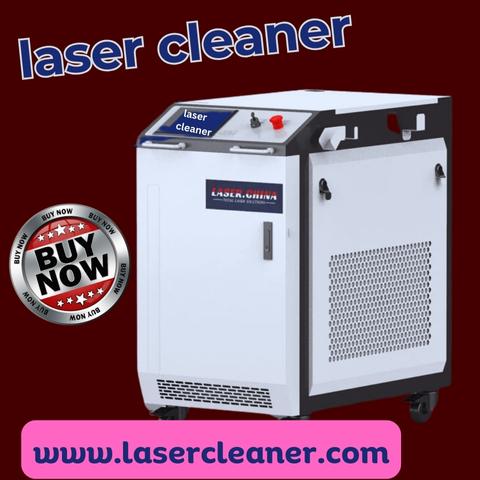
In modern industrial and manufacturing environments, maintaining pristine surfaces is not just a matter of appearance—it directly affects efficiency, safety, and longevity of equipment. The laser cleaner has emerged as a revolutionary tool designed to deliver unmatched precision in surface cleaning processes across a wide range of applications. From automotive repair to heavy manufacturing, a laser cleaner provides a controlled and effective way to remove contaminants, coatings, and residues with minimal intervention and maximum control.
The technology behind a laser cleaner leverages focused light energy to interact with surfaces at a microscopic level. This interaction allows for the removal of rust, paint, grease, and other unwanted substances without causing damage to the underlying material. Unlike conventional cleaning methods such as sandblasting or chemical treatments, the laser cleaner operates with a high degree of selectivity. It targets only the areas that need attention while preserving surrounding materials and maintaining structural integrity. This precision makes laser cleaning particularly valuable in sensitive industries where material properties are critical.
Industries such as aerospace, automotive, electronics, and heritage conservation have adopted laser cleaner technology due to its ability to handle complex surfaces and delicate materials. For example, in the aerospace sector, precision cleaning of engine components, turbine blades, and composite surfaces is essential to ensure safety and performance. Using traditional methods could introduce abrasive damage or residual chemicals, which might compromise the component. With a laser cleaner, operators can clean intricate geometries and hard-to-reach areas efficiently, ensuring thorough results without risk to the components.
Automotive applications benefit significantly from laser cleaner technology as well. Car bodywork, frames, and engine parts often require the removal of rust, paint layers, or adhesives during repair, refurbishment, or manufacturing. The laser cleaner can selectively remove these materials, enabling accurate surface preparation for painting or coating processes. The method is clean, controlled, and reduces the need for harsh chemical solvents, which are environmentally hazardous and labor-intensive to handle. This feature has made laser cleaning increasingly popular in modern automotive workshops and production lines where efficiency and safety are paramount.
The operational flexibility of laser cleaner systems also adds to their widespread adoption. Many laser cleaners are portable, allowing them to be moved easily between workstations or project sites. Handheld devices are available for precise, localized cleaning tasks, while larger stationary systems provide high throughput for industrial-scale operations. These systems are designed to accommodate a variety of surface types, including metals, ceramics, and plastics, making the laser cleaner versatile enough for diverse industrial environments. This adaptability ensures that organizations can meet a wide range of cleaning requirements using a single technology.
Laser cleaners are increasingly incorporated into automated workflows in manufacturing facilities. Robotic arms equipped with laser cleaning heads can operate continuously on production lines, ensuring consistent surface preparation without human intervention. This integration supports high-volume manufacturing processes while maintaining uniform results and reducing labor costs. In addition, automated laser cleaning systems can be programmed to follow precise paths and patterns, ensuring repeatable and predictable outcomes for each surface treated. The combination of automation and laser precision sets a new standard in industrial cleaning practices.
One notable application of laser cleaners is in the conservation of historical artifacts and delicate materials. Traditional cleaning methods often pose a risk of abrasion or chemical damage to fragile surfaces. The laser cleaner provides a non-contact solution, capable of removing contaminants like dirt, corrosion, and oxidation while preserving the integrity of the original material. Museums, restoration specialists, and conservation laboratories have leveraged this technology to maintain the appearance and longevity of cultural and historical objects, demonstrating its precision and versatility beyond industrial environments.
Laser cleaners are also valued for their efficiency in reducing downtime and operational disruption. In industrial settings, equipment maintenance often requires halting production to clean machinery and components. Using a laser cleaner, surfaces can be treated quickly and accurately, minimizing interruptions and ensuring rapid return to operation. This efficiency translates to cost savings and enhanced productivity, making laser cleaning an attractive choice for organizations looking to streamline maintenance workflows.
In addition to performance, laser cleaners contribute to environmentally responsible practices. Traditional cleaning methods frequently rely on abrasive media, chemical solvents, or water-intensive processes, all of which have significant environmental footprints. Laser cleaning reduces or eliminates the need for these materials, producing minimal waste and avoiding the generation of hazardous byproducts. Organizations adopting laser cleaner technology can therefore improve their operational sustainability while maintaining high cleaning standards, aligning with modern environmental regulations and corporate responsibility initiatives.
Training and operational proficiency are key factors for maximizing the benefits of laser cleaners. Operators must understand surface types, laser parameters, and safety protocols to ensure optimal results. Many manufacturers of laser cleaner systems provide detailed guidance and training programs to equip personnel with the knowledge required for efficient and safe operation. With proper training, operators can confidently adjust laser intensity, scanning speed, and focus to match the specific cleaning task, ensuring that surfaces are treated consistently and without unintended damage.
The future of laser cleaner technology is expected to involve continued enhancements in power, precision, and integration with advanced monitoring systems. Research and development efforts are focused on increasing the speed of material removal, expanding compatibility with diverse surfaces, and incorporating sensors for real-time feedback on cleaning performance. As these innovations become more widespread, laser cleaners are likely to play an increasingly central role in industries where surface preparation, maintenance, and restoration are critical to operational success.
In conclusion, the laser cleaner represents a transformative solution in modern cleaning and maintenance practices. Its ability to deliver precise, controlled, and environmentally responsible surface treatment has made it indispensable across multiple industries. Whether in industrial manufacturing, automotive repair, aerospace maintenance, or cultural heritage preservation, laser cleaners offer unmatched performance and versatility. Organizations adopting this technology benefit from enhanced efficiency, reduced downtime, and superior results, underscoring the significant value and potential of laser cleaner systems in today’s fast-paced, high-demand environments.