English
 Arabic
 French
 Spanish
 Portuguese
 Deutsch
 Turkish
 Dutch
Dutch
 Italiano
 Russian
 Romaian
 Portuguese (Brazil)
 Greek
Greek
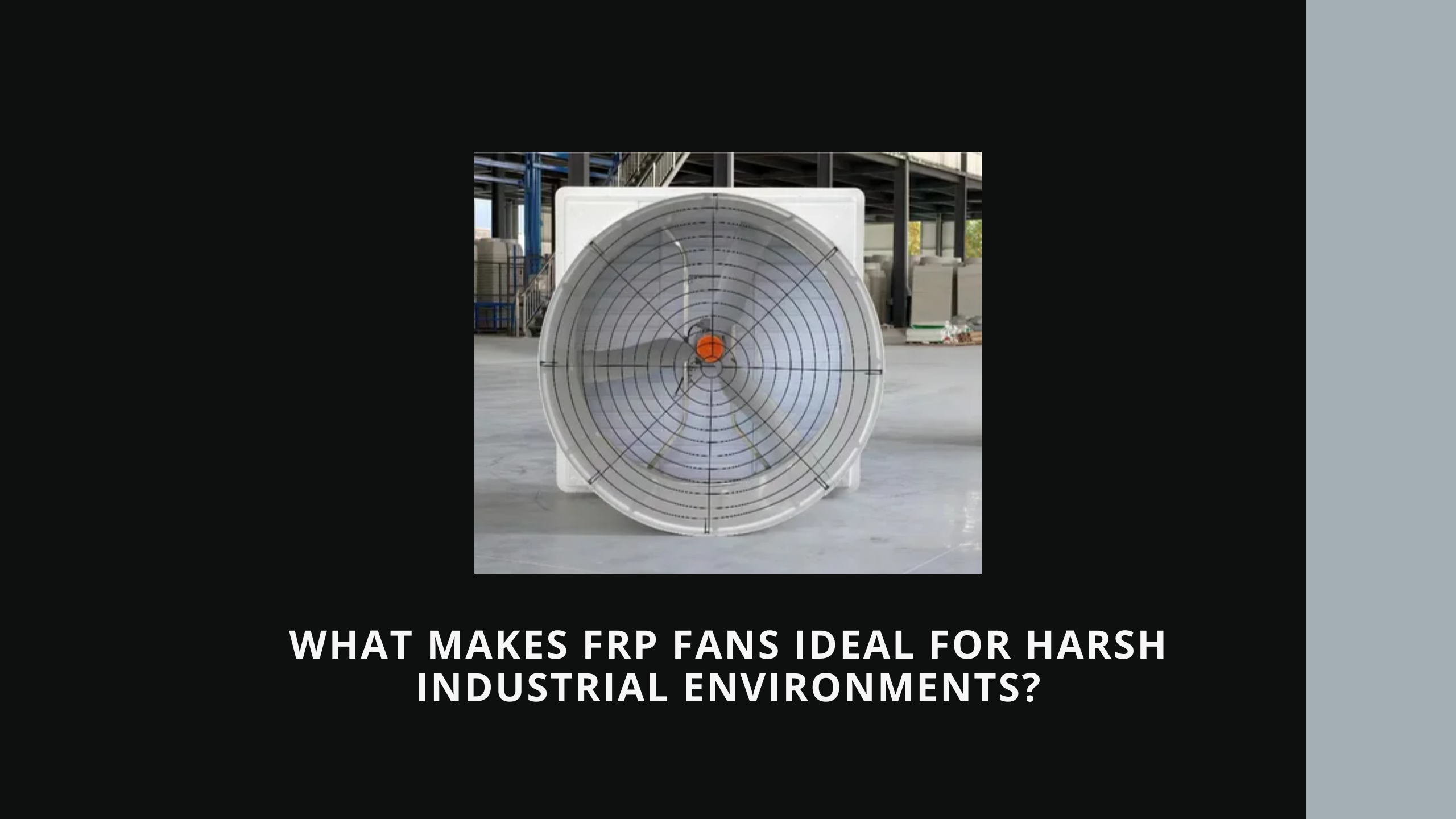
Industrial environments often operate under extreme conditions such as high temperatures, corrosive chemicals, moisture, dust, and continuous workloads. In such demanding settings, standard ventilation equipment may fail to perform efficiently or deteriorate quickly. This is where FRP fans have emerged as a reliable and long-lasting solution. Designed to withstand tough operating conditions, these fans play a critical role in maintaining air quality, safety, and productivity across various industries.
NOTE:- The FRP fiberglass exhaust fan had proven effective in removing heat, fumes, and harmful gases from demanding industrial spaces. Its lightweight structure and long service life made it a preferred choice. Businesses seeking dependable ventilation solutions were advised to reach out to Presto Electromechanics Company.
Understanding FRP Material and Its Industrial Value
FRP stands for Fiber Reinforced Plastic, a composite material made by combining a polymer matrix with reinforcing fibers. This structure gives the material exceptional strength while keeping it lightweight. In industrial ventilation, FRP material is valued for its resistance to corrosion, chemicals, and environmental stress. Unlike traditional metal fans that may rust or weaken over time, FRP-based systems maintain their structural integrity even in aggressive industrial atmospheres.

Superior Resistance to Corrosion and Chemicals
One of the main reasons FRP fans are ideal for harsh industrial environments is their outstanding resistance to corrosion. Many industries such as chemical processing, wastewater treatment, electroplating, and fertilizer manufacturing release corrosive fumes and gases. Metal exhaust fans often suffer from rust and surface damage when exposed to such conditions. FRP fans, however, are naturally resistant to acids, alkalis, and chemical vapors, making them suitable for long-term use without frequent repairs or replacements.
Lightweight Design with High Structural Strength
Despite being lightweight, FRP fans offer excellent mechanical strength. Their low weight makes installation easier and reduces the load on supporting structures. This is particularly beneficial in large industrial setups where ventilation systems are installed at heights or over long duct runs. At the same time, the strength of FRP ensures the fan can operate continuously without deformation, even under high airflow pressure and vibration.
Reliable Performance in High-Temperature Conditions
Harsh industrial environments often involve elevated temperatures generated by machinery, furnaces, or manufacturing processes. FRP fans are designed to perform efficiently within a wide temperature range. Special resins used in their construction allow them to tolerate heat without cracking or losing performance. This makes them a dependable option for factories and plants where consistent ventilation is required to control heat buildup.
Low Maintenance and Long Service Life
Maintenance costs are a major concern in industrial operations. Equipment downtime not only affects productivity but also increases operational expenses. FRP fans require minimal maintenance compared to metal alternatives. Since they do not rust, corrode, or degrade easily, the need for frequent inspections, repainting, or part replacement is significantly reduced. Their long service life translates into lower total ownership costs, making them a cost-effective investment over time.
Energy Efficiency and Improved Airflow
Efficient airflow is essential for removing heat, fumes, dust, and harmful gases from industrial spaces. FRP fans are engineered with aerodynamic designs that enhance airflow while consuming less energy. Their smooth internal surfaces reduce air resistance, allowing the fan to move large volumes of air efficiently. This energy-efficient performance helps industries reduce power consumption while maintaining a safe and comfortable working environment.
Noise Reduction and Workplace Comfort
Excessive noise from industrial equipment can negatively impact worker comfort and safety. FRP fans generally operate more quietly than traditional metal fans due to their vibration-dampening properties. Reduced noise levels contribute to a better working environment, helping industries comply with occupational safety standards and improve overall employee well-being.
Versatility Across Multiple Industries
FRP fans are widely used across a range of industrial sectors. They are commonly found in chemical plants, pharmaceutical units, food processing facilities, power plants, textile mills, and wastewater treatment plants. Their ability to adapt to different operating conditions makes them a versatile ventilation solution. Whether the requirement is to handle corrosive fumes or maintain fresh airflow in dusty environments, FRP fans can be customized to meet specific industrial needs.
Conclusion
FRP fans have proven to be an ideal choice for harsh industrial environments due to their corrosion resistance, high strength-to-weight ratio, thermal stability, and low maintenance requirements. Their ability to deliver reliable airflow while withstanding aggressive conditions makes them a preferred ventilation solution for modern industries. By investing in FRP-based ventilation systems, industrial facilities can enhance safety, improve efficiency, and achieve long-term cost savings.
For More Insightful Articles Related To This Topic, Feel Free To Visit: https://myqif.com/