English
 Arabic
 French
 Spanish
 Portuguese
 Deutsch
 Turkish
 Dutch
Dutch
 Italiano
 Russian
 Romaian
 Portuguese (Brazil)
 Greek
Greek
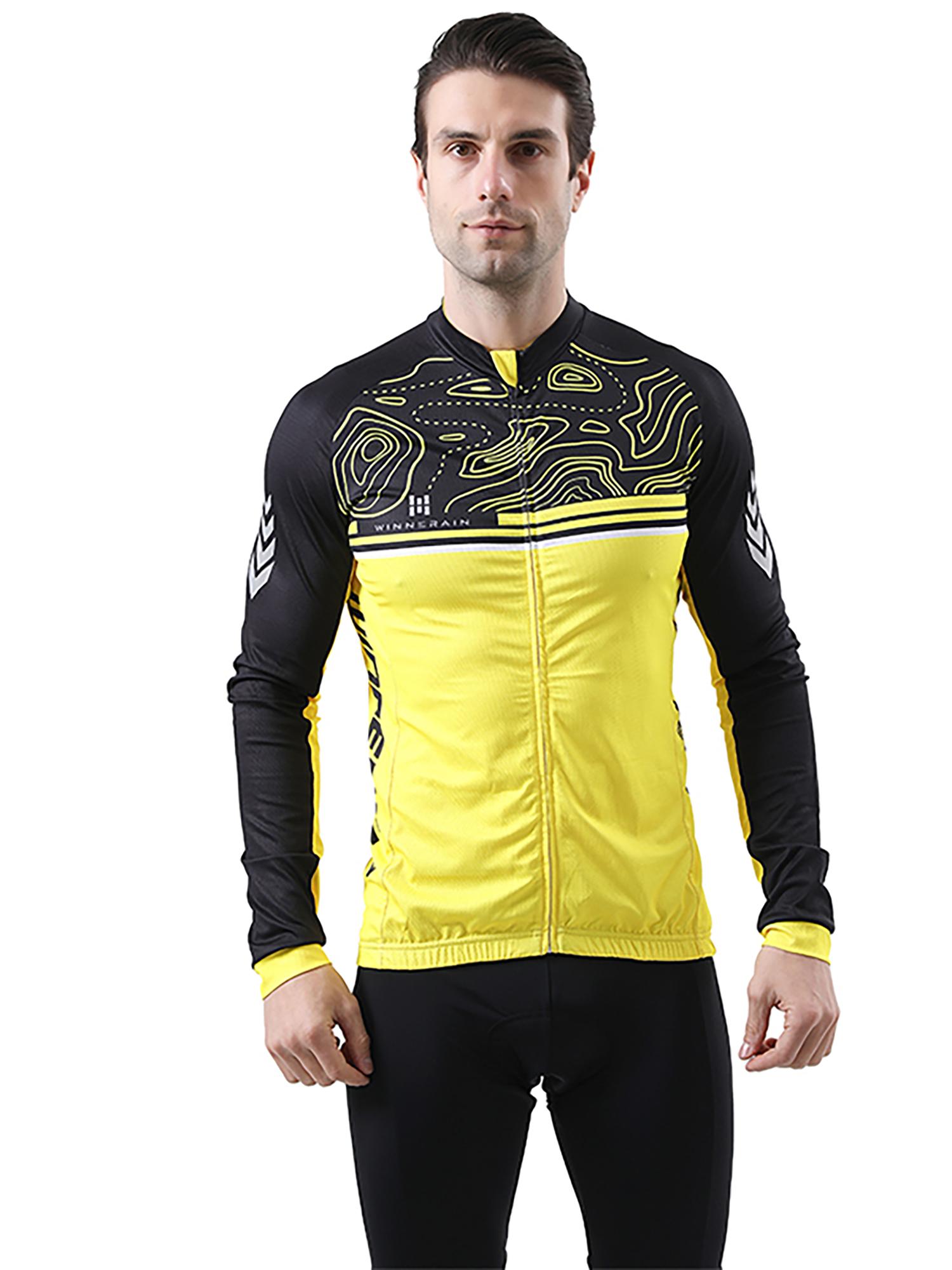
Spending time in the water should feel refreshing, not uncomfortable. Yet many swimmers, surfers, and beach lovers struggle with painful skin irritation, sunburn, and fabric chafing after just a short session. Ordinary swimwear often fails to protect the skin from UV rays, saltwater friction, and constant movement. This is where the right rashguard makes a real difference—by solving problems that traditional swimwear simply can’t.
Why Regular Swimwear Isn’t Enough for Active Water Use
Standard swimwear is usually designed for lounging, not performance. During swimming, surfing, or water sports, repeated motion causes fabric to rub against the skin, leading to rashes and redness. Add strong sunlight and saltwater, and the discomfort only gets worse.
A well-designed rashguard acts as a protective barrier. It reduces friction, shields skin from harmful UV rays, and stays securely in place even during intense movement. Without this protection, many people end up cutting their water time short due to discomfort.
Sun Exposure Is a Bigger Risk Than Most People Realize
One of the most overlooked problems is prolonged sun exposure. Sunscreen alone isn’t always reliable—it washes off, needs frequent reapplication, and can miss sensitive areas like shoulders and upper back.
A quality rashguard provides built-in UV protection, covering large areas of the body consistently. This is especially important for long beach days, surfing sessions, and water sports where reapplying sunscreen isn’t practical. The right fabric blocks harmful rays while remaining breathable and lightweight.
Poor Fabric Leads to Overheating and Discomfort
Many people assume that adding another layer will feel hot and restrictive. That’s true with low-quality materials. Cheap rashguards trap heat, feel heavy when wet, and take too long to dry.
High-performance rashguards use moisture-wicking, quick-dry fabrics that regulate body temperature. They stay light in the water, dry fast on land, and feel smooth against the skin. This balance of protection and comfort is what separates reliable rashguards from basic swim tops.
Fit Problems Can Ruin Performance
Another common frustration is poor fit. A rashguard that’s too loose rides up constantly, while one that’s too tight restricts movement and breathing. Flat seams, stretch recovery, and ergonomic pattern design all play a role in how comfortable a rashguard feels during use.
Properly constructed rashguards move with the body, maintain their shape, and stay in place without constant adjustment. This is essential for swimming, paddleboarding, snorkeling, and other active water sports.
Why Construction Quality Matters
Behind every dependable rashguard is thoughtful manufacturing. From fabric selection to stitching techniques, quality control ensures durability and long-term performance. Reinforced seams prevent tearing, while stretch fabrics maintain elasticity after repeated exposure to saltwater and chlorine.
Brands that prioritize professional production standards deliver rashguards that last longer and perform better in real conditions. This is why many buyers look to trusted sources like rashguard specialists when searching for reliable waterwear solutions.
Choosing a Rashguard That Actually Protects You
Instead of settling for irritation, sunburn, and discomfort, it’s worth choosing waterwear designed for protection and performance. Look for features like UV-resistant fabric, flatlock stitching, quick-dry materials, and a secure athletic fit.
For swimmers and water sports enthusiasts who want dependable protection and comfort, rashguard options built for real use make all the difference. When your rashguard works properly, you can stay in the water longer—without worrying about your skin.