English
 Arabic
 French
 Spanish
 Portuguese
 Deutsch
 Turkish
 Dutch
Dutch
 Italiano
 Russian
 Romaian
 Portuguese (Brazil)
 Greek
Greek
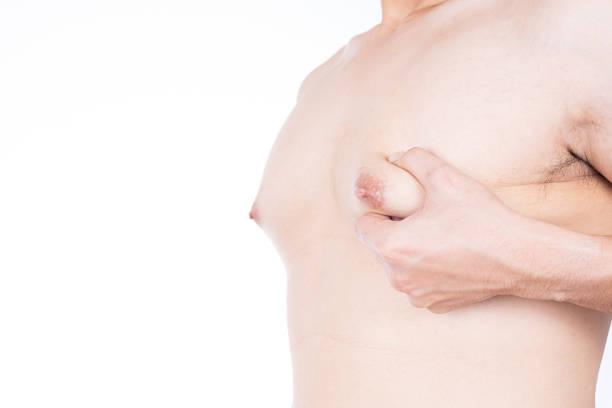
Hormonal imbalances are a common reason why men seek Gynaecomastia Surgery in Dubai later in life. Unlike cases primarily caused by fat deposition, these cases involve true glandular growth driven by testosterone-estrogen imbalance. Patients often worry that surgery won’t fully resolve the issue if hormones remain uncontrolled. Clinically, surgery is highly effective, but understanding hormonal influences, timing, and recovery nuances is essential for realistic expectations.
Understanding Hormonal Gynaecomastia
What distinguishes hormonal cases from others?
Hormonal gynaecomastia is marked by:
-
Firm gland tissue rather than soft fat
-
Often bilateral presentation
-
Less response to exercise or weight loss
Patients typically notice the chest feels consistently dense, and changes are gradual but persistent.
Pre-Surgical Assessment
How do doctors prepare for hormonal cases?
Before surgery, clinicians assess:
-
Hormone levels (testosterone, estrogen)
-
Medical history for endocrine conditions
-
Medications that affect hormones (e.g., steroids, certain heart or psychiatric medications)
This helps determine if surgery should proceed immediately or follow hormonal management.
Surgical Approach for Hormonal Gynaecomastia
Are techniques different than typical cases?
Yes. Hormonal cases usually require more precise gland excision because fat alone is insufficient. Key steps include:
-
Small, well-placed incisions around the areola
-
Careful removal of firm gland tissue
-
Targeted liposuction for contouring if necessary
-
Assessment for symmetry and natural chest shape
Precision reduces the risk of residual tissue or uneven appearance.
Recovery Considerations
Is healing different for hormonal cases?
Recovery timelines are similar to typical gynaecomastia surgery, but patients may experience:
-
Slightly more firmness initially due to dense tissue removal
-
Compression garments remain critical for contouring
-
Mild soreness rather than sharp pain
Adherence to aftercare guidance is especially important to ensure optimal outcomes.
Hormonal Control and Long-Term Results
Can surgery fail if hormones are uncontrolled?
Surgery addresses existing tissue. If hormonal imbalance persists, new growth is possible but rare. In clinical observation:
-
Stabilized hormone levels pre- or post-surgery lead to long-term results
-
Monitoring and follow-up with endocrinologists is recommended for high-risk cases
Patient Experiences
“I had tried controlling my weight and exercise, but the firmness didn’t budge. Surgery finally gave me a flat chest.” — Ahmed, 37
“Knowing my hormone levels were stable made me feel confident about the surgery outcome.” — Riaz, 34
Frequently Asked Questions
Do hormonal cases require more surgery time?
Slightly, due to careful gland excision and symmetry assessment.
Can surgery affect hormone levels?
No. Surgery removes tissue but does not alter endocrine function.
Are results permanent in hormonal cases?
Yes, as long as hormone levels are stable and monitored.
Should I continue medications after surgery?
Follow your doctor’s advice. Most continue routine prescriptions without interruption.
Is recurrence common?
Recurrence is uncommon if hormones are controlled and surgical removal is complete.
Why Choose Us
At Tajmeels Clinic, hormonal gynaecomastia cases are approached with a combination of medical evaluation, precise surgical technique, and tailored recovery guidance to maximize safety and results.