English
 Arabic
 French
 Spanish
 Portuguese
 Deutsch
 Turkish
 Dutch
Dutch
 Italiano
 Russian
 Romaian
 Portuguese (Brazil)
 Greek
Greek
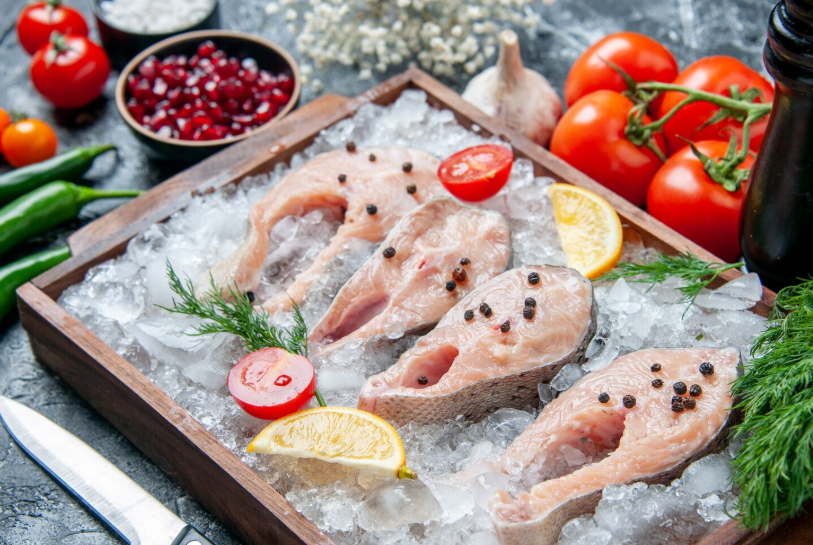
Frozen food has revolutionized modern cooking by offering convenience, long shelf life, and consistent quality. From meals to snacks, frozen food allows households to enjoy diverse cuisines quickly without compromising flavor or nutrition.
Whether you’re stocking your freezer for busy weekdays or planning a quick meal, frozen food provides endless possibilities.
What Is Frozen Food?
Frozen food is any food preserved at low temperatures to extend shelf life and maintain freshness. This includes:
- Vegetables and fruits
- Meat and seafood
- Ready-to-eat meals
- Snacks and desserts
Modern freezing techniques ensure minimal nutrient loss while locking in flavor.
Benefits of Frozen Food
- Convenience
- Quick meal preparation
- Ideal for busy lifestyles
- Preserves food for weeks or months
- Reduces food waste
- Many frozen fruits and vegetables retain vitamins and minerals
- Frozen meals can include balanced nutrition
- International cuisines available at home
- Options for dietary preferences: vegan, gluten-free, low-fat
Popular Frozen Food Categories
- Frozen Meals: Lasagna, pasta, rice dishes, and more.
- Frozen Snacks: Empanadas, samosas, mozzarella sticks.
- Frozen Desserts: Ice cream, pastries, cakes.
- Frozen Ingredients: Vegetables, seafood, and meat for home cooking.
Frozen food caters to every taste and dietary requirement.
Tips for Cooking Frozen Food
- Follow package instructions for oven, stove, or microwave cooking.
- Avoid refreezing thawed items to maintain quality.
- Pair frozen meals with fresh sides for balanced nutrition.
Why Frozen Food Is Popular
- Saves time and effort in the kitchen
- Accessible variety of cuisines
- Consistent taste and quality
- Perfect for busy families, students, or office lunches
Conclusion
Frozen food combines convenience, nutrition, and taste in one package. With endless options for meals, snacks, and desserts, frozen food is an essential part of modern kitchens.