English
 Arabic
 French
 Spanish
 Portuguese
 Deutsch
 Turkish
 Dutch
Dutch
 Italiano
 Russian
 Romaian
 Portuguese (Brazil)
 Greek
Greek
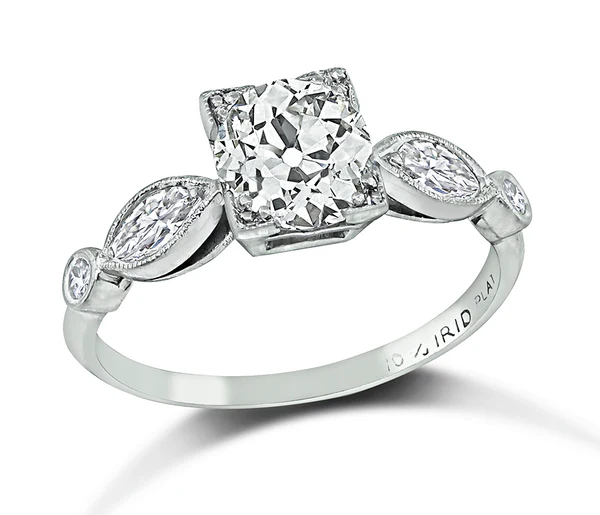
Understanding the Difference
The primary distinction lies in age. Antique rings are generally defined as pieces that are at least 100 years old. They come from historical periods such as Georgian, Victorian, or Edwardian eras, each known for distinct design language and handmade techniques. Vintage rings, on the other hand, are typically 20 to 100 years old and often reflect styles from the Art Deco, Retro, or Mid-Century periods.
While both categories are older than contemporary jewelry, antique pieces feel more like historical artifacts, whereas vintage rings often bridge the gap between classic and modern aesthetics. Knowing this difference helps buyers align their choice with personal taste and lifestyle.
Craftsmanship and Artistic Value
Older rings were created during a time when jewelry was crafted almost entirely by hand. Antique pieces especially showcase rare techniques such as hand engraving, filigree work, and delicate milgrain detailing. These methods required immense skill and patience, resulting in rings that feel like miniature sculptures.
Vintage rings still maintain high craftsmanship but may incorporate early industrial tools alongside handmade artistry. The Art Deco period, for example, introduced geometric precision and bold symmetry that still feels modern today. Buyers drawn to ornate detail may lean toward antique rings, while those preferring structured elegance often gravitate toward vintage designs.
Durability and Wearability
A practical consideration when choosing between the two is everyday wear. Antique rings have survived a century or more, which proves their resilience, but they may require extra care. Settings can be delicate, and gemstones might show signs of age. Some collectors choose to wear antique rings occasionally rather than daily.
Vintage rings, being slightly newer, are often better suited for regular wear. Advances in metalworking during the early 20th century improved structural strength, making many vintage settings more durable for modern lifestyles. Buyers should always have older jewelry inspected by a professional jeweler to ensure security and comfort.
Style Preferences and Personal Expression
Choosing a ring is deeply personal. Antique jewelry often appeals to romantic personalities who appreciate ornate detail, symbolism, and historical charm. Victorian rings, for instance, frequently feature floral motifs, colored gemstones, and sentimental engravings. These designs evoke softness and emotional storytelling.
Vintage rings can feel bolder and more fashion-forward. Art Deco pieces showcase strong lines, contrasting stones, and architectural influence. Retro-era rings introduce dramatic scale and sculptural shapes. People who want a statement piece that still carries history may find vintage options better suited to their style.
Ultimately, the right choice depends on whether the wearer connects more with delicate old-world romance or confident early-modern glamour.
Emotional and Historical Significance
One of the most compelling reasons to choose older jewelry is the emotional depth it carries. Antique rings may have witnessed generations of love stories, migrations, celebrations, and hardships. They are physical links to the past. Wearing one feels like continuing a legacy.
Vintage rings also carry nostalgia, often reminding people of grandparents, classic cinema, or iconic fashion eras. The emotional connection may be less distant historically but equally powerful. Both categories offer a sense of continuity that modern jewelry rarely replicates.
For many buyers, the decision becomes less about age and more about which story resonates personally.
Sustainability and Ethical Appeal
Modern consumers increasingly value sustainability, and choosing older jewelry aligns naturally with that mindset. Purchasing antique or vintage pieces reduces demand for new mining and manufacturing, making it an environmentally conscious choice. These rings already exist; selecting them extends their life rather than consuming additional resources.
Ethical sourcing is another factor. Many antique and vintage stones predate contemporary supply chains, meaning buyers can enjoy fine gemstones without contributing to current environmental concerns. This adds another layer of meaning to the purchase.
Investment and Value Retention
Older jewelry can also hold financial appeal. Antique rings, due to rarity and historical significance, often appreciate in value over time. Their scarcity increases desirability among collectors. Vintage rings may not always rise in value as dramatically, but iconic pieces from recognized periods or designers can still become strong investments.
That said, emotional value often outweighs monetary return. Buyers typically choose these rings because they feel special, not because they expect resale profit. Still, knowing a piece retains value offers reassurance.
Restoration and Maintenance
Both antique and vintage rings may require restoration. Skilled jewelers specialize in preserving original character while strengthening structural integrity. Restoration should never erase historical features; instead, it should respect the ring’s authenticity.
Maintenance is part of owning historical jewelry. Regular inspections, gentle cleaning, and careful storage help ensure longevity. Owners become caretakers of history, responsible for protecting craftsmanship for future generations.
Making the Final Choice
When deciding between antique and vintage rings, there is no universally correct answer. The choice depends on lifestyle, aesthetic preference, and emotional connection. Some people are drawn to the poetic fragility of antique jewelry, valuing its deep historical roots. Others prefer the balance vintage rings strike between durability and heritage.
Trying on pieces can reveal unexpected preferences. A ring that looks delicate in photos might feel perfectly wearable in person. Buyers should take time to explore different eras, learn their stories, and trust their instincts.
A Ring That Reflects Identity
More than anything, choosing older jewelry is about identity. These rings are not trend-driven purchases; they are reflections of personality and values. They represent appreciation for craftsmanship, respect for history, and desire for individuality.
Whether antique or vintage, the right ring becomes part of the wearer’s life story. It gathers new memories while honoring the past. That blend of continuity and personal expression is what makes historical jewelry endlessly captivating.
In the end, the decision is not just about age classification. It is about connection — to art, to heritage, and to the enduring human tradition of marking love with something beautiful and lasting.