English
 Arabic
 French
 Spanish
 Portuguese
 Deutsch
 Turkish
 Dutch
Dutch
 Italiano
 Russian
 Romaian
 Portuguese (Brazil)
 Greek
Greek
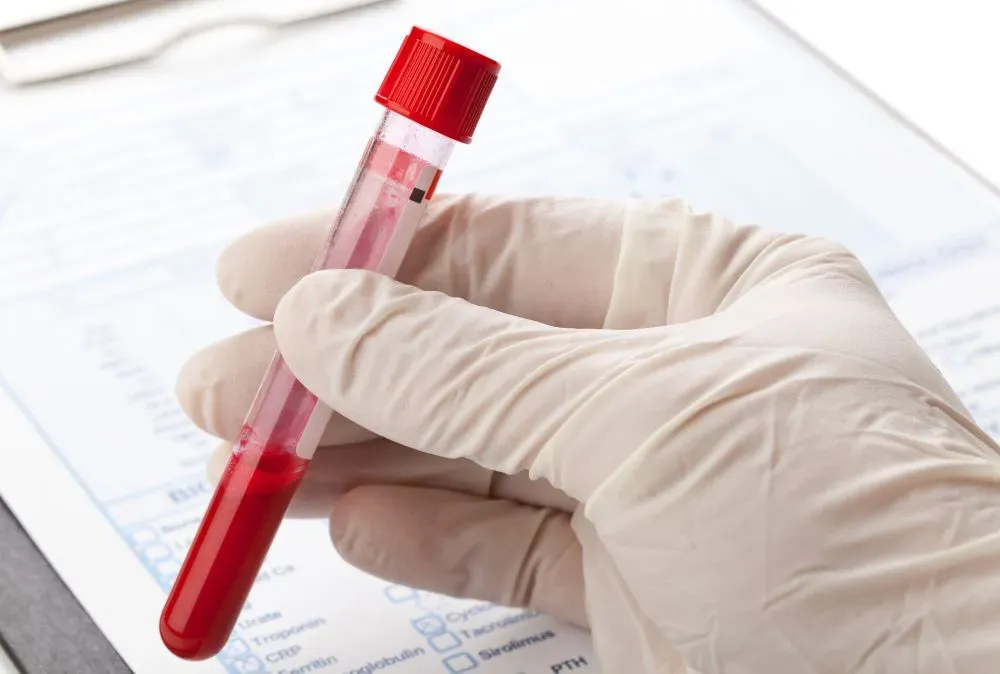
Choosing to get an STD Test in Dubai can feel stressful, especially if you’re worried about confidentiality, discomfort, or how quickly results will arrive. Many patients delay testing because they fear embarrassment or bad news. In clinical practice, we consistently see that the testing process is far simpler—and more reassuring—than expected. Modern screening methods are quick, medically precise, and handled with strict privacy protocols. This guide explains what really happens during testing, realistic timelines, actual sensations patients report, and what to expect afterward so you can approach screening with clarity and confidence.
Why Is Fast STD Testing Important?
Early detection prevents complications and reduces transmission risk. Many sexually transmitted infections show minimal or no symptoms in early stages.
In clinical settings, we often diagnose infections in patients who felt completely well. Testing is not only about symptoms—it’s about responsible preventive care.
You should consider testing if you:
-
Had unprotected intercourse
-
Started a new relationship
-
Are planning pregnancy
-
Noticed unusual discharge, irritation, or sores
-
Were informed of a partner’s positive result
What Happens During an STD Test Appointment?
Understanding the structure of the visit reduces anxiety significantly.
Step 1: Private Medical Consultation
The appointment begins with a confidential discussion about:
-
Recent exposure timing
-
Symptoms (if any)
-
Previous testing history
-
Risk profile
There is no judgment—only clinical assessment.
Step 2: Test Selection Based on Risk
Doctors do not order random panels. Testing is selected according to:
-
Window periods
-
Type of exposure
-
Gender-specific risk factors
-
Symptom presentation
This ensures accuracy and avoids unnecessary testing.
Step 3: Sample Collection
Testing may involve:
-
Blood sample
-
Urine sample
-
Vaginal or urethral swab
The collection process usually takes under 10 minutes.
Does an STD Test Hurt?
Is the blood draw uncomfortable?
Most patients describe the blood test as a brief pinch lasting a few seconds. The sensation is comparable to routine laboratory work. Some experience mild arm tenderness afterward, but it resolves quickly without treatment.
Patients often report:
-
Quick needle sensation
-
Slight pressure during collection
-
No lingering pain
What does a swab test feel like?
Swab testing may create temporary pressure or brief sharpness depending on the site. Women often compare it to a Pap smear. Men describe urethral swabs as momentarily uncomfortable but very quick.
Based on follow-up conversations, discomfort fades immediately after the sample is taken.
How Fast Are Results Available?
Testing speed depends on the infection screened.
Typical timelines:
-
HIV (4th generation): 1–3 days
-
Syphilis: 1–3 days
-
Chlamydia & Gonorrhea: 2–4 days
-
Hepatitis B & C: 2–4 days
Some rapid tests provide preliminary same-day results, but confirmatory testing may still be required.
In clinical experience, the waiting period causes more stress than the procedure itself.
What Is the Window Period and Why Does It Matter?
A window period is the time between exposure and when a test can accurately detect infection. Testing too early can result in false reassurance.
General guidance:
-
HIV: detectable within 2–6 weeks
-
Syphilis: typically 3–6 weeks
-
Chlamydia: around 1–2 weeks
Doctors may recommend repeat testing if exposure was recent.
Is STD Testing Confidential in Dubai?
Confidentiality is one of the most common concerns.
Licensed medical facilities follow strict privacy regulations. Results are shared only with the patient unless legally mandated otherwise. Identification and medical data are handled through secure systems.
In clinical practice, protecting patient privacy is treated as a fundamental ethical responsibility.
What Happens If a Test Is Positive?
Receiving a positive result can feel overwhelming. However, most STDs are treatable—and many are curable when detected early.
Treatment may include:
-
Short antibiotic course
-
Antiviral medication
-
Follow-up blood work
-
Partner notification guidance
In post-treatment follow-ups, patients often express relief once they begin therapy and understand their condition is manageable.
One patient, Omar, 32, shared:
"I was terrified before testing. When it came back positive for something treatable, I realized the fear was worse than the reality."
Another patient, Lina, 27, said:
"Getting tested gave me peace of mind. Even waiting for results felt easier than not knowing."
Are There Any Side Effects After Testing?
STD testing is medically low-risk.
Possible minor effects include:
-
Small bruise at blood draw site
-
Temporary irritation after a swab
-
Emotional anxiety while awaiting results
There are no long-term physical side effects from standard testing procedures.
Can You Have an STD Without Symptoms?
Yes. Many infections remain silent for months.
Chlamydia, gonorrhea, and even early HIV can present without noticeable signs. In clinical observation, asymptomatic detection is extremely common during routine screening.
This is why periodic testing is recommended even when you feel healthy.
How Often Should You Get Tested?
Frequency depends on lifestyle and risk exposure.
General recommendations:
-
Annually for sexually active adults
-
Every 3–6 months for higher-risk individuals
-
Immediately after suspected exposure
A personalized approach provides better accuracy than one-size-fits-all schedules.
Real Patient Experience: Emotional Journey
Before testing:
-
Anxiety about pain
-
Fear of positive results
-
Concern about confidentiality
During testing:
-
Professional, calm environment
-
Quick procedure
-
Less discomfort than anticipated
After testing:
-
Emotional relief
-
Increased awareness
-
Sense of control over health
In clinical settings, patients frequently say they wish they had tested earlier instead of worrying.
Comparison of Common STD Testing Methods
| Test Type | Sensation Level | Time Required | Recovery Time |
|---|---|---|---|
| Blood Test | Mild pinch | 5 minutes | None |
| Urine Test | No discomfort | 5 minutes | None |
| Swab Test | Brief pressure | 5 minutes | None |
All methods allow immediate return to normal activities.
Who Should Not Delay Testing?
Testing should not be postponed if you:
-
Have symptoms
-
Were informed of exposure
-
Are pregnant or planning pregnancy
-
Have multiple partners
Delaying increases risk of complications and transmission.
Why Choose Us
At Tajmeels Clinic, STD screening is conducted with strict confidentiality, evidence-based protocols, and individualized assessment. Testing panels are selected carefully according to exposure timing and medical history, ensuring accuracy without unnecessary procedures. The focus remains on clinical precision, patient comfort, and supportive follow-up care.
Frequently Asked Questions
How soon after exposure can I test?
Timing depends on the infection. Some conditions are detectable within two weeks, while others require several weeks for accurate results. A clinician will guide you based on exposure details.
Can I work after my STD test?
Yes. There is no downtime after testing. You can immediately return to normal daily activities.
Are rapid STD tests reliable?
Rapid tests are useful for preliminary screening, especially for HIV. However, confirmatory laboratory testing may still be required for accuracy.
Will insurance cover STD testing?
Coverage depends on your insurance policy and the reason for testing. It’s best to verify directly with your provider.
Is repeat testing ever necessary?
Yes. If testing occurs during the window period, repeat testing may be recommended to confirm results.
Final Thoughts
An STD Test in Dubai is a responsible, straightforward step toward protecting your health. The process is quick, confidential, and medically safe. In practice, most patients leave feeling empowered rather than anxious. Early testing provides clarity—and clarity protects your future wellbeing.