English
 Arabic
 French
 Spanish
 Portuguese
 Deutsch
 Turkish
 Dutch
Dutch
 Italiano
 Russian
 Romaian
 Portuguese (Brazil)
 Greek
Greek
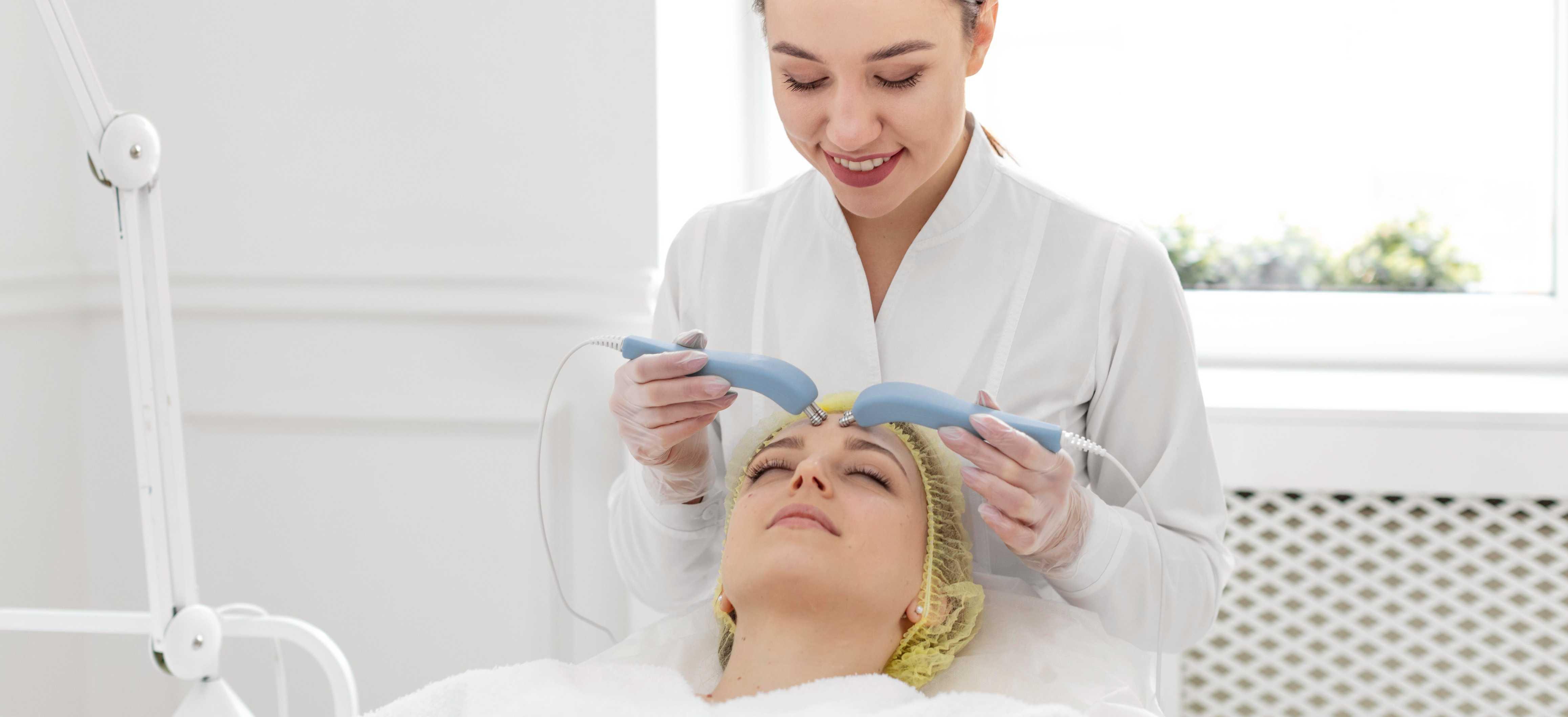
Pigmentation and dark spots are among the most common skin concerns today. They can appear due to sun exposure, acne marks, hormonal changes, aging, or even genetics. While many creams and home remedies claim to lighten pigmentation, they often take a long time and may not deliver noticeable results. That is why many people now prefer advanced options like laser skin rejuvenation treatment in Raleigh to target stubborn discoloration more effectively and safely.
In this blog, we will explore the best laser treatments for pigmentation and dark spots, how they work, who they are best for, and what you should expect from the process.
What Causes Pigmentation and Dark Spots?
Before choosing a laser treatment, it’s important to understand what you’re treating. Dark spots and pigmentation usually occur when the skin produces excess melanin (the pigment that gives skin its color). This can happen due to:
-
Sun damage (solar lentigines)
-
Post-inflammatory hyperpigmentation (PIH) after acne or injury
-
Melasma, often linked to hormones and pregnancy
-
Age spots, commonly appearing after 30+
-
Uneven skin tone from inflammation or environmental factors
Different pigmentation types respond differently to lasers, so proper evaluation is important.
Why Laser Treatment is Considered the Best Option
Laser technology works by sending focused light energy into the skin. This energy targets excess pigment in the deeper layers, breaks it down into smaller particles, and allows the body to naturally clear it away over time.
Compared to topical treatments, lasers can provide:
-
Faster visible improvement
-
More precise targeting
-
Better results for stubborn or deep pigmentation
-
Smoother and more even skin tone
-
Improved skin texture along with pigmentation correction
Best Laser Treatments for Pigmentation and Dark Spots
1. Q-Switched Laser (Best for Deep Pigment and Dark Spots)
Q-switched lasers are among the most popular and effective treatments for dark spots and pigmentation. They work by delivering quick bursts of energy that break pigment into tiny fragments without damaging surrounding skin.
Best for:
-
Sunspots
-
Age spots
-
Freckles
-
Post-acne marks
-
Some types of melasma (with caution)
Why it’s effective:
It targets pigment directly and works well for deeper discoloration that doesn’t respond to creams.
2. Pico Laser (Best for Faster Results and Minimal Downtime)
Pico lasers are an advanced form of pigment laser treatment. They deliver ultra-short pulses (picoseconds) that shatter pigment particles more efficiently than older lasers.
Best for:
-
Stubborn pigmentation
-
Acne scars + pigmentation combination
-
Dark spots that keep coming back
-
Uneven skin tone
Benefits:
-
Less heat damage
-
Faster healing
-
Better for sensitive skin types
-
Often fewer sessions compared to older lasers
Pico laser is widely considered one of the best modern solutions for pigmentation.
3. IPL (Intense Pulsed Light) (Best for Sun Damage and Redness)
Although IPL is not technically a laser, it is one of the most common treatments for pigmentation. It uses broad-spectrum light to target brown spots and redness.
Best for:
-
Sun damage
-
Mild pigmentation
-
Redness and rosacea
-
Uneven tone
Why people love IPL:
It improves overall skin clarity and gives a “glow” effect, especially for those with sun-exposed skin.
Important note:
IPL works best for lighter skin tones and may not be ideal for deeper skin tones without expert supervision.
4. Fractional Laser (Best for Pigmentation + Texture)
Fractional lasers are excellent when pigmentation is combined with skin texture issues like roughness, fine lines, or acne scars.
Best for:
-
Post-acne pigmentation
-
Enlarged pores
-
Mild scars
-
Fine lines with dark spots
How it works:
Fractional lasers treat small sections of skin at a time, stimulating collagen and skin renewal while improving pigmentation.
This option is great for people who want overall skin improvement, not just spot removal.
Which Laser is Best for Your Pigmentation?
The “best” laser depends on the type of pigmentation, your skin tone, and how sensitive your skin is.
Here’s a simple guide:
-
Sunspots & age spots: Q-switched laser or IPL
-
Deep dark spots: Pico laser or Q-switched
-
Acne pigmentation: Pico laser or fractional laser
-
Melasma: Gentle laser + strict skincare + expert evaluation
-
Pigmentation + fine lines: Fractional laser
A professional skin consultation is always recommended because incorrect laser settings can worsen pigmentation, especially in darker skin tones.
How Many Sessions Are Needed?
Laser treatment is not a one-time miracle. Most people need multiple sessions depending on the severity and type of pigmentation.
Typical session range:
-
Mild pigmentation: 2–3 sessions
-
Moderate pigmentation: 3–5 sessions
-
Deep or stubborn pigmentation: 5–8 sessions
Sessions are usually spaced 3–6 weeks apart to allow the skin to heal and regenerate properly.
What to Expect During the Procedure
Laser pigmentation treatments are usually quick and done in a clinic setting.
During the session:
-
Skin is cleansed
-
A cooling gel may be applied
-
Protective eyewear is used
-
Laser pulses are delivered to target areas
Most people describe the sensation as mild snapping or warmth. Some lasers feel stronger than others, but it is generally manageable.
After the session:
-
Slight redness is normal
-
Some spots may darken temporarily reported as “coffee ground” effect
-
Mild swelling can occur
-
Skin may feel sensitive for a day or two
Downtime depends on the laser type. IPL has minimal downtime, while fractional lasers may require a few days of recovery.
Aftercare Tips for Best Results
Aftercare is just as important as the laser itself. Without proper care, pigmentation can return or worsen.
Key aftercare tips:
-
Use broad-spectrum sunscreen SPF 30+ daily
-
Avoid direct sun exposure for at least 1–2 weeks
-
Do not pick or scratch treated areas
-
Use gentle skincare products for a few days
-
Avoid harsh scrubs and strong acids initially
-
Follow your provider’s instructions carefully
Sun protection is the biggest factor in maintaining long-term results.
Is Laser Treatment Safe for All Skin Types?
Laser treatments can be safe for most skin types when performed by trained professionals. However, darker skin tones need extra caution due to higher melanin levels, which increases the risk of post-treatment hyperpigmentation.
That’s why it’s important to:
-
Choose the right laser type
-
Use safe settings based on skin tone
-
Follow strict aftercare
With expert guidance, laser treatment can be highly effective and safe.
Final Thoughts
Pigmentation and dark spots can be frustrating, but advanced laser technology offers a reliable solution when topical treatments are not enough. From Q-switched and Pico lasers to IPL and fractional resurfacing, the best option depends on your skin type, pigmentation depth, and overall goals.
If you are considering Laser Skin Treatment in Raleigh, it’s best to consult a trusted clinic that offers customized treatment plans and safe laser technology. Solaesthetics provides professional support for skin concerns like pigmentation, uneven tone, and dark spots with advanced treatment options and expert care.