English
 Arabic
 French
 Spanish
 Portuguese
 Deutsch
 Turkish
 Dutch
Dutch
 Italiano
 Russian
 Romaian
 Portuguese (Brazil)
 Greek
Greek
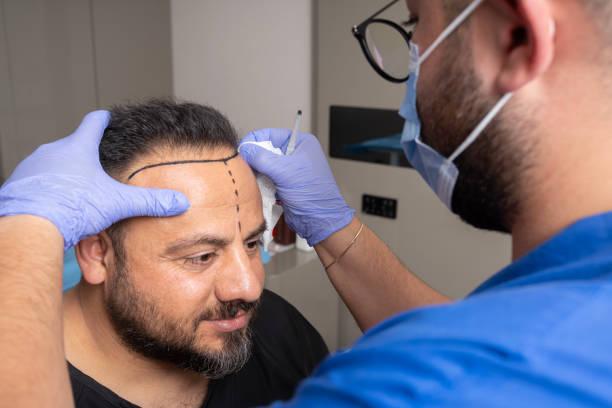
The success of a Hair Transplant in Dubai is not just determined in the operating theater, but in the critical days and weeks that follow. While the surgery itself is minimally invasive, the "newly planted" follicles are essentially living tissue in a state of transition, requiring specific environmental conditions to anchor and thrive. In clinical settings, we observe that the first 14 days are the most influential for graft survival. This guide breaks down the biological healing process, providing a day-by-day roadmap and clinical tips to navigate the recovery phase with confidence and ease.
What Does the First 48 Hours Post-Transplant Look Like?
The immediate post-operative window is focused on graft stabilization and managing the initial inflammatory response.
During this stage, the following clinical milestones occur:
-
The "Numb" Window: For the first 6–12 hours, your scalp will remain numb from the local anesthesia. As it wears off, you may feel a mild "burning" or "tingling" sensation.
-
Bandage Removal: Most patients return to the clinic 24 hours later to have their donor area bandages removed and the scalp inspected.
-
Graft Fragility: At this point, the grafts are only held in place by fibrin (natural "glue"). Any friction, rubbing, or bumping of the head can physically dislodge them.
-
Fluid Drainage: It is normal to see clear or slightly pinkish fluid oozing from the donor site; this is simply the anesthetic and saline exiting the tissue.
Is Swelling Normal After Hair Transplant in Dubai?
Forehead swelling, or "oedema," is a common physiological reaction to the local anesthetic and the micro-trauma of the procedure.
How can I manage post-operative facial swelling?
In clinical settings, we observe that swelling typically peaks on day 3 or 4. To minimize this, you must sleep with your head elevated at a 45-degree angle for at least the first 5 nights. Using a travel (U-shaped) neck pillow can prevent you from rolling over and accidentally rubbing your grafts against the bedding. Applying a cold compress to the forehead (never the graft area) and wearing a specialized headband provided by the clinic can also prevent fluid from migrating down toward your eyes.
What are the Actual Pain Levels During the First Week?
While "pain" is subjective, the recovery period is generally characterized by "discomfort" rather than acute pain.
What sensations should I expect as the scalp heals?
Based on post-procedure follow-ups, the most common sensation is a "tightness" in the donor area and a "grazing" feeling in the recipient area, similar to a mild sunburn. By day 4, many patients experience significant itching. This is a positive sign of healing nerves and tissue, but it requires discipline; you must not scratch. Using a saline spray provided by the clinic can hydrate the scalp and provide instant, soothing relief without risking the integrity of the grafts.
Realistic Timeline: From Scabs to "Shock Loss"
The visual journey of recovery often involves stages that can be surprising to first-time patients.
What happens to the scabs and the new hair?
-
Days 7–10 (The Scab Phase): Tiny crusts form around each graft. Around day 10, you will begin a "gentle soak" wash to soften and gradually remove these scabs using the pulp of your fingers—never your nails.
-
Weeks 2–4 (The "Ugly Duckling" Phase): This is the most psychologically challenging stage. The transplanted hair shafts will begin to shed. Clinically, this "shock loss" is normal; the follicles are simply entering a resting phase before they begin to grow permanent hair.
-
Month 3 and Beyond: The "Dormant Phase" ends, and you will see fine, wispy hairs breaking through the skin. These will thicken and darken month by month, with the final result maturing at the 12-to-15-month mark.
Safety Considerations: Red Flags During Recovery
While complications are rare, knowing how to distinguish between normal healing and "red flag" symptoms is vital for your peace of mind.
When should you contact your surgical team immediately?
-
Excessive Bleeding: While minor spotting is normal, any active, continuous bleeding that doesn't stop with gentle pressure requires attention.
-
Signs of Infection: If you notice yellow or greenish pus, a foul odor, or if the scalp feels increasingly hot and painful after day 5.
-
Persistent Fever: A temperature above 38°C after the first 48 hours can be a sign of a systemic response or infection.
-
Severe, Worsening Swelling: If swelling extends significantly past the eyes or is accompanied by severe pain, it may require a clinical anti-inflammatory intervention.
-
Allergic Reactions: Sudden hives, difficulty breathing, or intense, spreading redness could be a reaction to post-op medications.
Why Choose Tajmeels Clinic for Your Recovery Support?
At Tajmeels Clinic, our care doesn't end when you leave the operating room. Our approach to Hair Transplant in Dubai includes a comprehensive "Aftercare Package" designed to take the guesswork out of your recovery. We provide specialized pH-balanced shampoos, saline mists, and detailed washing instructions to ensure your scalp remains a perfect environment for growth. Our team is available for scheduled follow-ups and via direct messaging for any urgent questions you may have during your first 14 days. By choosing Tajmeels Clinic, you are choosing a partner who is as invested in the "settling" of your grafts as you are in the final result.
Genuine Patient Perspectives
"The first three nights of sleeping upright were the hardest part. I used a neck pillow and sat up in a recliner. By day 10, when the scabs finally washed off, it was such a relief—the skin underneath looked clean and pink, and I knew the worst was over." — Jassim A.
"I panicked when all my new hair fell out in the third week, even though the doctor told me it would happen. But Tajmeels was so patient with me; they answered my WhatsApp messages instantly and reminded me it was just 'shock loss.' Now, at six months, it's all growing back thicker than ever." — Markus V.
Frequently Asked Questions
When can I wear a baseball cap?
Most patients can wear a loose-fitting, adjustable cap after 7 to 10 days, once the grafts have anchored.
Can I smoke during recovery?
No, you should avoid smoking for at least 2 weeks, as nicotine constricts blood flow to the scalp and can kill the new follicles.
When can I return to the gym?
Light walking is fine after 7 days, but avoid heavy lifting or intense cardio for 3 weeks to prevent blood pressure spikes.
How do I wash my hair for the first time?
You will typically have your first wash at the clinic. After that, you will use a gentle "tapping" motion with foam shampoo, rinsing with a cup rather than a direct shower spray.
Is the "Shock Loss" permanent?
Absolutely not. It is a temporary shedding of the hair shaft; the living follicle remains healthy and will produce a new hair within 3–4 months.
When can I go into the Dubai sun?
Avoid direct, prolonged sun exposure for at least 3 months. If you must go out, wear a loose hat to protect the sensitive, healing skin from UV damage.