English
 Arabic
 French
 Spanish
 Portuguese
 Deutsch
 Turkish
 Dutch
Dutch
 Italiano
 Russian
 Romaian
 Portuguese (Brazil)
 Greek
Greek
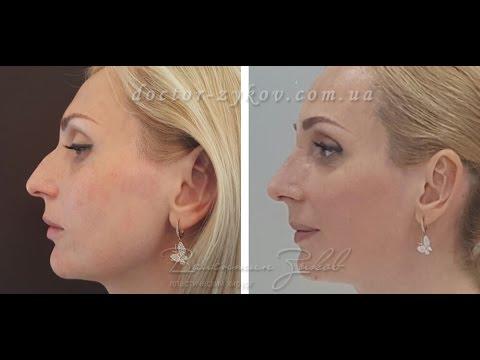
Understanding the Different Types of Rhinoplasty Available in Riyadh
When considering facial enhancement, the sheer variety of surgical and non-surgical options can feel overwhelming. Navigating the world of Rhinoplasty in Riyadh(تجميل الأنف في الرياض) requires an understanding that this is not a "one size fits all" procedure. Instead, it is a highly customized surgery that can be tailored to address specific anatomical concerns, cultural aesthetics, and functional needs. As Riyadh has grown into a world-class center for plastic surgery, the techniques available have become increasingly sophisticated. Whether a patient is looking for a subtle refinement of the nasal tip or a complete reconstruction of the nasal bridge, the capital’s medical facilities offer a spectrum of approaches designed to deliver natural-looking and long-lasting results.
Open Rhinoplasty: For Complex Transformations
Open rhinoplasty is often considered the "gold standard" for complex cases that require significant structural changes. In this procedure, the surgeon makes a small, discreet incision across the columella—the narrow strip of tissue that separates the nostrils. This allows the skin of the nose to be gently lifted, providing the surgeon with an unobstructed view of the underlying bone and cartilage.
The primary advantage of the open approach is the level of precision it offers. Because the surgeon has a clear "road map" of the nasal anatomy, they can perform intricate sculpting, place structural grafts with pinpoint accuracy, and correct severe asymmetries. This technique is frequently used in Riyadh for:
-
Revision Rhinoplasty: Correcting issues from a previous surgery.
-
Major Reconstructive Work: Addressing significant trauma or congenital deformities.
-
Complex Tip Contouring: Refining a bulbous or "boxy" nasal tip that requires internal support.
While the recovery for open rhinoplasty may involve slightly more initial swelling compared to other methods, the tiny scar on the columella typically fades within a few months until it is virtually invisible to the naked eye.
Closed Rhinoplasty: The Scarless Approach
Also known as endonasal rhinoplasty, the closed technique is favored by many patients in Riyadh who prioritize a faster recovery and no external scarring. In a closed procedure, all incisions are made entirely inside the nostrils. The surgeon then works through these narrow openings to reshape the nose.
Because there are no external cuts, the "scarless" nature of this surgery is its biggest draw. However, it requires a high degree of technical skill, as the surgeon must operate with limited visibility. Closed rhinoplasty is ideal for:
-
Dorsal Hump Removal: Smoothing out a bump on the bridge of the nose.
-
Minor Tip Refinement: Making subtle adjustments to the shape or rotation of the tip.
-
Slight Narrowing: Reducing the width of the nasal bridge without major structural overhaul.
Patients choosing the closed method often experience less post-operative edema (swelling) and a quicker return to their social and professional lives.
Functional Rhinoplasty and Septorhinoplasty
In a city like Riyadh, where environmental factors such as dust and seasonal allergens are common, many people suffer from chronic breathing difficulties. Functional rhinoplasty focuses on correcting internal structures to improve airflow. This is often combined with cosmetic changes in a procedure known as Septorhinoplasty.
The focus here is on the "three pillars" of nasal function:
-
The Septum: Straightening a deviated septum that blocks one or both nostrils.
-
The Turbinates: Reducing enlarged tissue inside the nose that causes congestion.
-
The Nasal Valves: Strengthening the internal or external valves to prevent them from collapsing during inhalation.
By addressing these issues, a surgeon can significantly enhance a patient's quality of life, improving sleep, reducing snoring, and increasing exercise tolerance, all while refining the external appearance of the nose.
Preservation Rhinoplasty: The Modern Trend
One of the most exciting advancements available in Riyadh today is Preservation Rhinoplasty. Traditionally, rhinoplasty often involved "reductive" techniques—cutting away bone and cartilage to create a smaller shape. This sometimes led to an "operated" look or long-term structural weakness.
Preservation rhinoplasty flips this concept on its head. Instead of removing the "roof" of the nose to lower a hump, the surgeon removes a small amount of bone or cartilage from underneath the bridge, allowing the entire structure to settle lower while keeping the natural bridge intact.
-
Benefits: It maintains the natural lines and "fingerprint" of the patient’s nose.
-
Recovery: Since the skin and soft tissues are minimally disrupted, bruising is significantly reduced.
-
Aesthetic: It is the ultimate choice for those seeking a result so natural that even close friends might not realize surgery was performed.
Ethnic Rhinoplasty: Honoring Heritage
Riyadh is a melting pot of cultures, and surgeons in the city are experts in "Ethnic Rhinoplasty." This specialized approach recognizes that the "ideal" nose varies significantly across different heritages. The goal is not to create a Westernized nose, but to enhance the patient’s features while preserving their ethnic identity.
For Middle Eastern patients, this often involves:
-
Refining Thick Skin: Using specialized techniques to ensure the new nasal shape is visible through thicker dermal layers.
-
Supporting the Tip: Middle Eastern nasal anatomy often features a "drooping" tip due to weaker cartilage; surgeons use grafts to provide lasting lift and definition.
-
Balanced Reduction: Softening a prominent profile while maintaining a strong, dignified bridge that complements other facial features.
Non-Surgical Rhinoplasty: The "Liquid Nose Job"
For those not ready for the operating room, non-surgical rhinoplasty offers a temporary but effective alternative. Using high-quality dermal fillers, a specialist can "camouflage" minor imperfections.
| Feature | Surgical Rhinoplasty | Non-Surgical Rhinoplasty |
| Primary Goal | Permanent restructuring. | Temporary contouring. |
| Procedure Time | 2–4 hours. | 15–30 minutes. |
| Recovery | 1–2 weeks of downtime. | Zero downtime. |
| Longevity | Permanent. | 12–18 months. |
| Capabilities | Can reduce size and fix breathing. | Can only add volume/smooth bumps. |
This "lunchtime procedure" is perfect for filling in a small depression on the bridge or slightly lifting a drooping tip. While it cannot make a nose smaller or fix a deviated septum, it is a popular choice for those wanting a "trial run" of a new look before committing to surgery.
Conclusion: Your Path to a New Profile
The diversity of rhinoplasty options in Riyadh ensures that every patient can find a solution that fits their specific goals. Whether you require the precision of an open procedure, the discretion of a closed approach, or the modern artistry of preservation techniques, the key to success lies in a detailed consultation. By understanding the unique benefits of each type, you can work with a specialist to create a surgical plan that honors your anatomy and brings your vision to life.