English
 Arabic
 French
 Spanish
 Portuguese
 Deutsch
 Turkish
 Dutch
Dutch
 Italiano
 Russian
 Romaian
 Portuguese (Brazil)
 Greek
Greek
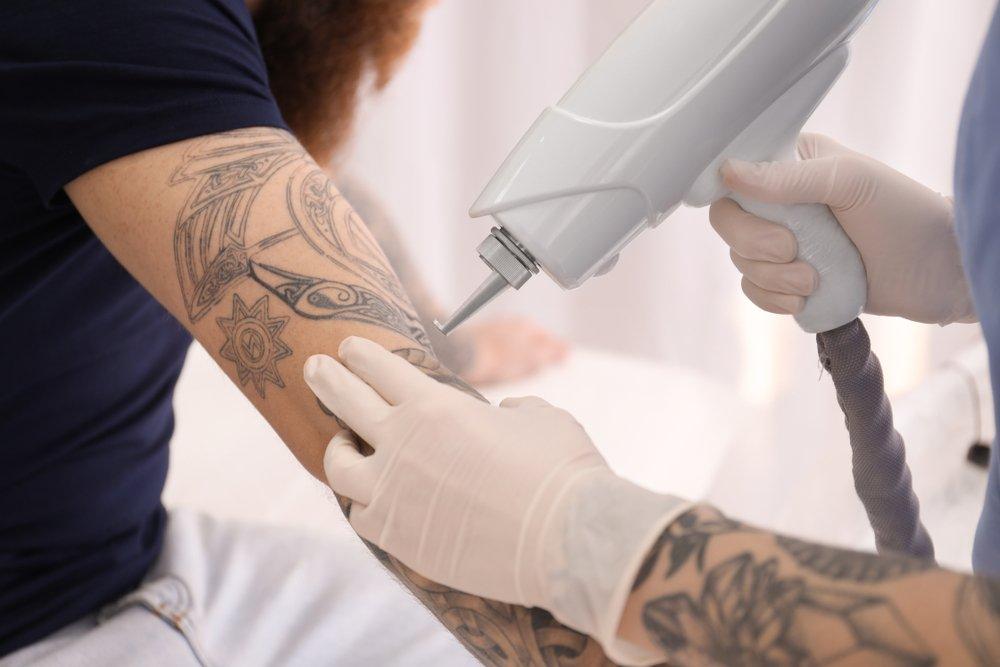
In Riyadh, tattoo removal has become a highly sought-after cosmetic procedure, driven by advancements in laser technology, increased awareness of safe practices, and a rise in qualified dermatologists and aesthetic clinics offering professional services. This process uses specialized lasers to break down ink particles embedded in the skin, allowing the body’s immune system to remove them gradually over time. Unlike surgical excision or chemical methods, laser treatment is non-invasive and designed to minimize scarring, downtime, and discomfort. Permanent tattoo removal in Riyadh offers advanced laser treatments designed to safely fade and eliminate unwanted ink with minimal downtime.
How Laser Tattoo Removal Works
Laser tattoo removal operates on the principle of selective photothermolysis — using brief, high-intensity pulses of light that are absorbed by the tattoo pigment in the dermis while sparing surrounding tissues. Each laser emits a specific wavelength of light that corresponds to particular ink colors: darker inks like black absorb a wider range of wavelengths, while brighter colors like green, blue, or red require more targeted wavelengths and advanced laser systems. After laser exposure, the tattoo ink fragments into smaller particles that the body’s lymphatic and immune systems can filter out over subsequent weeks.
Because this is a biological process that depends on the body’s ability to clear ink particles, most people require multiple sessions spaced several weeks apart to see significant fading or complete removal of a tattoo. The number of sessions varies based on the tattoo’s size, depth, ink color and composition, age of the tattoo, and individual skin type.
Types of Laser Technology Used in Riyadh
1. Q-Switched Lasers
One of the most established and widely used systems in Riyadh clinics is the Q-Switched laser, known for its reliability and effectiveness — particularly on dark pigments like black and dark blue. These lasers produce intense pulses of light in the nanosecond range, meaning each burst is extremely short but powerful enough to crack the ink into microscopic fragments that can be passed out by white blood cells.
Q-Switched systems can come in different wavelengths (such as 1064 nm and 532 nm) to target different pigments and skin depths. Clinics often combine these wavelengths or adjust settings depending on the tattoo’s characteristics. While they may require more sessions than newer technologies for some color pigments, they remain a cost-effective choice and are widely used in both dermatology and cosmetic laser centers.
2. Picosecond Lasers
Picosecond lasers represent the latest innovation in tattoo removal technology and are increasingly offered in Riyadh’s advanced clinics. “Pico” refers to the pulse duration — picoseconds are trillionths of a second — which is far shorter than the nanosecond pulses of traditional Q-Switched lasers. This ultra-rapid delivery of energy creates a powerful photoacoustic effect that shatters ink particles with minimal heat build-up in the surrounding tissue.
Because they break down pigment more efficiently, picosecond lasers can often reduce the number of sessions required, produce faster results, and cause less discomfort. They are especially effective for stubborn or brightly colored tattoos — like greens, blues, and yellows — which are typically more resistant to conventional lasers.
Clinical Practice in Riyadh
In Riyadh, several clinics specialize in laser tattoo removal, offering both types of laser systems depending on the patient’s needs. Examples of such clinics include عيادة جلدية تجميل ليزر, novello clinics عيادات نوفيللو, and Radiance Beauty Clinic عيادات ريديانس للتجميل. Many clinics also perform a consultation and skin assessment before beginning treatment to evaluate the best laser approach — whether Q-Switched, picosecond, or a combination — based on skin tone, tattoo color, and goals.
These centers are typically staffed by certified dermatologists and laser specialists experienced in cosmetic procedures. During a session, patients often receive protective eyewear, and cooling devices or topical anesthetics are used to reduce discomfort. The entire session can take anywhere from 10 to 60 minutes depending on the tattoo’s size and placement.
Safety and Aftercare
Laser tattoo removal is considered safe when performed by trained professionals in a clinical setting. Riyadh clinics follow strict hygiene and safety standards to minimize risks like infection, blistering, or pigmentation changes. Patients are usually advised to protect the treated area from sun exposure, keep it clean and moisturized, and avoid strenuous activities immediately after a session to promote healing.
Because laser removal works by breaking down ink pigment rather than eliminating it instantly, it’s important for clients to have realistic expectations. Some tattoos, particularly multicolored or layered designs, may fade slowly over many sessions, and complete removal isn’t guaranteed in all cases. However, many people achieve significant fading or near-complete removal with dedicated treatment plans.
Conclusion
Laser tattoo removal in Riyadh combines advanced laser technology, professional clinical care, and customized treatment strategies. With both established Q-Switched lasers and cutting-edge picosecond systems available, residents have access to safe and effective options for eliminating unwanted tattoos. By choosing a qualified clinic and understanding the science behind the technology, patients can undergo the process with confidence, minimal discomfort, and results tailored to their skin and tattoo needs.