English
 Arabic
 French
 Spanish
 Portuguese
 Deutsch
 Turkish
 Dutch
Dutch
 Italiano
 Russian
 Romaian
 Portuguese (Brazil)
 Greek
Greek
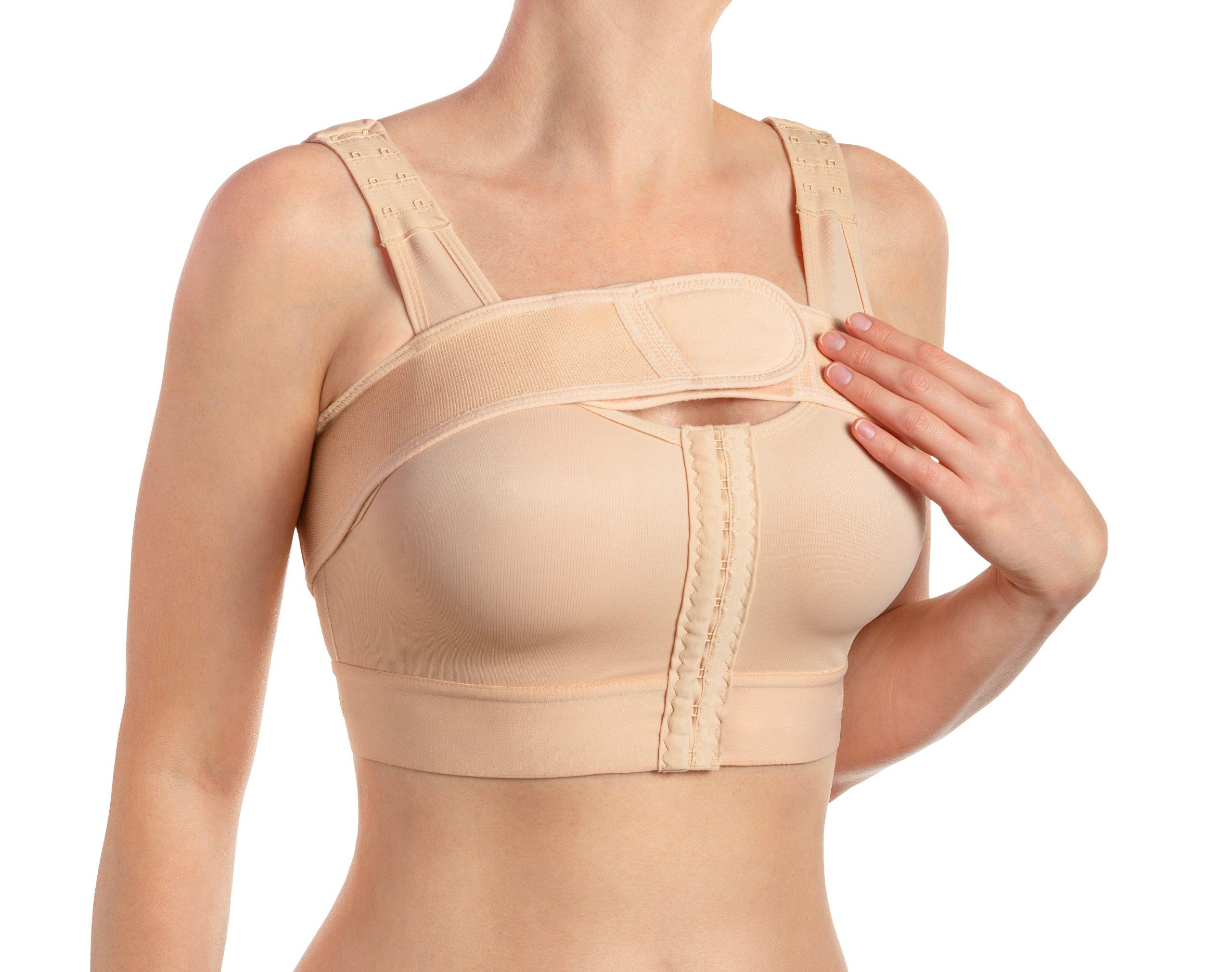
Breast lift surgery, medically known as mastopexy, is a cosmetic procedure designed to raise and reshape sagging breasts. Many individuals experience changes in breast shape and firmness over time due to factors such as aging, pregnancy, breastfeeding, weight fluctuations, and genetics. These changes can lead to a loss of elasticity in the skin, resulting in drooping or a stretched appearance. A breast lift does not significantly alter the size of the breasts, although it can be combined with augmentation or reduction procedures to achieve a more comprehensive transformation. The primary goal is to restore a youthful and aesthetically pleasing contour by repositioning the breast tissue and nipple-areola complex. Breast lift surgery in Riyadh offers women the opportunity to restore a youthful contour and improve overall breast shape.
The surgical process begins with a consultation in which a plastic surgeon evaluates the patient’s anatomy, skin quality, breast volume, and personal goals. During this discussion, the surgeon considers the position of the nipples and areolas relative to the chest wall, as well as the degree of sagging, which is medically referred to as ptosis. Different techniques are available depending on the severity of ptosis and the desired outcome. Common approaches include the periareolar, vertical, and inverted-T or anchor methods. The periareolar technique involves an incision around the edge of the areola, ideal for mild sagging. The vertical technique, also called the lollipop lift, adds a vertical incision from the bottom of the areola to the breast crease, addressing moderate sagging. The inverted-T or anchor method uses a combination of periareolar, vertical, and horizontal incisions along the breast crease, suitable for more pronounced sagging or larger breast lifts.
During the surgery, excess skin is removed, and the underlying breast tissue is lifted and reshaped to create a firmer, more youthful appearance. The nipples and areolas are often repositioned to sit higher on the breast mound, which is particularly important when they point downward due to drooping. In some cases, the areola size may be reduced to achieve better proportionality. The surgeon carefully plans the incisions to minimize visible scarring while ensuring that the final breast shape is balanced and natural-looking. In modern practice, techniques and suture methods are designed to support long-lasting results and reduce the risk of complications such as asymmetry, loss of nipple sensation, or poor wound healing.
Anesthesia is typically administered during a breast lift, and most procedures are performed under general anesthesia, although some patients may be eligible for local anesthesia with sedation. The surgery usually takes two to three hours, depending on the complexity and whether additional procedures, such as breast augmentation, are performed simultaneously. After surgery, patients are monitored in a recovery area before being allowed to go home the same day or after an overnight stay in some cases. Recovery involves wearing a supportive surgical bra or compression garment to reduce swelling and support the healing tissues. Pain, swelling, and bruising are common initially, but these symptoms gradually subside over several weeks. Most patients can return to normal daily activities within one to two weeks, while more strenuous exercise and lifting should be avoided for four to six weeks to allow proper healing.
Long-term results of a breast lift can be highly satisfying, as the procedure effectively addresses sagging and restores a youthful contour. However, it is important to note that factors such as aging, gravity, pregnancy, and weight changes can affect the longevity of results. While the surgery does not stop natural changes in the breast over time, it can provide significant aesthetic improvement and boost self-confidence. Patients are encouraged to maintain a stable weight and practice good skin care to help preserve the outcome. Additionally, realistic expectations and open communication with the surgeon are crucial for achieving a result that aligns with the patient’s goals.
Potential risks and complications are similar to those associated with other surgical procedures and include infection, bleeding, scarring, changes in nipple sensation, and asymmetry. Most complications are rare, and careful preoperative planning combined with adherence to postoperative instructions can significantly reduce these risks. Surgeons may provide guidelines on wound care, activity restrictions, and signs of complications to monitor during the recovery phase. Follow-up appointments are essential to ensure proper healing, evaluate the results, and address any concerns that may arise.
In summary, breast lift surgery is a specialized procedure aimed at restoring a youthful, elevated breast contour by removing excess skin and repositioning the breast tissue and nipple-areola complex. It is an effective solution for individuals experiencing sagging due to natural aging, pregnancy, breastfeeding, or other factors. With appropriate surgical planning, skilled execution, and adherence to postoperative care, patients can achieve a natural-looking, aesthetically pleasing result that enhances body proportion and self-confidence. Understanding the process, techniques, and recovery expectations is essential for making an informed decision and achieving a satisfying outcome.