English
 Arabic
 French
 Spanish
 Portuguese
 Deutsch
 Turkish
 Dutch
Dutch
 Italiano
 Russian
 Romaian
 Portuguese (Brazil)
 Greek
Greek
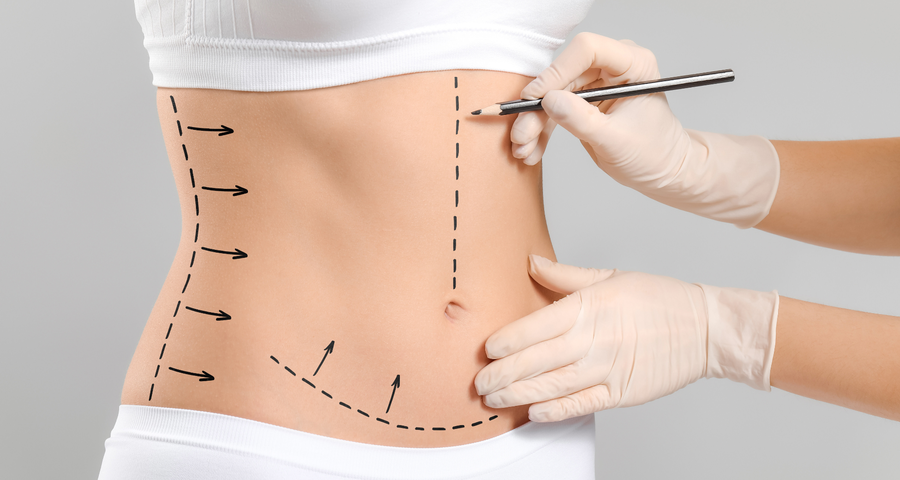
Liposuction is a cosmetic surgical procedure designed to remove stubborn pockets of fat that don’t respond well to diet and exercise. It’s not a treatment for general obesity or a weight-loss method, but rather a body-contouring technique to reshape specific areas like the abdomen, thighs, arms, or flanks.
In Riyadh, as in many major cities, liposuction is offered by qualified plastic surgeons and aesthetic clinics with various techniques available — from traditional suction to ultrasound-assisted (VASER) and laser-assisted options.
Liposuction in Riyadh has become an increasingly popular option for individuals seeking effective body contouring and fat reduction solutions.
Before the Procedure — What Happens First
1. Initial Consultation and Evaluation
The first step is a face-to-face consultation with your surgeon, where you’ll discuss your goals, expectations, and medical history. This is your opportunity to:
-
Explain exactly what areas you want treated
-
Ask questions about risks, results, and recovery
-
Ensure your expectations are realistic
Your surgeon will assess your overall health, skin elasticity, weight stability, and body contour to determine if you are a good candidate. Liposuction works best when you are in good general health and near your ideal weight.
During this consultation, the surgeon may take measurements, photos, or mark the treatment areas to plan the ideal approach.
2. Medical Assessment and Tests
Before your surgery, you may be asked to complete some pre-operative tests, such as:
-
Blood tests (to check for anemia, clotting issues, or other concerns)
-
General health evaluations or ECG (for older patients or those with conditions)
-
Review of any current medications and supplements
These evaluations help ensure your body is medically safe for surgery and anesthesia.
Preparing Your Body for Surgery
3. Stop Certain Medications and Supplements
Your surgeon will give you a list of medications and supplements to avoid before surgery, especially those that can increase bleeding or interfere with anesthesia. These may include:
-
Aspirin and other NSAIDs (like ibuprofen)
-
Blood thinners
-
Certain herbals and supplements (e.g., fish oil, vitamin E)
Always follow your surgeon’s specific instructions about when to stop and restart these.
4. Lifestyle Adjustments
To improve your safety and enhance healing:
-
Quit smoking several weeks in advance — smoking reduces blood flow and slows healing.
-
Avoid alcohol before surgery — it can interfere with anesthesia and hydration.
-
Maintain a stable weight for several weeks or months before surgery. Big fluctuations in weight can reduce the longevity and quality of results.
-
Stay hydrated by drinking plenty of water in the days leading up to the procedure.
Diet, Hydration, and Physical Well-Being
5. Healthy Diet and Hydration
Eating a balanced, nutritious diet in the weeks before your liposuction can help support your immune system and healing. A diet rich in:
-
Lean proteins (chicken, fish, legumes)
-
Fruits and vegetables
-
Whole grains
…can improve your body’s resilience to surgery and shorten recovery. Hydration also plays a key role in blood circulation and tissue repair.
6. Fitness and Body Conditioning
Light physical activity, like walking or gentle exercise, helps improve circulation but avoid starting a new, intense exercise plan just before surgery. Good general fitness supports your body during anesthesia and reduces post-operative fatigue.
Practical Preparations for the Big Day
7. Planning Logistics and Support
Because liposuction involves anesthesia, you must:
-
Arrange for someone to take you home after surgery
-
Plan for at least a few days off work and regular duties
-
Prepare a comfortable recovery space at home, stocked with necessities like loose clothing, medications, water, and pillows
Most surgeons recommend having a caregiver or friend nearby for the first 24-48 hours to help with daily tasks and transportation.
8. Clothing and Comfort
Wear loose, comfortable clothing on the day of surgery — nothing tight or restrictive, as swelling can occur. Compression garments will be fitted after the procedure to help reduce swelling, contour the body, and support healing.
Emotional and Mental Preparation
9. Mindset and Expectations
Liposuction can significantly change your body contour, but:
-
Results are not instant — swelling can take weeks to fully subside
-
Final contours typically show over months as the body heals
-
This isn’t a complete weight-loss solution
It’s important to have realistic expectations and understand that results depend on your anatomy, surgeon skill, and post-operative care.
Final Checks on Surgery Day
10. Fasting and Anesthesia
You’ll be instructed to:
-
Fast (no food or drink) for a specified period before anesthesia
-
Avoid certain lotions, makeup, or products on your skin before the procedure
-
Report any changes in health (fever, cold, etc.) before arriving
Anesthesia can be local (for smaller areas) or general, depending on the extent of your surgery. Recovery from anesthesia itself affects how you feel immediately after, so proper fasting and preparation are key.
In Summary
Before your liposuction in Riyadh:
-
Expect thorough medical evaluation and consultation
-
Follow detailed pre-operative instructions
-
Make lifestyle changes to support healing
-
Arrange logistics and help for recovery
-
Prepare mentally with realistic expectations
With the right preparation and qualified surgeon, liposuction can be a safe and rewarding step toward the body contour you want.