English
 Arabic
 French
 Spanish
 Portuguese
 Deutsch
 Turkish
 Dutch
Dutch
 Italiano
 Russian
 Romaian
 Portuguese (Brazil)
 Greek
Greek
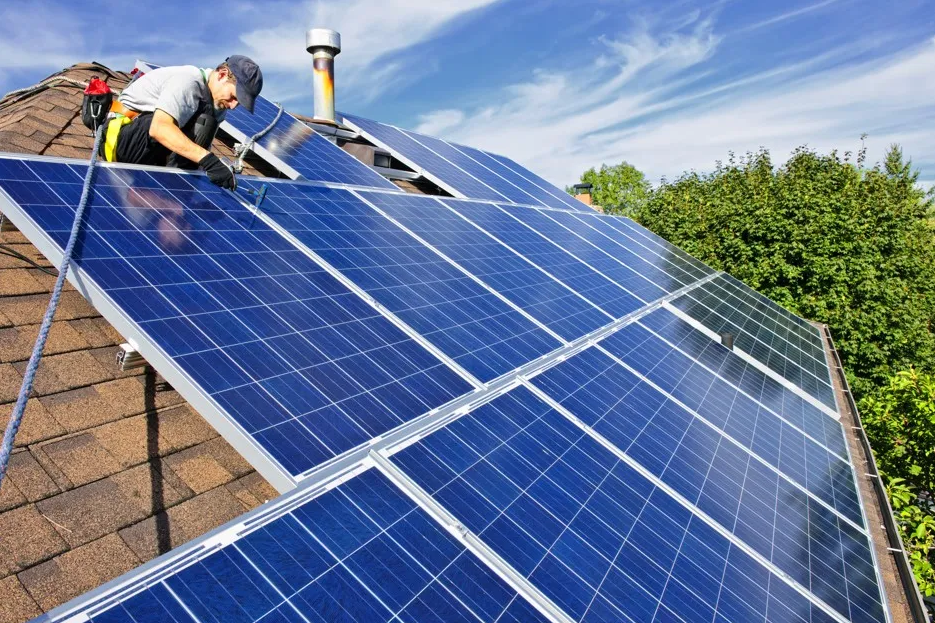
Installing solar panels for home is becoming an increasingly popular choice for homeowners who want to reduce electricity costs and adopt cleaner energy solutions. Solar technology has advanced significantly in recent years, making it more efficient and accessible than ever before. However, before making the decision to install solar panels, there are several important factors you should understand.
This guide will help you learn everything you need to know before installing solar panels for home, ensuring you make an informed and beneficial investment.
Understanding How Solar Panels Work
Before installing solar panels for home, it is essential to understand how they generate electricity. Solar panels contain photovoltaic (PV) cells that convert sunlight into electricity. When sunlight hits these cells, it creates an electric current that can power your household appliances.
The electricity generated can be used immediately, stored in batteries, or sent back to the grid depending on your system setup. Understanding this process helps homeowners better manage their energy usage and maximize solar efficiency.
Evaluating Your Home’s Solar Potential
Not every home is equally suitable for solar installation. Several factors determine whether solar panels for home will perform efficiently.
Roof Condition
Your roof should be strong enough to support the solar panel system for many years. If your roof is old or damaged, it may need repairs or replacement before installation.
Roof Orientation
Solar panels perform best when installed on roofs facing south or southwest in most regions. The angle and direction of your roof can significantly affect how much sunlight the panels receive.
Shading
Trees, nearby buildings, or other obstructions can block sunlight and reduce the performance of solar panels for home. A professional solar assessment can help determine if shading will impact your system.
Understanding the Installation Costs
The cost of installing solar panels for home varies depending on several factors, including the system size, equipment quality, and installation complexity. Although the initial investment may seem high, solar panels can significantly reduce long-term electricity expenses.
Homeowners should consider the following cost elements:
-
Solar panels and inverters
-
Mounting equipment
-
Installation labor
-
Electrical upgrades if required
-
Optional battery storage
Despite the upfront costs, many homeowners find that solar systems pay for themselves over time through energy savings.
Calculating Your Energy Needs
Before installing solar panels for home, it is important to analyze your household’s energy consumption. Reviewing your past electricity bills can help determine how much energy your home uses monthly.
A solar installer can design a system sized specifically to meet your energy needs. If your energy consumption is high, you may require a larger system with more panels.
Considering Solar Battery Storage
Many homeowners are now pairing solar panels for home with battery storage systems. Solar batteries allow you to store excess electricity produced during the day and use it at night or during power outages.
Benefits of solar batteries include:
-
Energy independence
-
Backup power during outages
-
Greater control over electricity usage
-
Increased savings in certain regions
While batteries add to the installation cost, they can improve the overall efficiency and reliability of your solar system.
Checking Local Regulations and Permits
Solar installations often require permits and must comply with local building codes and regulations. Before installing solar panels for home, you should check the rules in your area.
Some communities may have guidelines regarding:
-
Roof installations
-
System size limits
-
Electrical connections
-
Grid integration requirements
Working with a professional installer can help ensure that all necessary permits and approvals are obtained.
Choosing the Right Solar Installer
Selecting a qualified and experienced installer is crucial when installing solar panels for home. A reliable installer will assess your property, design a suitable system, and ensure safe installation.
When choosing an installer, consider:
-
Experience and certifications
-
Customer reviews
-
Warranty offerings
-
Quality of equipment used
-
Transparent pricing
A trustworthy installer can make the entire solar transition smooth and hassle-free.
Understanding Maintenance Requirements
One of the major advantages of solar panels for home is that they require minimal maintenance. Most systems only need occasional cleaning to remove dust, leaves, or debris that might block sunlight.
Regular system checks can also ensure that everything is functioning correctly. High-quality solar panels are designed to last for 20 to 25 years or more with proper care.
Estimating Long-Term Savings
One of the biggest reasons homeowners choose solar panels for home is the potential for long-term financial savings. By generating your own electricity, you can significantly reduce your reliance on traditional utility companies.
Savings depend on several factors such as:
-
Local electricity rates
-
System size
-
Sunlight availability
-
Energy consumption habits
Over time, these savings can offset the installation cost and provide a strong return on investment.
Final Thoughts
Installing solar panels for home is a smart step toward reducing electricity bills and embracing renewable energy. However, it is important to carefully evaluate factors such as roof condition, installation costs, energy needs, and local regulations before moving forward.
By planning properly and working with experienced professionals, homeowners can enjoy the long-term benefits of solar energy, including lower energy costs, increased property value, and a more sustainable lifestyle.