English
 Arabic
 French
 Spanish
 Portuguese
 Deutsch
 Turkish
 Dutch
Dutch
 Italiano
 Russian
 Romaian
 Portuguese (Brazil)
 Greek
Greek
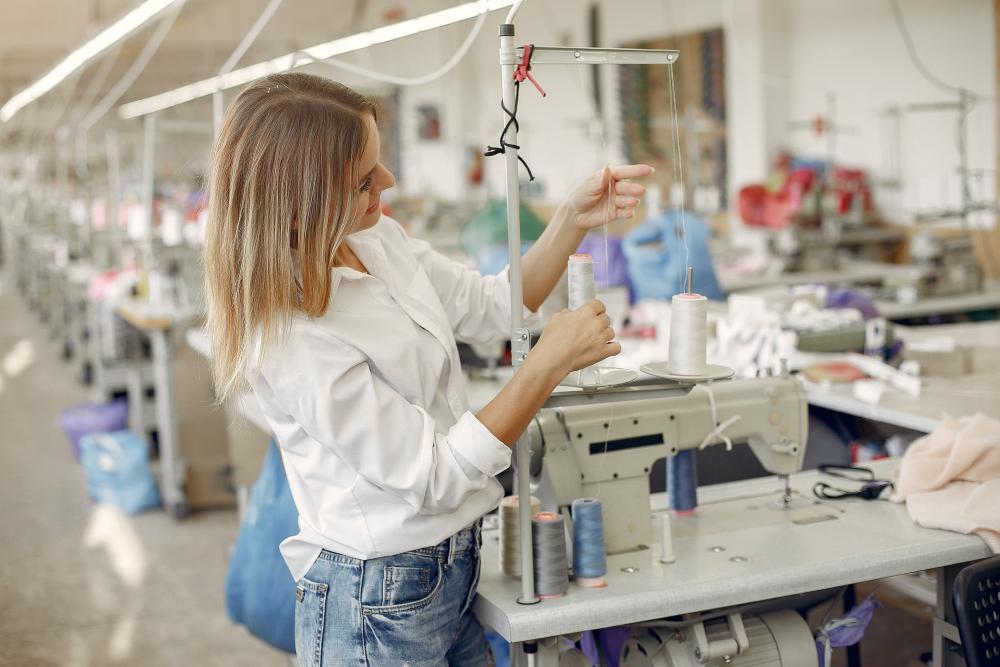
For B2B buyers, independent designers, and swimwear retailers, the search for the right bikini manufacturer is often the most significant hurdle in the business journey. While the bikini may seem like a simple garment due to its minimal fabric usage, it is arguably one of the most difficult items to produce with technical precision.
Because a bikini relies on high-tension fit and direct skin contact, there is zero margin for error. A slight miscalculation in elastic tension or a poor choice in hardware can turn a premium design into a high-return liability. As industry experts, we’ve identified the five primary pain points brands face when working with a production partner and the professional solutions to ensure your collection is a success.
1. The "Fit Inconsistency" Trap
In the swimwear world, a millimeter can be the difference between a flattering cut and a garment that simply doesn't stay in place.
-
The Problem: Many factories use "standardized" blocks that aren't optimized for modern, diverse body types. Furthermore, a bikini manufacturer might use the same pattern for a ribbed fabric as they do for a smooth tricot, ignoring that different textures have different "modulus" (stretch and recovery) ratings.
-
The Expert Solution: Prioritize a manufacturer that offers 3D Fit Simulation or extensive live-model wear testing. Your Tech Pack should specify the "Stretch Percentage" required. If you are switching fabric types, you must recalibrate your grade rules to ensure a Size Medium fits perfectly across every textile in your range.
2. Sourcing Sustainable vs. "Greenwashed" Textiles
Today’s B2B landscape is dominated by the demand for sustainability. However, sourcing the right materials remains a logistical minefield.
-
The Problem: Many manufacturers claim to use recycled fibers but lack the documented "Chain of Custody" to prove it. For a brand, selling a "sustainable" bikini that is actually made from virgin polyester is a massive legal and PR risk.
-
The Expert Solution: Partner with a bikini manufacturer that is certified by the Global Recycled Standard (GRS). Insist on using branded regenerated nylons like ECONYL® or Vita by Carvico. These aren't just eco-friendly; they offer superior chlorine resistance and UV protection (UPF 50+), which increases the garment's lifespan.
3. The Hardware Corrosion Crisis
Bikinis often feature decorative rings, sliders, and clasps. In a marine environment, these small components are frequent failure points.
-
The Problem: Inexpensive metal trims often tarnish, rust, or—even worse—heat up to skin-burning temperatures under the sun. Lower-quality plastics can become brittle and snap after exposure to salt water.
-
The Expert Solution: Exclusively specify Zamak (Zinc Alloy) hardware. Zamak is nickel-free, hypoallergenic, and remains cool to the touch even in high heat. Ensure your manufacturer provides a "Salt-Spray Test" report for all gold, silver, or rose-gold finishes to guarantee they won't corrode after a single season.
4. Navigating High MOQs and Inventory Risk
For emerging brands, the industry-standard Minimum Order Quantity (MOQ) is a significant barrier to entry.
-
The Problem: Traditional high-volume factories often demand 500–1,000 units per style/color. This forces brands to tie up all their capital in inventory, leaving nothing for marketing, and risks "deadstock" if a particular color doesn't perform.
-
The Expert Solution: Look for a bikini manufacturer that offers Agile Production or "Low MOQ" tiers (50–100 units). By utilizing digital sublimation printing, manufacturers can create custom patterns without the high setup costs of screen printing, allowing you to test more designs with less financial risk.
5. Seam Integrity and "Thread Snap"
Because bikinis are subject to constant stretching and pulling, the stitching is under immense pressure.
-
The Problem: Using a standard lockstitch or a basic zig-zag can lead to "thread snap" when the wearer puts the garment on. Furthermore, bulky seams can cause painful chafing on the delicate skin areas where bikinis sit.
-
The Expert Solution: Use ISO 607 Flatlock Stitching or specialized Soft-Stretch Overlock. These seams move with the fabric. Additionally, specify the use of bulky nylon thread for the loopers; it has a soft, wool-like texture that prevents irritation and provides maximum elongation without breaking.
Comparison: Standard Factory vs. Expert Bikini Manufacturer
| Feature | Standard "Fast Fashion" Factory | Professional Bikini Manufacturer |
| Stitching Tech | Standard Overlock | 6-Thread Flatlock / Active-Seam |
| Fabric Sourcing | Generic Polyester/Spandex | GRS Certified / ECONYL® / PBT |
| Hardware | Basic Plated Steel/Plastic | Salt-Spray Tested Zamak Alloy |
| Fitting | Static Mannequin Only | 3D Simulation & Live Fit Models |
| MOQ | High (1,000+) | Flexible / Low MOQ Options |
Scaling Your Brand with the Right Partner
The relationship between a brand and its bikini manufacturer should be a technical partnership, not just a transaction. By solving the challenges of fit consistency, hardware durability, and sustainable sourcing at the factory level, you create a product that justifies a premium price point and builds lasting customer trust.
In the "wave zone" of the swimwear industry, quality is the only thing that keeps a brand from sinking. When your production is engineered for performance, your brand is free to focus on growth.