English
 Arabic
 French
 Spanish
 Portuguese
 Deutsch
 Turkish
 Dutch
Dutch
 Italiano
 Russian
 Romaian
 Portuguese (Brazil)
 Greek
Greek
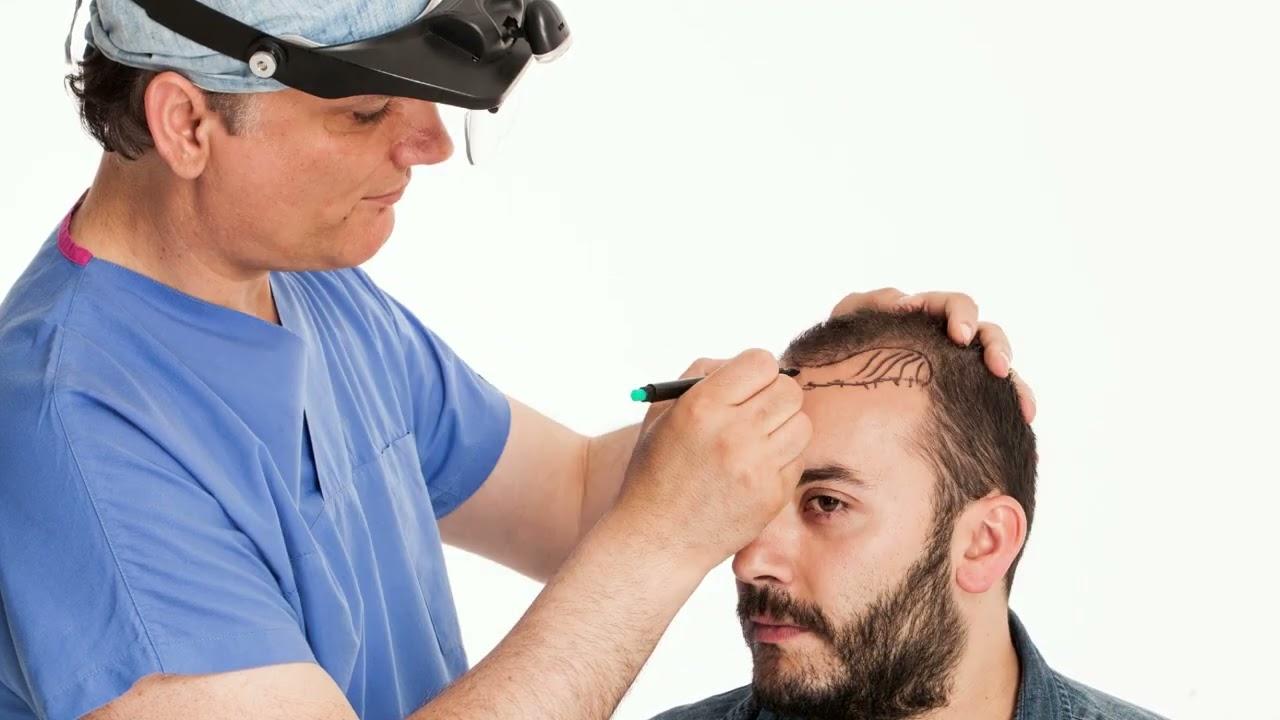
FUE vs. DHI: Which Hair Transplant Method is Right for You in Dammam?
Hair transplantation in Dammam(زراعة الشعر في الدمام) has reached a level of technological maturity where patients are no longer asking if they can restore their hair, but rather which specific method will yield the most natural and dense results for their unique scalp. In 2026, the debate primarily centers on two dominant techniques: Follicular Unit Extraction (FUE) and Direct Hair Implantation (DHI). While both methods share the same core principle of harvesting healthy follicles from a donor area, the way these follicles are re-implanted into the thinning zones differs significantly. In Dammam's leading clinics, the choice between FUE and DHI is treated as a clinical decision based on the extent of hair loss, the desired density, and the patient's lifestyle. Understanding the nuances of these "rival" techniques is the first step in ensuring that your hair restoration journey is tailored to your specific anatomical needs.
FUE: The Versatile Workhorse for Large-Scale Coverage
Follicular Unit Extraction, or FUE, remains the most widely practiced hair transplant method in Dammam due to its exceptional versatility and proven track record. In an FUE procedure, the surgeon extracts individual hair follicles using a specialized micro-punch tool and then creates "recipient channels" in the balding area where the grafts will be placed. This two-step implantation process is highly efficient for patients requiring a large number of grafts—typically 3,000 to 4,000 or more in a single session. In 2026, many Dammam specialists have upgraded to Sapphire FUE, which uses blades made from precious gemstone rather than steel. These blades allow for even smaller, cleaner incisions, leading to less tissue trauma, faster healing, and the ability to pack hairs more tightly together for a fuller look. FUE is generally the preferred choice for those with extensive balding who need global coverage across the crown and mid-scalp.
DHI: Precision Artistry for High-Density Refinement
Direct Hair Implantation (DHI) is often described as a more "surgical" refinement of the FUE technique, specifically designed for those who prioritize maximum density and precision. The hallmark of DHI is the use of the Choi Implanter Pen, a specialized tool that allows the surgeon to extract and implant the hair follicle in one swift motion without the need for pre-made incisions. This "one-step" method provides the surgeon with unparalleled control over the angle, direction, and depth of every single hair. Because the follicles spend less time outside the body, DHI often boasts a slightly higher graft survival rate. In Dammam, DHI is frequently recommended for younger patients or those with targeted thinning, such as a receding hairline or thinning temples. It is also the "gold standard" for beard and eyebrow transplants, where the direction of hair growth is critical for a natural appearance.
The "No-Shave" Advantage and Recovery Timelines
One of the most significant lifestyle differences between the two methods is the requirement for shaving. Traditional FUE almost always requires the donor and recipient areas to be fully shaved to ensure the surgeon has a clear field of vision for creating thousands of micro-channels. In contrast, DHI is often compatible with "Unshaven" or "Long Hair" transplants. Because the Choi pen can navigate between existing hairs, many Dammam professionals choose DHI to maintain their current hairstyle and keep their procedure entirely discreet. Regarding recovery, both methods are minimally invasive with a return to light activities in 3 to 5 days. However, because DHI creates fewer "open" wounds, some patients find the initial scabbing phase to be slightly shorter and less visible than with FUE, making it ideal for those with a busy social or professional calendar.
Comparing Costs and Surgical Duration
When it comes to the logistics of the surgery day, FUE is generally the faster of the two procedures. Because the channels are created en masse, a high-volume FUE session can often be completed in 6 to 8 hours. DHI, due to its meticulous one-by-one implantation, can take significantly longer, sometimes requiring two days for very large graft counts. This increased time and the cost of the specialized Choi pen equipment mean that DHI is typically priced higher than FUE in Dammam. However, many patients view the extra investment as worthwhile for the added precision and the convenience of not having to shave their head. In 2026, it is also common for Dammam clinics to offer "Hybrid" plans, using FUE for broad coverage in the back and DHI for the delicate, high-definition work at the frontal hairline.
Making the Final Choice: Consultation is Key
Ultimately, neither FUE nor DHI is universally "better"; rather, one is usually better suited for your specific stage of hair loss. If you are experiencing advanced balding (Norwood scale 4 or higher) and need to cover a large area cost-effectively, FUE—especially Sapphire FUE—is likely your best path. If you are looking to refine a thinning hairline, increase density in a specific spot, or avoid shaving your head, DHI offers the precision you need. The most successful outcomes in Dammam are achieved when a patient sits down with a specialist for a digital scalp analysis. By evaluating your donor hair density and skin elasticity, a professional can recommend the technique that will not only restore your hair but also ensure that the results look natural for decades to come.