 English
 Arabic
 French
 Spanish
 Portuguese
 Deutsch
 Turkish
 Dutch
Dutch
 Italiano
 Russian
 Romaian
 Portuguese (Brazil)
 Greek
Greek
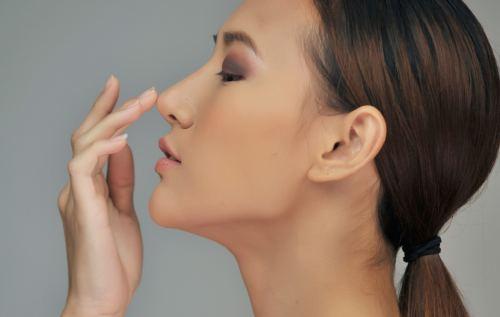
Rhinoplasty in Islamabad is a popular cosmetic and functional surgical procedure aimed at improving the appearance and functionality of the nose. Whether you are looking to enhance facial harmony, correct nasal deformities, or improve breathing, rhinoplasty can offer life-changing results. Understanding the procedure, preparation, recovery, and potential outcomes is essential for anyone considering this surgery.
What is Rhinoplasty?
Rhinoplasty, commonly referred to as a nose job, is a surgical procedure designed to reshape the nose. It can address various concerns, including nasal asymmetry, a hump on the bridge, a bulbous tip, or breathing difficulties caused by a deviated septum. The procedure involves modifying the bone, cartilage, and sometimes the soft tissue of the nose to achieve a balanced and natural appearance.
Rhinoplasty is not purely cosmetic; functional improvements are equally important. Surgeons ensure that the nasal airways remain open while enhancing aesthetic outcomes, making it a procedure that blends science and artistry.
Types of Rhinoplasty Procedures
Rhinoplasty can be categorized based on the surgical technique and purpose:
1. Open Rhinoplasty
Open rhinoplasty involves a small incision on the columella, the tissue between the nostrils. This technique provides surgeons with a clear view of the nasal structures, allowing for greater precision in complex cases. It is commonly used when major reshaping is required.
2. Closed Rhinoplasty
Closed rhinoplasty involves incisions inside the nostrils, leaving no visible scars. This method is often suitable for minor corrections and reshaping procedures. Recovery time is usually quicker compared to open rhinoplasty.
3. Functional Rhinoplasty
Functional rhinoplasty focuses on improving nasal breathing. Patients with a deviated septum, collapsed nasal valves, or other obstructive conditions can benefit from this procedure, which may be combined with cosmetic enhancements.
4. Revision Rhinoplasty
Revision or secondary rhinoplasty is performed on patients who have had previous nasal surgery but are dissatisfied with the outcome or experience complications. It is a more complex procedure requiring specialized expertise.
The Science Behind Rhinoplasty
Rhinoplasty is a delicate combination of art and science. Surgeons must have a deep understanding of nasal anatomy, skin thickness, cartilage structure, and facial proportions. Pre-surgical assessments often include photographs, measurements, and in some cases, 3D imaging to plan precise adjustments.
Biomechanics also plays a vital role. Cartilage and bone must be shaped and supported in a way that ensures long-term stability and prevents post-surgery deformities. Surgeons also consider the healing process, as tissues may shift during recovery. These factors highlight why expertise is crucial for achieving natural and lasting results.
Preparing for Rhinoplasty
Preparation is key to a successful rhinoplasty outcome. Here are essential steps to follow before surgery:
-
Consultation: Meet with a board-certified surgeon to discuss your goals, expectations, and medical history.
-
Medical Evaluation: Blood tests, imaging studies, and nasal examinations may be required to assess suitability for surgery.
-
Medication Adjustments: Certain medications and supplements may need to be paused to reduce bleeding risks.
-
Lifestyle Considerations: Avoid smoking and alcohol for several weeks before surgery, as they can interfere with healing.
Understanding the procedure and setting realistic expectations are crucial for patient satisfaction. Surgeons often use morphing software to give a preview of potential results, helping patients visualize outcomes before undergoing surgery.
The Rhinoplasty Procedure
Rhinoplasty typically lasts between 2 to 4 hours, depending on complexity. The procedure can be performed under general anesthesia or local anesthesia with sedation.
During the surgery:
-
Incisions are made either inside the nostrils (closed) or across the columella (open).
-
Cartilage and bone are reshaped to achieve the desired structure.
-
Grafts may be used to provide support or enhance nasal definition.
-
Functional corrections, such as septoplasty, may be performed to improve airflow.
Surgeons carefully monitor symmetry and proportion throughout the procedure, ensuring the final result complements the patient’s facial features.
Recovery and Healing
Recovery after rhinoplasty requires patience and adherence to post-operative care instructions. Common experiences include swelling, bruising, and mild discomfort, which typically resolve within 1 to 2 weeks.
-
First Week: Splints and bandages are used to protect the nose. Patients are advised to rest and avoid strenuous activity.
-
Two to Four Weeks: Swelling begins to reduce, and patients can resume light activities.
-
Three to Six Months: Significant healing occurs, though minor swelling may persist.
-
One Year: Final results are typically visible, with the nose achieving its natural shape and contour.
Following your surgeon’s instructions regarding sleep position, activity restrictions, and follow-up visits is essential for optimal results.
Risks and Considerations
Rhinoplasty is generally safe when performed by an experienced surgeon, but potential risks exist:
-
Infection
-
Bleeding
-
Swelling or bruising
-
Asymmetry or dissatisfaction with appearance
-
Difficulty breathing (rare)
Choosing a certified, experienced surgeon in Islamabad significantly reduces these risks. Pre-surgical consultations help identify individual risk factors and plan accordingly.
Choosing the Right Rhinoplasty Clinic in Islamabad
Selecting a reputable clinic is critical for a safe and successful procedure. Consider these factors:
-
Qualified Surgeons: Board certification and specialized training in rhinoplasty.
-
Advanced Facilities: State-of-the-art equipment and sterile surgical environments.
-
Patient Reviews: Testimonials and before-and-after photos.
-
Customized Care: Personalized treatment plans to address individual needs.
Islamabad offers several clinics with experienced surgeons, but patient satisfaction is highest where the clinic combines medical expertise, advanced technology, and personalized care.
FAQs About Rhinoplasty in Islamabad
Q1: How long does the surgery take?
A: Typically 2-4 hours depending on complexity.
Q2: Is rhinoplasty painful?
A: Mild discomfort is common and managed with prescribed medications.
Q3: When can I resume normal activities?
A: Light activities can usually resume after 1-2 weeks, while strenuous exercises should be avoided for 6-8 weeks.
Q4: Will there be visible scars?
A: Closed rhinoplasty leaves no visible scars, while open rhinoplasty incisions on the columella heal minimally.
Q5: Can rhinoplasty improve breathing?
A: Yes, functional procedures like septoplasty can correct breathing issues.
Q6: How long does it take to see final results?
A: The final shape is usually visible within 6-12 months after swelling subsides.
Q7: How much does rhinoplasty cost in Islamabad?
A: Costs vary based on the clinic, surgeon, and procedure complexity. A consultation provides an accurate estimate.
Q8: Are the results permanent?
A: Yes, rhinoplasty results are generally long-lasting, though minor changes may occur with aging.
Rhinoplasty in Islamabad is a procedure that combines medical precision with artistic vision to enhance both appearance and functionality. Choosing a skilled surgeon and reputable clinic ensures safe, natural-looking results that can improve self-confidence and quality of life. For those seeking professional and reliable care, SKN Cosmetics is a leading clinic offering advanced rhinoplasty procedures with expert surgeons and personalized treatment plans.
